1-888-201-7888 [email protected] 91 Columbia, Aliso Viejo, CA 92656 USA
Bulk USDA Organic Erythritol Raw Material
USDA Organic Certified · NOP Compliant

Bulk Organic Erythritol Supply & Technical Formulation Guide

Direct-from-mill container supply and US warehouse inventory of non-GMO Organic Erythritol (Granular 18-60 Mesh & Powder 100 Mesh). Engineered for zero-glycemic sugar reduction, keto product lines, and clean-label beverage innovation.

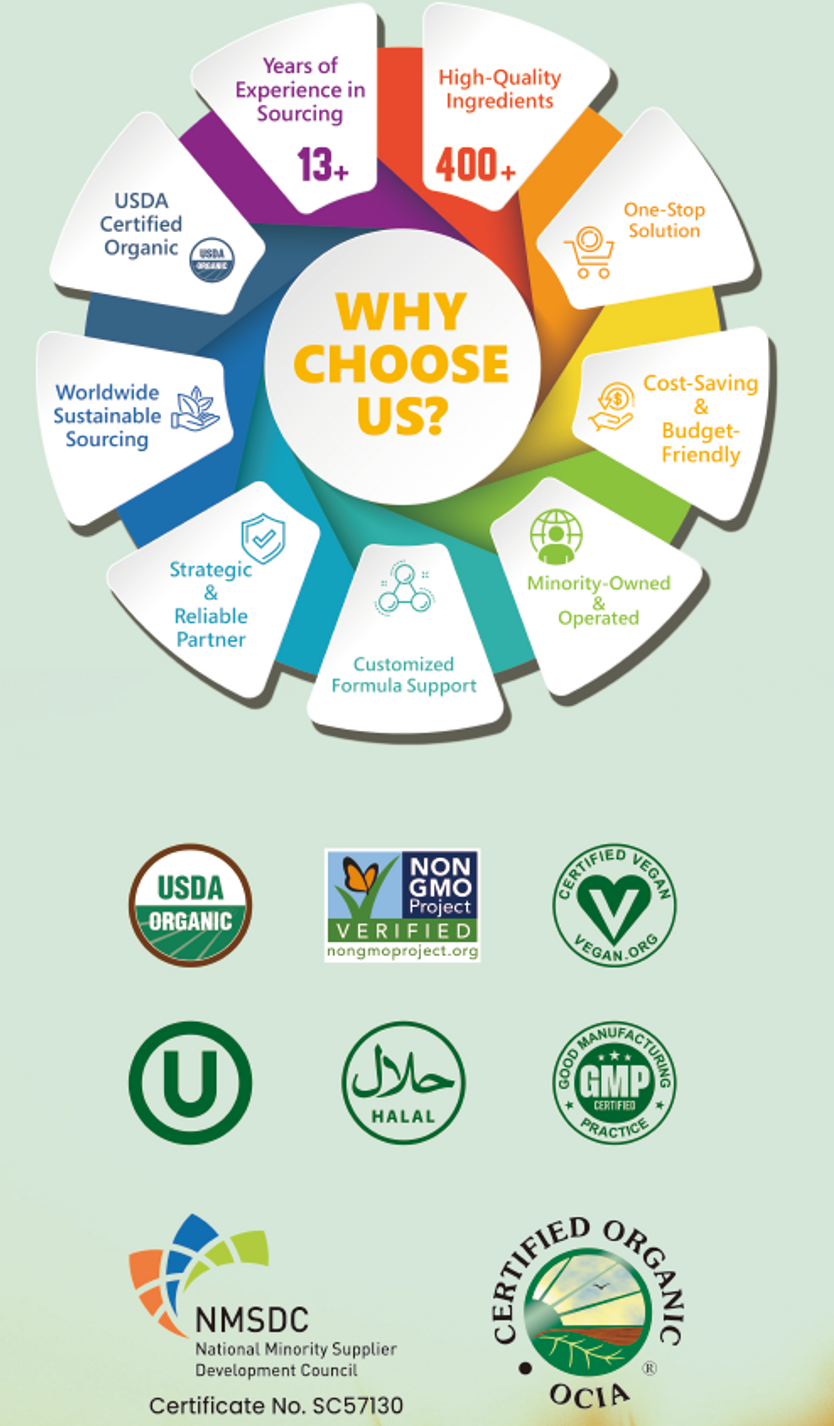
✔ USDA & EU Organic Certified (NOP Compliant) ✔ 100 Mesh Powder & 18-60 Mesh Granular Grades ✔ US Warehouse Stock (Aliso Viejo, CA) & FCL Direct Shipping ✔ Non-GMO, Kosher, Halal & ISO22000 Certified
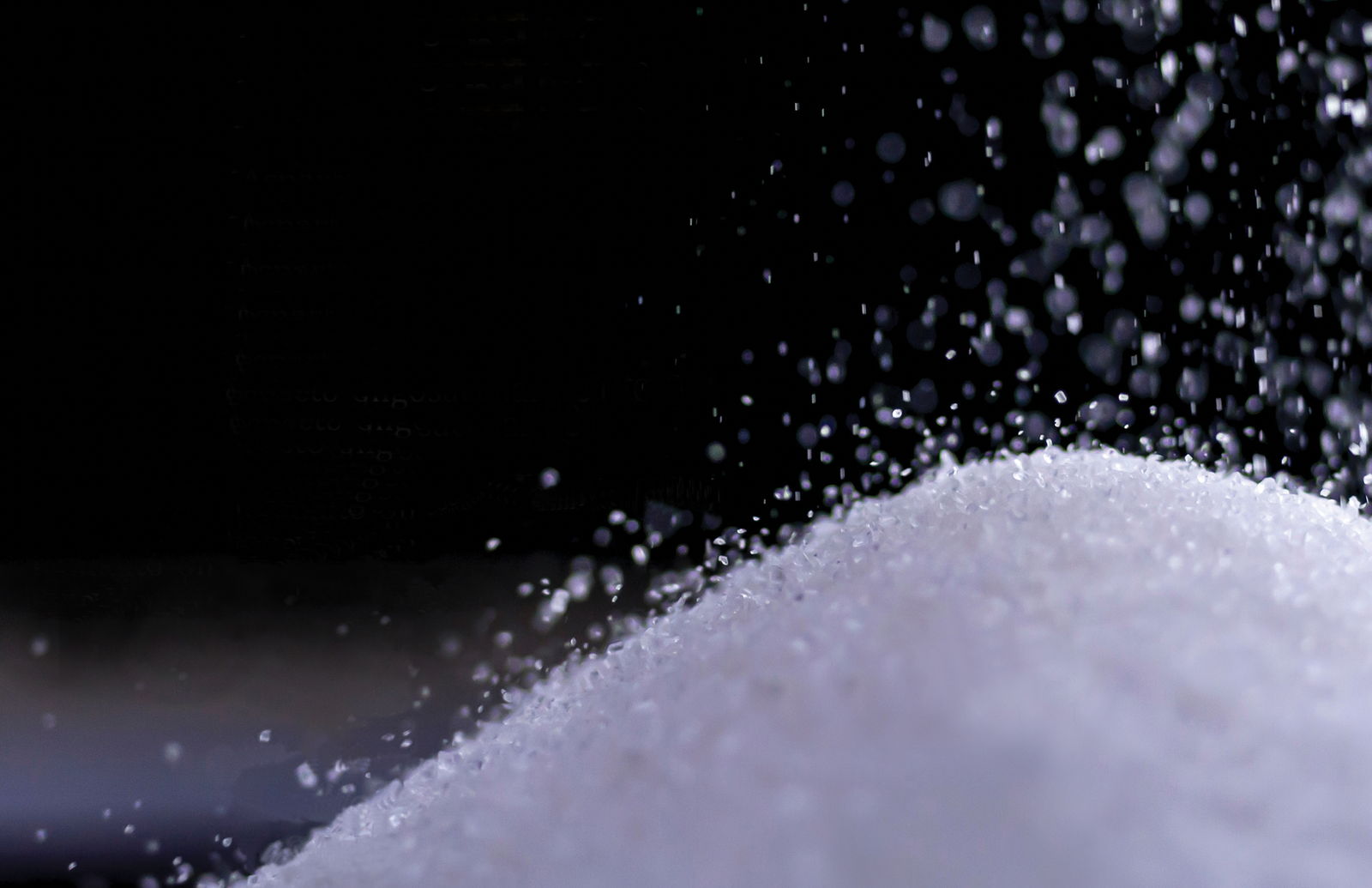
Organic Erythritol raw powder bulk container Nutraceutical sweetener manufacturing quality control
Expert Sourcing & Formulation

Navigating Bulk Organic Erythritol Procurement with Technical Precision

As global consumer demand accelerates toward zero-sugar, keto-friendly, and clean-label nutrition, Organic Erythritol has solidified its position as the cornerstone bulk sweetener for modern food science. However, enterprise procurement teams and R&D formulators face complex commercial challenges—from mesh size selection and crystallization control to navigating anti-dumping trade policies, tariff fluctuations, and stringent organic audit integrity.

At Sunland Nutrition Inc, we bridge the gap between heavy bio-fermentation manufacturing and North American / European food brands. Operating from our central facility in Aliso Viejo, California, since 2012, we provide fully documented, USDA Organic certified Erythritol engineered specifically for seamless tableting, baking, confection, and liquid beverage manufacturing.

  • Traceable Bio-Fermentation Substrate: Derived exclusively from non-GMO organic maize or tapioca hydrolysates utilizing natural osmophilic yeast strains (Moniliella pollinis or Trichosporonoides megachiliensis).
  • Exhaustive Quality Assurance Dossier: Every lot ships with a batch-specific Certificate of Analysis (COA), HPLC purity assay (>99.5%), heavy metal ICP-MS screening, residual solvent verification, and NOP certificate.
  • Resilient Supply Chain Architecture: Dual-source manufacturing programs coupled with spot-stock inventory in US warehouses eliminate lead-time volatility and stock-out risks for high-velocity SKUs.
  • Sensory & Rheological Consultation: Our technical team assists formulators in optimizing dissolution kinetics, mitigating endothermic cooling, and pairing Erythritol with rare sugars or high-intensity botanicals.
Get Catalog
13+Years Supplying Organic Polyols
>99.5%HPLC Purity Standard
100%USDA NOP & EU Certified
1–3 DaysUS Warehouse Dispatch
Commercial Grades & System Solutions

Recommended Organic Erythritol Formats for Industrial Scale

Select the precise particle size distribution and co-crystallized sweetener matrix tailored to your specific processing equipment and end-product textural goals.

GRADE 01 / GRANULAR

Organic Erythritol Granular (18–60 Mesh)USDA Organic

Engineered with a controlled particle size range of 250 to 800 microns, our 18-60 mesh granular grade offers sucrose-like pourability, excellent free-flowing properties, and minimal dust during dry blending. It is the primary choice for tabletop sugar replacements, retail baking pouches, nutritional bars, and cereal coatings.

Key Parameter: Bulk Density ~0.85 g/cm³ | Moisture <0.20% | Fast flowability

Get Catalog
GRADE 02 / FINE POWDER

Organic Erythritol Powder (100 Mesh)USDA Organic

Ultrafine micronized powder ground to ~150 microns to achieve immediate solubility in moisture-restricted systems. Designed specifically to eliminate grittiness in clean-label chocolate compounding, cream fillings, icings, functional gummies, direct compression tableting, and dry beverage stick-packs.

Key Parameter: Rapid dissolution rate | Zero mouthfeel grittiness | High compressibility

Get Catalog
GRADE 03 / BLENDED SYSTEM

Organic Erythritol + Monk Fruit (Mogroside V) Blends

A co-crystallized or homogenous dry-blended matrix combining Organic Erythritol with USDA Organic Monk Fruit Extract (25% to 50% Mogroside V). Formulated at 1:1 or 2:1 sugar-sweetness equivalence to mask the endothermic cooling effect of pure polyols while providing a rounded, sugar-like temporal sweetness profile.

Key Parameter: Calorie-free | Synergistic sweetness curve | Zero bitter aftertaste

Get Catalog
GRADE 04 / HIGH-INTENSITY

Organic Erythritol + Stevia (Reb-M / Reb-A) Systems

Engineered for high-throughput beverage and dairy processing, this system pairs organic erythritol with Next-Gen Steviol Glycosides (Reb-M or high-purity Reb-A 99%). Erythritol acts as a functional bulking carrier, providing body and mouthfeel while stevia delivers concentrated sweetness without adding caloric density.

Key Parameter: High thermal stability | Soluble in cold liquid | Clean finish

Get Catalog
GRADE 05 / MICRONIZED

Organic Erythritol Super-Fine (200 Mesh)

Custom-milled particle size (<75 microns) optimized for ultra-smooth confectioneries, fondant production, and pharmaceutical tablet coatings requiring rapid uniform dissolution and maximum specific surface area.

Key Parameter: Ultra-high surface area | Immediate dispersion | Creamy texture

Get Catalog
GRADE 06 / PREBIOTIC COMBO

Organic Erythritol + Soluble Fiber Synergy

Custom co-processed bulking solution blending Organic Erythritol with Organic Fructo-Oligosaccharide (FOS) or Organic IMO. Designed for fiber-enriched keto nutrition bars and bakery goods where both structural moisture retention and prebiotic claims are required.

Key Parameter: Moisture binding | Prebiotic fiber enrichment | Browning contribution

Get Catalog

Technical Specification Matrix: Organic Erythritol (Industrial Comparison)

Review the physical, chemical, and microbiological standards guaranteed across Sunland Nutrition's Organic Erythritol commercial batches:

Technical Parameter Granular Grade (18–60 Mesh) Powder Grade (100 Mesh) Method / Standard
Chemical Assay (HPLC) ≥ 99.5% (Dry Basis) ≥ 99.5% (Dry Basis) USP / EP / FCC Standard
Appearance White Crystalline Granules White Fine Powder Visual Inspection
Melting Point Range 119.0°C – 123.0°C 119.0°C – 123.0°C Capillary Tube Method
Enthalpy of Solution -43.0 cal/g (Endothermic) -43.0 cal/g (Endothermic) Calorimetry Analysis
Loss on Drying (Moisture) ≤ 0.20% ≤ 0.20% 105°C for 3 Hours
Residue on Ignition (Ash) ≤ 0.10% ≤ 0.10% Gravimetric Analysis
Solubility in Water (25°C) ~37 g / 100 mL Rapid Dissolution (~37 g/100 mL) Gravimetric Verification
Heavy Metals (as Pb) ≤ 5 ppm total (Lead ≤0.5 ppm, Arsenic ≤0.3 ppm) ≤ 5 ppm total (Lead ≤0.5 ppm, Arsenic ≤0.3 ppm) ICP-MS Method
Total Plate Count ≤ 300 CFU/g ≤ 300 CFU/g USP <2021> / AOAC
Yeast & Mold ≤ 50 CFU/g ≤ 50 CFU/g USP <2021> / AOAC
Pathogens (E. coli, Salmonella) Negative / 25g Negative / 25g Microbiological Testing
Strategic Sourcing Insights

Global trade shifts, regulatory scrutiny, and agricultural substrate changes are redefining how enterprise buyers source bulk polyols.

1. Trade Dynamics & Anti-Dumping Policy Navigation

The global trade ecosystem for Erythritol has entered a period of unprecedented structural adjustment. European Union anti-dumping duties imposed on Chinese erythritol imports, alongside evolving US tariff policies under Section 301, have forced global procurement directors to re-evaluate single-origin purchasing strategies. Smart sourcing in 2026 and beyond demands working with tier-1 suppliers who possess dual-region processing capabilities and compliant customs classifications.

Sunland Nutrition actively manages trade compliance risks by offering multi-origin supply chains, transparent tariff structures, and long-term contract pricing models. This protects brand owners from unexpected margin compression caused by international trade litigation.

2. Substrate Traceability: Corn Starch vs. Cassava/Tapioca Shift

While traditional organic erythritol relies on USDA Organic non-GMO corn (maize) starch as its primary carbon substrate, high-growth brand segments—particularly grain-free, paleo, and corn-allergen-sensitive categories—are driving demand for Organic Tapioca/Cassava-derived Erythritol. Fermenting erythritol from organic tapioca hydrolysates eliminates corn residue risks and fulfills ultra-clean-label brand manifestos.

Our bio-fermentation facilities maintain strict segregation protocols, delivering certified Non-GMO Project Verified and organic grain-free options accompanied by DNA PCR test certificates.

Natural Organic Sweetener Fermentation and Quality Evaluation

3. Next-Gen Fermentation Efficiency & Carbon Neutrality

Biological fermentation accounts for the vast majority of energy expenditure in polyol refining. Modern bio-engineers are deploying high-yield, wild-type non-GMO osmophilic yeast strains that double glucose conversion rates while operating at ambient fermentation temperatures. This technological leap reduces steam energy consumption by up to 30% per metric ton of crystal produced.

As global retailers enforce Scope 3 carbon accounting on food brands, sourcing low-carbon, energy-efficient Organic Erythritol directly enhances corporate sustainability scores and ESG reporting metrics.

4. Regulatory Safety Transparency & Clinical Context

In light of occasional media sensationalism regarding cardiovascular health and dietary polyols, search intent from QA teams and brand regulatory leads has shifted toward rigorous safety dossiers. Authoritative clinical consensus from the US FDA (GRAS Notice GRN 000208) and the European Food Safety Authority (EFSA) reaffirms that Erythritol is safe, rapidly absorbed in the small intestine, excreted unchanged, and does not alter systemic plasma glucose or insulin secretion.

Sunland Nutrition furnishes enterprise clients with comprehensive scientific white papers and toxicological data packages ready for direct submission to internal risk assessment boards.

Food Science & R&D Integration

Product Development Trends: Mastering Erythritol Mechanics

Overcoming technical processing hurdles to deliver high-performing zero-sugar food and beverage applications.

Thermodynamic Cooling Effect Mitigation

The Challenge: Erythritol exhibits a negative heat of solution (-43 cal/g), producing a distinct sensation of physical coldness on the palate upon dissolution in liquid or saliva.

The R&D Solution: Combine Organic Erythritol with zero-cooling bulking agents such as Organic Allulose (+5 cal/g endothermic balance), prebiotic soluble fibers (FOS/IMO), or lipid-heavy matrices (cocoa butter in chocolates). This balances thermodynamic energy during mastication, replicating the clean thermal perception of sucrose.

Crystallization Control in Bakery & Confectionery

The Challenge: Erythritol has low water solubility (~37g/100mL at 25°C) and crystallizes rapidly as moisture evaporates, leading to gritty textures in soft cookies, fudges, and syrups.

The R&D Solution: Utilize 100-mesh micronized powder in combination with hydrocolloids (xanthan gum, acacia fiber) or co-fermented allulose. The addition of secondary polyols or rare sugars disrupts erythritol's lattice structure, preventing recrystallization and maintaining smooth texture over shelf life.

Maillard Browning Engineering

The Challenge: As a sugar alcohol lacking a reactive carbonyl group, Organic Erythritol is non-reducing—it does not undergo Maillard browning or caramelization under oven thermal stress.

The R&D Solution: Introduce minor inclusion rates (0.5% – 2.0%) of organic reducing sugars (such as Organic D-Xylose or Organic Dextrose) or protein-rich plant proteins (pea/rice protein) into dough matrixes to produce golden-brown crust color and authentic roasted aroma compounds.

Keto & Diabetic Net-Carb Formulations

The Challenge: Clear consumer messaging on pack regarding Total Carbohydrates vs. Net Impact Carbohydrates without violating FTC or FDA advertising guidelines.

The R&D Solution: Because erythritol is excreted unchanged and contributes 0 net calories/carbs to systemic metabolism, US labeling rules allow complete subtraction of erythritol grams from total carbohydrates. Sunland Nutrition provides official regulatory calculation sheets for packaging compliance.

High-Intensity Sweetener Synergy

The Challenge: Single-sweetener formulations using high-potency stevia or monk fruit often suffer from lingering bitterness, licorice off-notes, or delayed sweetness onset.

The R&D Solution: Formulate with Organic Erythritol as a structural carrier (98%–99% by weight) spiked with Mogroside V or Reb-M. Erythritol fills the upfront sensory void, while the high-intensity sweetener extends sweet intensity, achieving a 1:1 sucrose profile.

Freezing Point Depression in Frozen Desserts

The Challenge: Achieving spoonable soft-serve or hard-pack keto ice cream without sucrose bulking volume.

The R&D Solution: Erythritol has a low molecular weight (122.12 g/mol), depressing the freezing point of water by roughly 1.8 times more than sucrose. Formulators adjust inclusion rates alongside vegetable glycerin and stabilizer gums to prevent rock-hard freezing in low-sugar ice creams.

Complete Sugar Reduction Portfolio

Integrate Organic Erythritol into Custom Sweetener Systems

Formulating commercially successful reduced-sugar products requires more than dropping in a single replacement ingredient. Sunland Nutrition specializes in co-processed and dry-blended sweetener matrices that unite bulk polyols, rare sugars, prebiotic fibers, and intense natural sweeteners.

Explore our certified organic and conventional inventory held in California warehouse facilities for rapid testing and production scale-up.

Get Catalog

Certified Organic Sweetener Range

  • Organic Erythritol (18-60 / 100 Mesh)
  • Organic Allulose (Powder / Liquid)
  • Organic Monk Fruit Extract 25%–50% V
  • Organic Stevia Reb-A 60%–99%
  • Organic Steviol Glycosides Reb-M
  • Organic Fructo-Oligosaccharide (FOS)
  • Organic Isomalto-Oligosaccharide (IMO)
  • Organic D-Xylose & Maltodextrin

Conventional Complementary Grades

  • Non-GMO Erythritol Granular & Powder
  • Pure Sucralose Powder
  • Xylitol / Xylitol Direct Compression (DC)
  • Polydextrose & Resistant Dextrin
  • Dextrose Monohydrate & Trehalose
Why Partner With Us

The Sunland Advantage: Trusted US Sourcing Partner Since 2012

We provide the technical expertise, QA documentation, and inventory security that enterprise food and supplement brands require.

01 / AUDITED QUALITY

Rigorous Mill Qualification & Testing

We do not broker unverified commodities. Every manufacturing mill in our supply chain undergoes mandatory on-site audits, process control evaluations, and third-party facility certifications (FSSC22000, ISO22000, BRCGS). Every lot is independently verified for HPLC purity, heavy metals, and micro-biology before releasing to clients.

02 / QA DOCUMENTATION

Turnkey Regulatory Dossiers

Eliminate qualification bottlenecks with immediate access to lot-specific Certificates of Analysis (COA), USDA Organic certificates, Technical Data Sheets (TDS), Allergen Statements, Non-GMO declarations, Kosher, and Halal documentation ready for your internal quality team.

03 / US WAREHOUSING

Domestic Stocking & Rapid Dispatch

Maintained inventories at our Southern California warehousing hub (Aliso Viejo) allow us to fulfill spot orders within 1 to 3 business days. Avoid international freight delays and cushion your production schedules against global port congestion.

04 / FORMULATION SUPPORT

In-House R&D Application Guidance

Our food science specialists assist you in selecting mesh sizes, solving crystallization issues, balancing thermal cooling effects, and creating custom pre-blended sweetener formulations engineered to lower your overall unit cost.

05 / DIRECT-FROM-MILL

Scalable FCL Container Programs

For high-volume manufacturers, our direct-from-mill container shipment programs deliver factory-direct pricing with contract inventory reservation, guaranteed vessel bookings, and customized pallet packaging options.

06 / FREE SAMPLING

Rapid Lab-Scale Sample Kits

Accelerate your bench work. We ship complimentary lab-scale sample quantities paired with matching analytical documentation to qualified formulators and product development teams within 48 hours.

Compliance Standards

Certified Organic Quality & Global Compliance

Complete peace of mind for quality assurance directors and regulatory managers.

Sunland Nutrition USDA Organic Certificate Verification
USDA Organic Certified
Quality System Management ISO Verification Badge
Quality Management System
Nutraceutical Industry Association Membership
Industry Association Member
SFA Event Participation Badge
SFA Trade Partner
Kosher Certified
Halal Certified
Non-GMO Project
Gluten-Free
Full Dossier Available
Procurement & Technical FAQ

Frequently Asked Questions by Global Buyers & Formulators

Empirical answers to common search intents, AI prompt queries, and industrial specification challenges regarding Organic Erythritol.

The primary distinction lies in particle size distribution and physical rheology. 18-60 mesh Granular Organic Erythritol features larger crystal sizes ranging between 250 µm and 800 µm. This crystalline structure flows freely, resists clumping, and closely resembles table sugar, making it ideal for retail sugar-substitute pouches, dry bakery premixes, and bar toppings. 100 mesh Powdered Organic Erythritol consists of micronized particles reduced to ~150 µm or finer. Powdered erythritol dissolves almost instantaneously in moisture-limited fats or liquids, making it essential for grittiness-free applications such as chocolate manufacturing, cream fillings, icings, functional gummies, and tableting.

Our Organic Erythritol is manufactured via natural microbial fermentation utilizing non-GMO substrate stocks (certified organic maize or tapioca hydrolysates). The entire fermentation, separation, and crystallization pipeline is certified compliant under the USDA National Organic Program (NOP) and EU Organic Regulation (EU) 2018/848. Every batch undergoes real-time Polymerase Chain Reaction (PCR) testing to confirm the complete absence of genetically modified DNA sequences, alongside pesticide residue testing and full heavy metal screening via ICP-MS.

Erythritol possesses a high negative enthalpy of solution (-43 cal/g), which absorbs thermal energy from the mouth during dissolution, creating an endothermic cooling effect. In mint-flavored products or hard candies, this effect is desirable. However, for chocolate, bakery, or warm-flavored applications, formulators can counteract the cooling sensation by co-formulating Erythritol with Organic Allulose (which has a slightly positive heat of solution), prebiotic fibers like FOS or IMO, or high-potency natural sweeteners such as Organic Monk Fruit Extract or Stevia Reb-M.

For orders fulfilled from our California warehouse inventory, the standard minimum order quantity is one full pallet (typically 30 to 40 multi-wall paper bags of 25 kg each, totaling 750 kg – 1,000 kg net weight). Warehouse orders dispatch within 1 to 3 business days. For direct-from-mill Full Container Load (FCL) orders, the MOQ is one 20-foot container (approx. 18 to 20 Metric Tons), with typical ocean transit and clearing lead times running between 4 and 6 weeks.

Erythritol has a Glycemic Index (GI) of 0 and an Insulin Index of 2. Approximately 90% of consumed erythritol is rapidly absorbed in the small intestine and excreted completely unchanged in the urine within 24 hours, without being metabolized into glucose. As a result, the US FDA permits a caloric value declaration of 0 kcal/g (or max 0.2 kcal/g in certain European jurisdictions). On US nutritional panels, the grams of erythritol can be fully subtracted from Total Carbohydrates to yield 0 Net Carbohydrates, making it suitable for keto and diabetic certifications.

No. Erythritol is a four-carbon sugar alcohol (polyol) without a free aldehyde or ketone group, rendering it a non-reducing compound. Consequently, it will not undergo caramelization or react with amino acids to produce Maillard browning under normal oven temperatures. If browning is desired in baked goods, formulators typically blend Erythritol with small inclusions of reducing sugars such as Organic D-Xylose, Organic Allulose, or regular organic dextrose.

Every commercial delivery includes a comprehensive documentation pack consisting of: (1) Batch-specific Certificate of Analysis (COA) detailing HPLC assay, physical parameters, and microbiological counts, (2) USDA Organic / NOP Certificate, (3) Technical Specification Sheet (TDS), (4) Material Safety Data Sheet (MSDS), (5) Non-GMO Statement, (6) Allergen Exemption Declaration, and (7) Kosher and Halal Certificates. Heavy metal, residual solvent, and pesticide data sheets are also provided upon request.

Yes. Beyond our standard 18-60 mesh granular and 100 mesh powder formats, Sunland Nutrition offers custom contract milling (down to 200 mesh) as well as homogeneous dry-blending and co-crystallization services. We regularly supply pre-formulated blends of Organic Erythritol with Monk Fruit, Stevia Reb-M, or prebiotic fibers tailored to your exact target sweetness ratio and container size requirements.

Elevate Your Sugar Reduction Formulations Today

Request bulk pricing, custom mesh specifications, or complimentary bench-trial sample kits from our US technical sourcing specialists.

Get Catalog Contact Sourcing Team