
1-888-201-7888 [email protected] 91 Columbia, Aliso Viejo, CA 92656 USA
Bulk Fructo-Oligosaccharide FOS raw materials supplied by Sunland Nutrition
Bulk Prebiotic Fiber Specialist · Aliso Viejo, California

Bulk Fructo-Oligosaccharide (FOS) Raw Material Technical & Sourcing Guide

High-purity prebiotic dietary fiber (sc-FOS & chicory FOS) available in powder (55%-95%) and liquid syrup formats. Fully documented, USDA Organic & conventional options ready for scale.

Inquire Now
✔ Batch-Specific HPLC Certificates of Analysis ✔ US Warehouse Inventory (CA & Regional Hubs) ✔ USDA Organic · Kosher · Halal · Non-GMO Verified ✔ Complete Technical & Regulatory Formulation Dossiers
High purity Fructo-Oligosaccharide FOS powder packaging Bulk shipment of dietary fiber raw materials ready for delivery
Technical Insight & Scientific Dossier

Understanding Fructo-Oligosaccharide (FOS): Structure, Synthesis & Functionality

Fructo-Oligosaccharide (FOS), also designated as oligofructose or oligofructan, is a non-digestible oligosaccharide composed of linear chains of fructose units linked by β-(1→2) glycosidic bonds, typically terminated by a single α-D-glucose moiety. As global procurement managers and formulation chemists seek high-performance prebiotic dietary fibers, understanding the molecular architecture and manufacturing pathways of FOS is critical to optimizing final product efficacy and cost-efficiency.

Commercial FOS raw materials are primarily manufactured through two distinct production pathways: enzymatic synthesis from sucrose (yielding short-chain FOS, or sc-FOS) and controlled enzymatic partial hydrolysis of native inulin extracted from chicory root (Cichorium intybus).

  • Enzymatic Transfructosylation (sc-FOS): Produced by subjecting high-concentration cane or beet sucrose to fungal fructosyltransferase enzymes (derived from Aspergillus niger or Aureobasidium pullulans). This reaction yields precise short-chain oligomers with a Degree of Polymerization (DP) ranging from 2 to 4, specifically 1-kestose (GF2), nystose (GF3), and 1F-fructofuranosylnystose (GF4).
  • Chicory Inulin Hydrolysis: Endoinulinase enzymes cleave long-chain chicory inulin (DP 2-60) into medium-chain oligosaccharides with a DP distribution of 2 to 10, incorporating both fructose-only chains (Fn) and glucose-terminated chains (GFn).
  • Physiological Prebiotic Efficacy: Because the human upper gastrointestinal tract lacks β-fructofuranosidase enzymes, FOS passes through the stomach and small intestine unhydrolyzed. Upon entering the colon, FOS undergoes selective anaerobic fermentation by beneficial commensal bacteria—specifically Bifidobacterium species and Lactobacillus—generating Short-Chain Fatty Acids (SCFAs) such as acetate, propionate, and butyrate.
  • Caloric Density & Glycemic Neutrality: Delivering a caloric value of approximately 1.5 to 2.0 kcal/g and possessing a Glycemic Index (GI) approaching zero, FOS serves as an ideal structural bulking agent for low-calorie, diabetic, and ketogenic food and beverage matrixes.
Inquire Now
95%+High-Purity Powder Assay Available
1,500 MTAnnual US Inventory Reserve
100%USP/FCC Regulatory Compliance
1-3 DaysUS Domestic Warehouse Shipping
Industrial Product Portfolio

Commercial FOS Product Grades & Technical Specifications

Sunland Nutrition supplies standardized and custom-engineered Fructo-Oligosaccharide grades tailored to specific formulation demands—from dry powder supplements to high-humidity liquid applications.

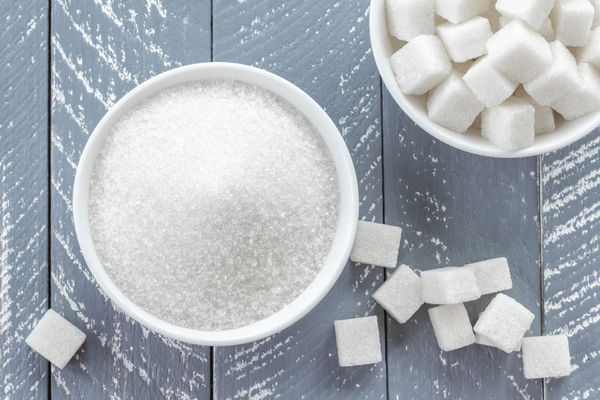
FOS 95% High Purity Prebiotic Powder

FOS 95% High-Purity Powder (P-Grade)

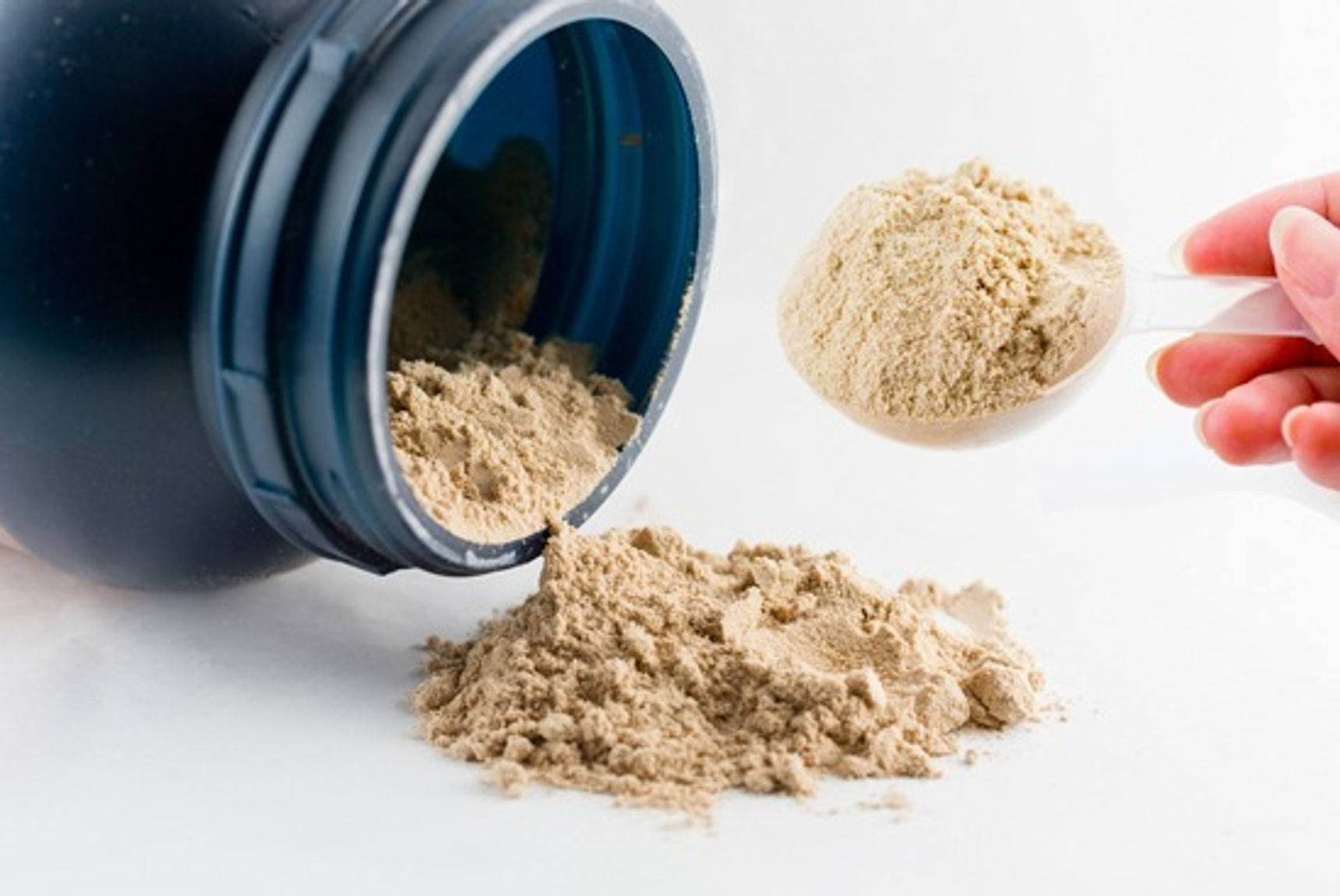
Desalinated and purified spray-dried powder containing ≥ 95% oligofructose on a dry-matter basis. Low residual mono- and disaccharides (glucose, fructose, sucrose < 5%). Ideal for clinical nutrition, capsules, direct compression tablets, and premium synbiotic stickpacks.

Inquire Now
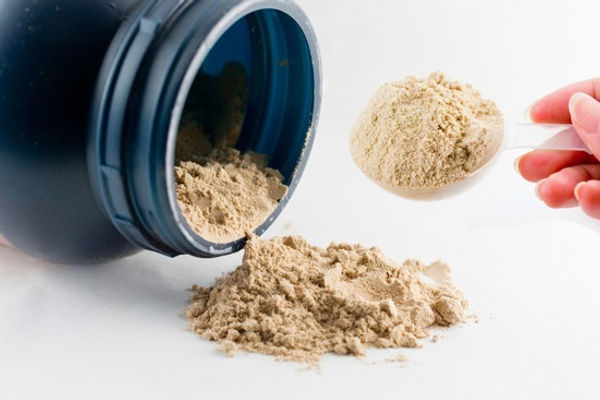
FOS 55% Standard Prebiotic Fiber Powder

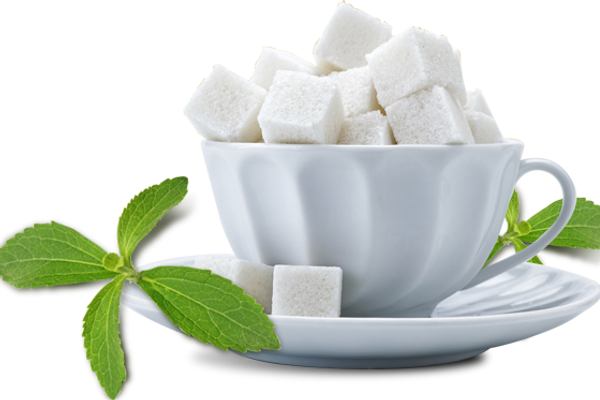
FOS 55% Standard Powder (P-Grade)

Cost-effective dietary fiber powder with ≥ 55% FOS purity, retaining approximately 30-35% relative sweetness to sucrose. Provides dual-action functionality as both a prebiotic fiber enhancer and a mild structural sweetener for bakery, cereal bars, and nutritional powders.

Inquire Now
FOS 55% Liquid Syrup format

FOS 55% Liquid Syrup (L-Grade)

Clear, highly stable aqueous syrup (74-76° Brix) containing ≥ 55% FOS on dry solids. Offers high water solubility, humectancy, and moisture retention for confectionery gummies, RTD beverages, dairy products, and syrup matrices.

Inquire Now
USDA Organic Certified FOS Powder

USDA Organic FOS (Powder & Syrup)

Certified NOP organic fructo-oligosaccharides derived from organic non-GMO cane sugar or organic chicory root. Fully compliant with USDA and EU organic regulations, supported by complete transaction documentation for clean-label brands.

Inquire Now
Product Grade FOS Purity (Dry Basis) Physical Form Degree of Polymerization (DP) Sweetness vs. Sucrose Primary Industrial Applications
FOS 95% Powder ≥ 95.0% White Fine Powder (80-100 Mesh) sc-FOS (DP 2–4) or Chicory (DP 2–8) ~ 10% – 15% Dietary Supplements, Synbiotic Capsules, Infant Formula, Clinical Nutrition
FOS 90% Powder ≥ 90.0% White Crystalline Powder DP 2–7 ~ 15% – 20% Tablets, Functional Powders, Meal Replacements, Protein Blends
FOS 55% Powder ≥ 55.0% Off-White / White Powder DP 2–5 ~ 30% – 35% Bakery Products, Snack Bars, Extruded Cereals, Dairy Premixes
FOS 55% Syrup ≥ 55.0% (Solids) Viscous Clear Liquid (75° Brix) DP 2–6 ~ 30% – 35% Functional Gummies, Syrups, RTD Beverages, Plant-Based Milk Alternatives
Organic FOS 95% ≥ 95.0% Certified Organic White Powder DP 2–5 ~ 10% – 15% USDA Organic Certified Clean-Label Supplements & Functional Foods

Inquire Now

Formulation Engineering

Critical Formulation Guidance & Processing Kinetics for FOS

Integrating Fructo-Oligosaccharides into complex food, beverage, and nutraceutical matrices requires precise understanding of thermodynamic stability, acid hydrolysis, and synergistic flavor interactions.

01 / THERMAL STABILITY

Thermal Processing & High-Heat Tolerance

FOS exhibits high thermal stability within neutral and moderately acidic pH ranges (pH 4.5 – 7.0). Standard pasteurization (72°C for 15s), HTST, UHT sterilizations (135–140°C), and extrusion processing do not cause significant hydrolysis of the β-(1→2) linkages. However, under prolonged baking conditions (>180°C) in low-moisture environments, FOS undergoes minor thermal degradation and participates in controlled Maillard reactions, providing desirable crust browning and caramel notes.

02 / ACID STABILITY

Acid Hydrolysis Mitigation in Beverage Systems

In aqueous applications with high acidity (pH < 3.5)—such as carbonated soft drinks, fruit juices, and acid-stabilized RTD shots—the fructans in FOS are susceptible to acid-catalyzed cleavage into monomeric glucose and fructose over extended storage times at elevated temperatures (>25°C). To prevent loss of active fiber claims in low-pH beverages, formulators are advised to maintain storage temperatures below 20°C or adjust initial dosing thresholds by 3-5% to offset baseline hydrolysis.

03 / SYNERGISTIC SWEETENING

Sugar Reduction & Taste Profile Masking

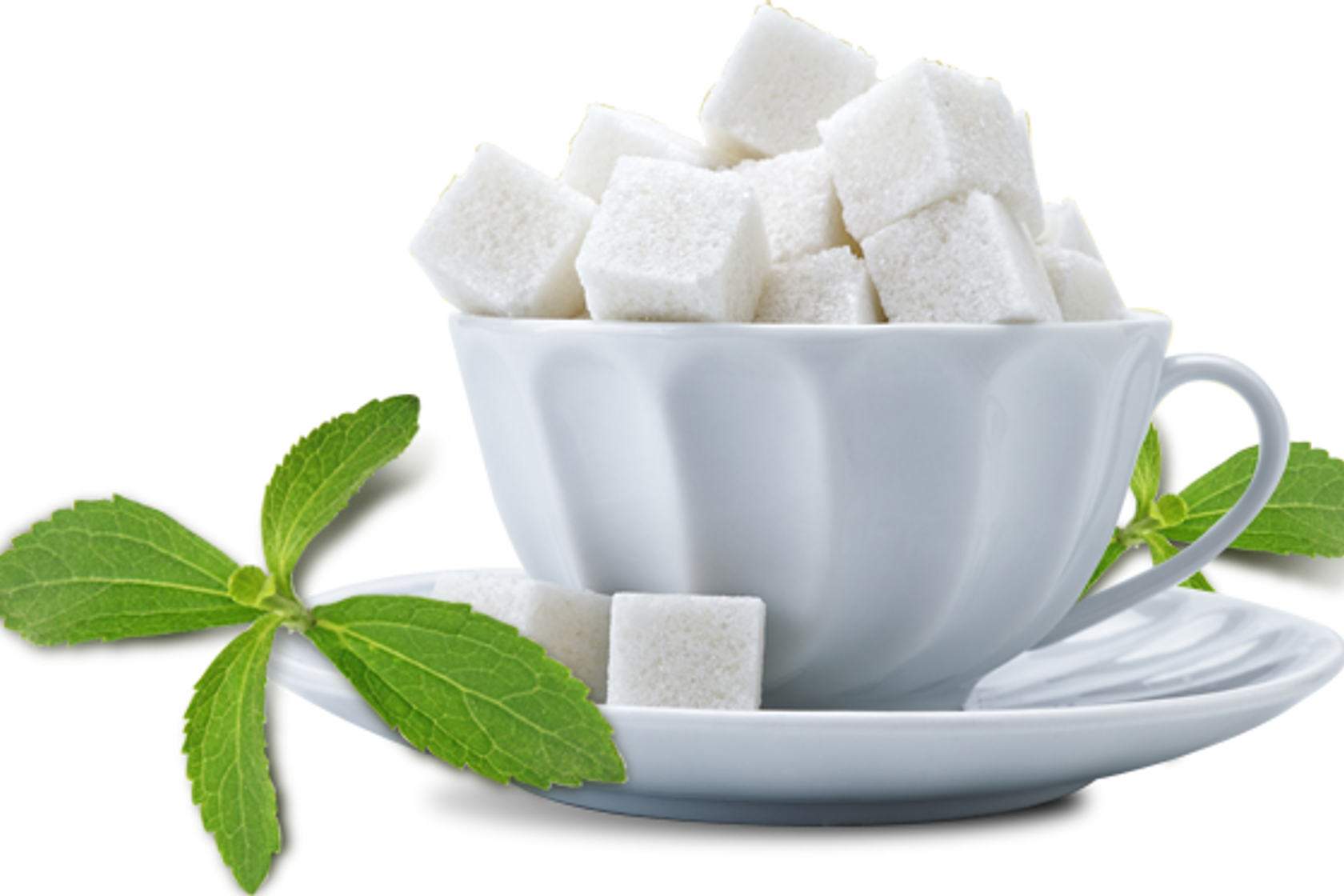
While FOS 95% contributes minimal sweetness (~10% of sucrose), its molecular structure provides exceptional body, mouthfeel, and bulking that mimics sucrose. When combined with high-intensity natural sweeteners like Stevia Reb-A/Reb-M or Monk Fruit (Mogroside V), FOS effectively rounds out the sweetness onset curve, attenuates lingering bitter aftertastes, and masks metallic notes in zero-sugar and reduced-sugar formulations.

04 / MOISTURE CONTROL

Hygroscopicity & Humectancy Dynamics

FOS powder is highly water-soluble (up to 80% w/v at 25°C) and moderately hygroscopic. In dry powder blends (such as sports nutrition premixes or stickpacks), exposure to relative humidity >60% can lead to moisture absorption and caking. Sunland Nutrition provides specialized low-hygroscopicity grades and recommends barrier packaging (such as aluminum foil laminates) with desiccant systems to ensure long-term shelf stability.

05 / GUMMY MATRIXING

Fiber Enrichment in Pectin & Gelatin Gummies

FOS 55% Liquid Syrup is widely utilized as a direct replacement for corn syrup and glucose syrup in functional confectionery gummies. It maintains target solid Brix levels without interfering with pectin or gelatin gel-network crosslinking. Furthermore, FOS reduces water activity (aw), preventing moisture migration and sugar crystallization over extended shelf life.

06 / DOSAGE TOLERANCE

Gastrointestinal Tolerance & Dosage Guidelines

Clinical studies demonstrate that short-chain FOS is exceptionally well tolerated by the human digestive system compared to higher molecular weight polysaccharides or sugar alcohols. Daily consumption up to 10–15g per day is typically tolerated without GI discomfort. In single-serving consumer products, a dosage of 2.5g to 5.0g per serving provides optimal prebiotic efficacy while qualifying for "Good Source" or "Excellent Source" of dietary fiber claims.

Strategic Sourcing Insights

The global Fructo-Oligosaccharide market is experiencing unprecedented demand driven by the convergence of sugar reduction mandates, preventive gut health awareness, and clean-label dietary fiber expansion. Procurement officers and supply chain executives must navigate key macro-economic and industrial dynamics:

  • Dual-Feedstock Diversification: Climate volatility affecting chicory root harvests in Western Europe has elevated the strategic importance of sucrose-derived enzymatic sc-FOS. Buyers are increasingly auditing dual-sourced portfolios to hedge against agricultural crop failures.
  • Decarbonization & ESG Compliance: Major global CPG brands now require scope 3 carbon footprint verification and non-GMO agricultural tracing from ingredient manufacturers.
  • US Warehouse Safety Stocks: To mitigate port congestion and international shipping delays, tier-one manufacturers are shifting from spot-market ocean freight ordering to long-term blanket purchase contracts with US-based safety stock holdings.
Inquire Now

FOS Industry Macro Benchmark Data

Global CAGR Growth (2025-2032)

Projected at 6.8% CAGR, led by North America and Asia-Pacific demand in dietary supplements and plant-based dairy alternatives.

Primary Market Drivers

FDA dietary fiber mandatory labeling, rising incidence of metabolic syndrome, and acceleration of synbiotic (prebiotic + probiotic) supplement innovation.

Sunland Procurement Advantage

We maintain multi-ton inventory buffer stock at our California warehouses, guaranteeing stable contracted pricing and immediate 24-48 hour dispatch capability for North American formulators.

Innovation Horizon

How progressive brand owners and R&D teams are leveraging FOS to engineer next-generation functional foods and supplements.

Synbiotics 2.0: Spore-Formers + FOS

Formulators are pairing FOS with heat-stable spore-forming probiotics (such as Bacillus coagulans and Bacillus subtilis) to create resilient synbiotic matrices capable of surviving baking processes, extrusion, and ambient shelf storage without refrigeration.

Sugar-Free Functional Confectionery

With consumer pushback against sugar alcohols (such as erythritol and maltitol due to digestive cooling effects or GI distress), high-purity FOS 95% combined with rare sugars (Allulose) has emerged as the premier sugar-free bulking system for premium chocolate and gummies.

Infant & Pediatric Nutrition Enrichment

Mimicking the structural diversity of Human Milk Oligosaccharides (HMOs), sc-FOS combined with Galacto-Oligosaccharides (GOS) in a 1:9 ratio is becoming the global standard for infant formulas and toddler nutrition to support early mucosal immunity and gut flora colonization.

Plant-Based Dairy & Beverage Texture Modulation

In oat milk, almond beverages, and plant-based yogurts, FOS provides natural solids and mouthfeel enhancement while counteracting grassy or astringent off-notes from plant proteins—delivering a creamy, dairy-like sensory profile.

Metabolic Health & Weight Management

Modern clinical research highlights FOS's role in stimulating endogenous GLP-1 (glucagon-like peptide-1) secretion via SCFA production in the distal colon, positioning FOS as a core ingredient in companion nutrition for weight-management formulations.

Clean-Label Pet Food & Animal Nutrition

Pet food manufacturers are increasingly replacing synthetic binders with feed-grade FOS to promote microbiome balance, improve nutrient absorption, and reduce fecal odor in premium canine and feline formulations.

Why Partner With Us

Sunland Nutrition: Your Trusted Enterprise FOS Supply Partner

Since 2012, Sunland Nutrition Inc (Aliso Viejo, California) has established itself as an authoritative supplier of high-specification functional ingredients for leading global brands.

Our operational model bridges international manufacturing excellence with rigorous US quality assurance standards, offering complete transparency across every kilogram supplied.

  • Full Regulatory & Testing Dossiers: Every production batch is validated via HPLC testing for exact DP distribution, heavy metals (ICP-MS), pesticide residues, microbial limits, and residual solvents.
  • US Stocking & Logistics Hubs: Warehousing locations in California and strategic nationwide nodes enable 1–3 business day domestic dispatch, eliminating supply disruption risks.
  • Custom Particle & Mesh Engineering: We supply customized particle mesh distributions—from fine 100-mesh powder for quick liquid dissolution to non-dusting granular formats engineered for high-speed tableting.
  • Uncompromising Compliance: Facilities maintain ISO 22000, FSSC 22000, cGMP, USDA Organic, Kosher, and Halal certifications.
Inquire Now
Sunland Nutrition warehouse distribution center Sunland Nutrition team at global ingredient industry tradeshow
Quality Infrastructure

Certified Excellence & Analytical Transparency

Our FOS supply chain is backed by world-class testing protocols and international regulatory compliance accreditation.

Sunland Nutrition USDA organic certification seal
USDA Organic Certified
Quality Management System ISO C&C
cGMP & ISO Quality System
Industry Association Membership
AHPA / Industry Member
Specialty Food Association Participation
SFA Member
Kosher Certified
Halal Certified
Non-GMO Verified
Gluten-Free
Audit Dossiers Available
Procurement & Technical FAQ

Frequently Asked Questions by Global Buyers & Formulators

Addressing key technical, regulatory, and logistics queries for Fructo-Oligosaccharide sourcing.

Enzymatic sucrose-derived FOS (often called short-chain FOS, or sc-FOS) is synthesized by subjecting refined cane or beet sucrose to fungal fructosyltransferase enzymes. This results in tightly controlled short-chain fructan oligomers with a Degree of Polymerization (DP) of 2 to 4—specifically 1-kestose (GF2), nystose (GF3), and 1F-fructofuranosylnystose (GF4), all terminated by a glucose molecule.

In contrast, chicory root-derived FOS is produced through the enzymatic partial hydrolysis of extracted native inulin. This yields a broader distribution of oligomers with a DP ranging from 2 to 10, comprising both glucose-terminated (GFn) and fructose-only (Fn) chains. sc-FOS provides rapid, targeted Bifidobacteria fermentation kinetics in the proximal colon, whereas chicory-derived FOS exhibits a more extended fermentation profile throughout the mid-to-distal colon.

FOS demonstrates excellent chemical stability across neutral to moderately acidic conditions (pH 4.5 to 7.0) and can withstand standard thermal pasteurization (HTST, UHT) and high-temperature extrusion without significant glycosidic bond cleavage.

However, under highly acidic conditions (pH < 3.5), such as in shelf-stable carbonated soft drinks or fruit juices, high storage temperatures over extended periods can catalyze acid hydrolysis of the β-(1→2) fructans into free fructose and glucose monomers. Formulators targeting low-pH shelf-stable RTD drinks should over-dose by 3–5% or consult with our technical team to select optimal DP distribution grades that minimize loss of active dietary fiber claims.

Under US FDA regulations (21 CFR 101.9(c)(6)(i)), short-chain Fructo-Oligosaccharides (sc-FOS) and high-molecular weight fructans are recognized as physiological dietary fibers based on demonstrated beneficial physiological effects (such as improved mineral absorption and laxation). Therefore, 100% of the FOS content can be included in the "Dietary Fiber" line on the Nutrition Facts panel.

It provides a caloric contribution of approximately 1.5 to 2.0 kcal/g (compared to 4.0 kcal/g for digestible carbohydrates), allowing brand owners to make low-calorie, low-glycemic, and fiber enrichment claims (e.g., "Good Source of Fiber" at 2.5g/serving or "Excellent Source of Fiber" at 5.0g/serving).

Yes. Sunland Nutrition offers fully certified USDA Organic and EU Organic FOS grades in both spray-dried powder and liquid syrup formats. Our organic supply chains utilize organically certified sugar cane or certified organic chicory roots, produced in accredited facilities operating under strict NOP handling protocols. Complete transaction certificates (TCs) and non-GMO documentation accompany each shipment.

Every shipment of FOS from Sunland Nutrition is accompanied by a batch-specific Certificate of Analysis (COA) containing precise testing parameters: FOS purity assay (via HPLC), loss on drying/moisture, pH, heavy metals assay (Lead, Arsenic, Cadmium, Mercury via ICP-MS), mesh size analysis, and total aerobic microbial counts (including Salmonella, E. coli, yeasts, and molds).

Additional dossiers—including Allergen Statements, Non-GMO Declarations, Residual Solvent Certificates, BSE/TSE Free Statements, and ISO/cGMP Facility Audit summary reports—are available upon request for QA vendor approval.

Standard commercial packaging for FOS Powder is 25 kg multi-ply kraft paper bags with an inner food-grade polyethylene liner (500 kg or 1000 kg pallets). FOS Liquid Syrup is supplied in 25 kg food-grade drums, 250 kg steel/HDPE drums, or 1200 kg IBC totes.

Our standard MOQ for domestic US warehouse stock is 25 kg (1 full bag/drum). Stocked items ship from our California warehouses within 1 to 3 business days. Direct-from-mill container load deliveries (FCL/LCL) or specialized particle mesh granulations operate on a 4 to 6 week lead time.

FOS is known for having significantly higher gastrointestinal tolerance than polyols (such as sorbitol, xylitol, or maltitol) and synthetic fibers. Because sc-FOS consists of short-chain molecules, it is fermented rapidly and smoothly by beneficial colonic microflora without producing excessive gas volumes.

Clinical studies show that daily intakes up to 10–15g/day are well tolerated in adults without producing laxative effects. For single-serving consumer products (bars, RTD drinks, gummies, powders), a dosage range of 2.5g to 5.0g per serving delivers optimal functional prebiotic benefit while minimizing any digestive sensitivity.

FOS vs Inulin: Inulin has a higher Degree of Polymerization (DP 2-60), making it less soluble in cold water and prone to forming opaque gel structures, whereas FOS (DP 2-8) is highly soluble, completely clear in liquid solution, and mildly sweet.

FOS vs IMO: IMO contains α-(1→6) glucosidic linkages and delivers higher digestible calories with a measurable glycemic response under US FDA rules, whereas FOS is a true non-digestible prebiotic fiber with negligible glycemic impact.

FOS vs GOS: GOS is synthesized from lactose (dairy source), whereas FOS is 100% plant-derived (cane sugar or chicory), making FOS suitable for vegan, dairy-free, and allergen-free dietary positioning.

Accelerate Your Next Prebiotic & Sugar Reduction Formulation

Contact our California technical team for instant sample requests, specification consultation, and volume pricing.

Inquire Now