

1-888-201-7888 [email protected] 91 Columbia, Aliso Viejo, CA 92656 USA
Probiotics Raw Material Powder Bulk Supply Sunland Nutrition
Established 2012 · Aliso Viejo, California

Probiotics Raw Material B2B Sourcing Guide: High-Potency Strains, Viability Science & Global Supply Chain Optimization

Comprehensive technical insights for dietary supplement brand owners, formulation scientists, and global procurement teams sourcing high-CFU freeze-dried strain concentrates, room-temperature stable microencapsulated powders, custom synbiotic premixes, and next-generation postbiotics.

Get a Quote
✔ Lot-Specific 16S rRNA Strain Identity & Potency COAs ✔ US Warehouse Stock (Aliso Viejo, CA) & Direct-from-Mill Freight ✔ Certified USDA Organic, Kosher, Halal, Non-GMO & Vegan Options ✔ Low Water Activity ($a_w < 0.15$) Prebiotic Carrier Premixes
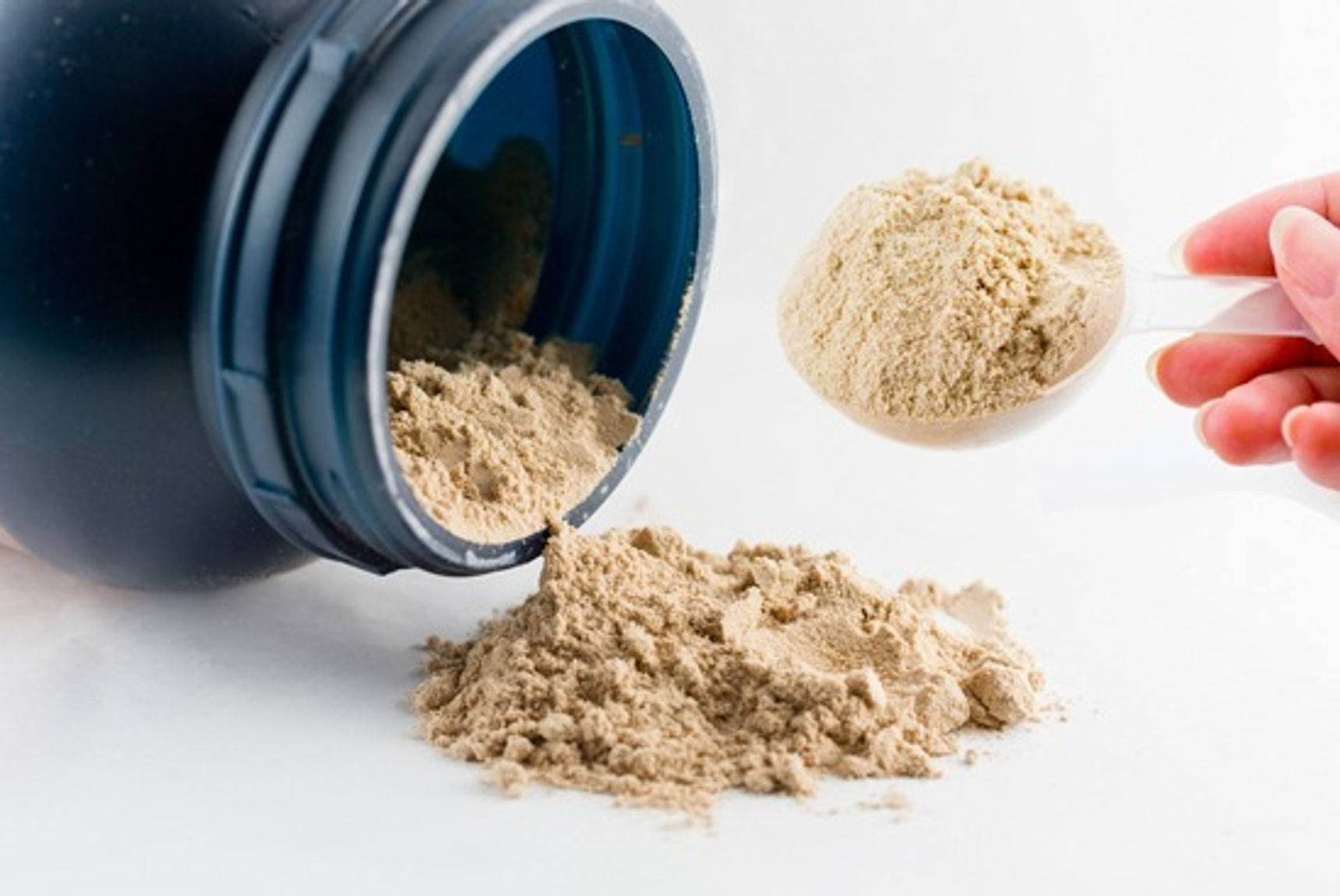
Probiotics Raw Material Bulk Storage and QC Verification High CFU Probiotic Strain Batch Inspection Sunland Nutrition
Strategic Sourcing Science

De-risking Probiotics Raw Material Sourcing: Viability, Water Activity ($a_w$), and Strain-Level Precision

Procuring probiotics raw material in bulk is fundamentally different from purchasing standardized botanical extracts or simple vitamins. Probiotics are live, metabolically delicate microorganisms whose potency fluctuates dynamically based on temperature, relative humidity, shear stress during tableting, and carrier water activity ($a_w$).

In modern commercial nutraceutical manufacturing, specifying a generic species such as Lactobacillus acidophilus without defining the strain designation, target Colony Forming Units (CFU/g), active fluorescent unit (AFU) count, and carrier matrix stability introduces severe regulatory and product liability risks. Google's Search Quality Rater Guidelines emphasize operational expertise and technical transparency; Sunland Nutrition approaches probiotic raw material supply through verified microbiological engineering and scientific rigor.

  • Strain-Level Genomic Authenticity: Every probiotic batch is authenticated using 16S rRNA full-genome sequencing and strain-specific PCR assays to eliminate species contamination or unverified generic substitutions.
  • Water Activity Control ($a_w < 0.15$): We mandate sub-0.15 water activity across all freeze-dried strain concentrates and prebiotic carriers (such as low-moisture FOS or Inulin) to halt metabolic decay in storage.
  • Precision Overage Calculations: Our technical team assists formulators in calculating scientifically sound overage margins (typically 20% to 40%) based on real-time room-temperature accelerated degradation kinetics.
  • Cold-Chain & Moisture-Proof Packaging: Packed in triple-laminate aluminum foil bags with integrated active desiccants, backfilled with high-purity nitrogen gas, and stored under strict $-18^\circ\text{C}$ to $4^\circ\text{C}$ climate controls.

Get a Quote

500B+Max CFU/g Single Strain Concentration
100%Genomically Sequenced Strain Batches
<0.15Guaranteed Water Activity ($a_w$) Specs
30+Countries Supplied with Full Regulatory Files
Product Recommendation Matrix

High-Potency Probiotics Raw Material Portfolio

From high-concentration freeze-dried single strains to spore-forming thermo-tolerant bacteria, microencapsulated powders, and heat-treated postbiotics—engineered for exact formulation requirements.

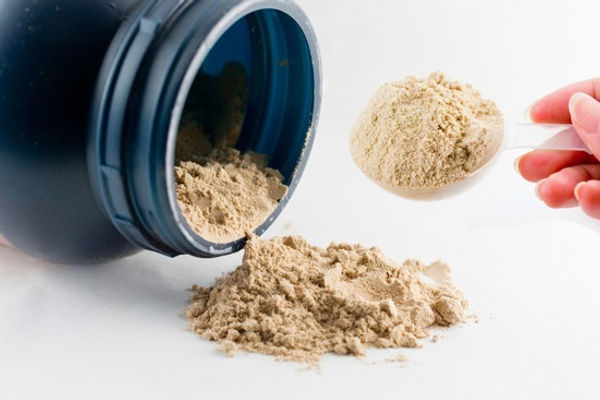
Lactobacillus acidophilus Raw Material Powder

Lactobacillus acidophilus (Bulk Powder)

Potency: 100B – 200B CFU/g
Carrier: Maltodextrin / Microcrystalline Cellulose / Inulin
Class-leading strain for digestive health and vaginal microflora formulas. Demonstrates superior adhesion to human intestinal epithelial cell lines (Caco-2) and robust lactic acid biosynthesis.
Request Specification sheet →

Bifidobacterium animalis subsp. lactis Raw Material

Bifidobacterium animalis subsp. lactis

Potency: 100B – 300B CFU/g
Attributes: Acid & Bile Tolerant, Oxygen Resistant
Highly stable anaerobic strain optimized for lower gastrointestinal motility, immune modulation, and infant nutrition premixes. Exceptional stability in low-moisture capsule blends.

Request Specification sheet →

Bacillus coagulans Spore-Forming Probiotics Raw Material

Bacillus coagulans (Thermo-Stable Spore)

Potency: 10B – 100B CFU/g
Attributes: Heat, Shear, & Acid Proof ($>90^\circ\text{C}$ Survival)
Ideal for pectin gummies, extruded nutrition bars, instant coffee mixes, and functional bakery. Forms protective endospores that survive gastric acid without microencapsulation.

Request Specification sheet →

Lactobacillus rhamnosus Bulk Probiotic Ingredient

Lactobacillus rhamnosus

Potency: 200B – 500B CFU/g
Attributes: High Epithelial Colonization
Widely documented strain for immune defense, gut barrier integrity, and atopic dermatitis applications. Excellent freeze-drying stability with low hygroscopicity.

Request Specification sheet →

Bifidobacterium longum Probiotic Raw Powder

Bifidobacterium longum

Potency: 50B – 100B CFU/g
Application: Gut-Brain Axis & Stress Modulation
Key psychobiotic candidate strain shown to attenuate cortisol response and improve gut mucosa barrier function. Strictly manufactured under allergen-free fermentation media.

Request Specification sheet →

Lactobacillus plantarum Raw Material Bulk

Lactobacillus plantarum

Potency: 100B – 400B CFU/g
Attributes: Plant-Fermented, Antimicrobial Bacteriocins
Robust, plant-derived strain capable of colonizing harsh gastrointestinal environments while synthesizing natural plantaricina bactericidal compounds against intestinal pathogens.

Request Specification sheet →

Custom Synbiotic Probiotic Prebiotic Blends

Custom Synbiotic Premixes (Multi-Strain + Fiber)

Ratios: Tailored 2 to 15 Strain Formulations
Combined with low-Aw prebiotic carriers like Organic FOS, IMO, or Resistant Dextrin. Formulated for synergistic metabolic activity, homogeneous particle blending, and zero segregation.

Request Specification sheet →

Heat-Inactivated Postbiotics Paraprobiotics Bulk

Tyndallized Postbiotics (Paraprobiotics)

Cell Count: 100B to 500B Inactivated Cells/g
Heat-treated non-viable cell masses retaining cell wall lipoteichoic acid and peptidoglycans. 100% shelf-stable in aqueous solutions, acidic beverages, skin serums, and high-heat processing.

Request Specification sheet →

Technical Viability & Formulation Science

Solving Probiotics Raw Material Incompatibility: Microencapsulation vs. Freeze-Dried Powders

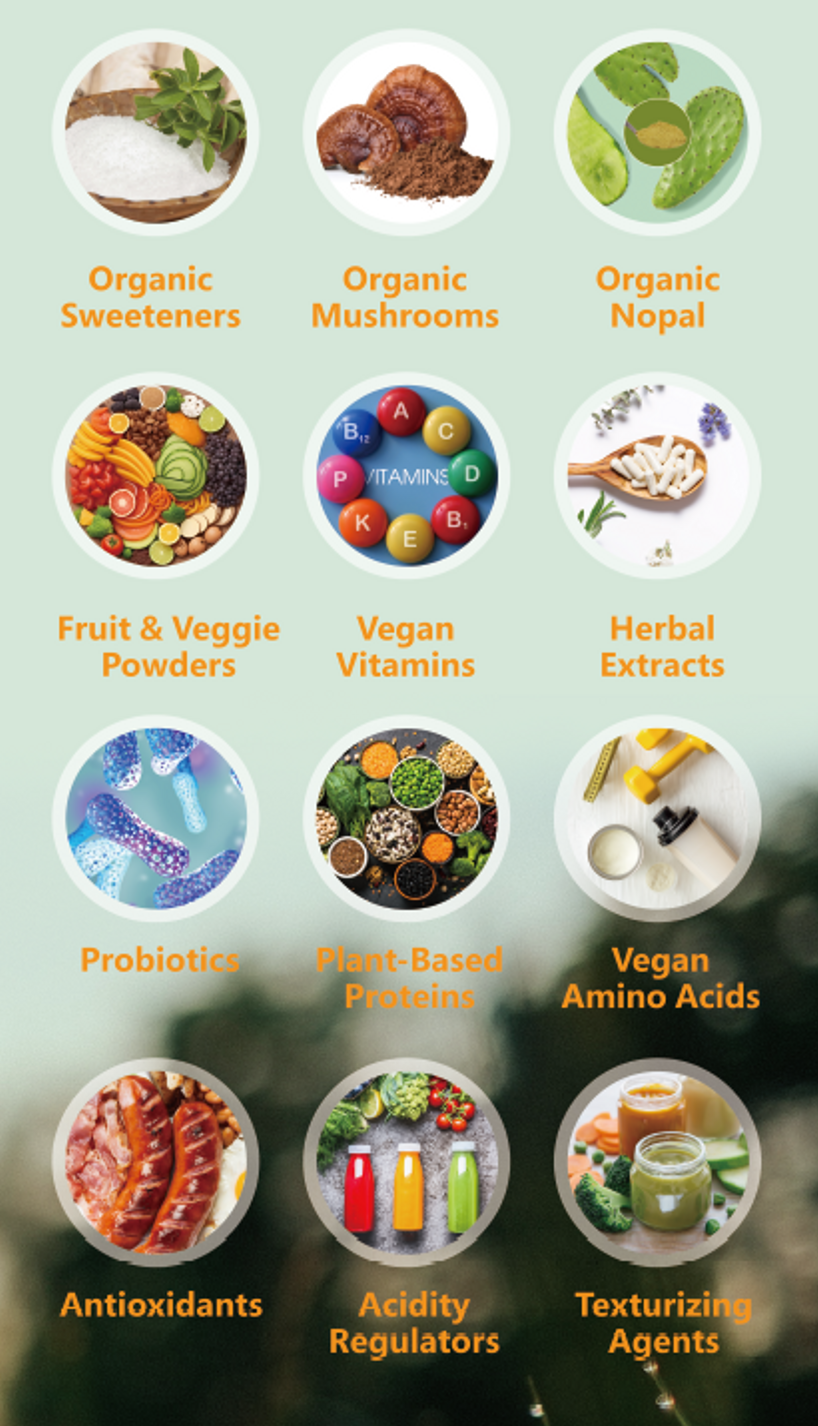
When selecting probiotics raw material for advanced commercial products, formulation teams must navigate distinct bio-processing technologies. Standard freeze-dried strain powders provide ultra-high cell concentrations (up to 500 Billion CFU/g), making them economically advantageous for conventional two-piece hard gelatin or HPMC capsules.

However, when developing gummies, chewable tablets, or multi-ingredient stick packs containing hygroscopic botanicals or minerals (such as Magnesium Glycinate or Vitamin C), standard freeze-dried cells suffer rapid log-reduction losses due to moisture migration and osmotic shock.

Sunland Nutrition’s lipid microencapsulation technology coats freeze-dried strain clusters in a protective lipid-polysaccharide membrane, shielding the live cells against gastric stomach acid ($pH < 2.0$) and preventing water vapor penetration in complex finished dosage forms.

Get a Quote

Freeze-Dried Strain Concentrates

  • 100B–500B CFU/g Potency
  • Ultra-Fine Powder ($80-100\text{ mesh}$)
  • Low-Temperature Logistics Required
  • Ideal for 2-Piece Capsules & Sachets
  • Requires High Barrier ALU/ALU Packaging
  • Requires Low Aw Excipients ($a_w < 0.15$)

Microencapsulated & Spore-Forming Grades

  • Gastric Acid Bypass ($>90\%$ Enteral Survival)
  • Room-Temperature Shelf Stability ($24\text{ Months}$)
  • High Moisture Tolerance ($a_w \le 0.30$)
  • Thermo-Stable up to $95^\circ\text{C}$ (Spore Formers)
  • Gummy & Chewable Tablet Compatible
  • Synergistic Synbiotic Fiber Coatings
Market Intelligence & AI Intent Insights

AI search engines and B2B procurement queries indicate a massive shift toward specialized, verified, and room-temperature-stable probiotic bio-ingredients. Here are the five key drivers shaping global purchasing decisions.

TREND 01

The Rise of Room-Temperature Stability & Microencapsulation

Global brands are phasing out strict cold-chain requirement SKUs to eliminate supply chain breaks and customer return costs. Advanced microencapsulation (coating freeze-dried cells in hydrogenated vegetable oil or alginate-chitosan matrix) allows Lactobacillus and Bifidobacterium strains to maintain target label claims at $25^\circ\text{C} / 60\%\text{ RH}$ for 24 months without excessive overages.

TREND 02

Postbiotics & Heat-Treated Paraprobiotics Dominance

Postbiotics—inactivated microbial cells or cell fragments that confer health benefits—represent the fastest-growing sector in functional RTD beverages and topical personal care. Because postbiotics are non-viable, they do not decompose in water-phase systems, require zero cold storage, and bypass regulatory live-microbe restrictions in international markets.

TREND 03

Genomic Strain Authenticity & Whole-Genome Sequencing (WGS)

Procurement departments no longer accept generic species documentation. Retail channels and regulatory bodies (such as the US FDA and European EFSA) mandate whole-genome sequencing (WGS) data to confirm strain identity, verify antibiotic resistance gene absence, and guard against microbial adulteration.

TREND 04

Targeted Health Endpoints Beyond Digestion

While gut motility remains a core baseline, buyer search queries have pivoted sharply toward strain-specific clinical indications: gut-brain axis (mental wellbeing and sleep), metabolic health (blood glucose and cholesterol management), dermatological skin-gut axis, and female vaginal microflora optimization.

TREND 05

Allergen-Free & Non-GMO Clean-Label Fermentation Media

Historically, probiotic fermentation media relied on milk-derived peptones or whey proteins. Modern global buyers demand 100% plant-based, allergen-free fermentation media (derived from non-GMO pea, soy-free hydrolysates, or yeast extract) to support strict Vegan, Non-GMO Project Verified, and Dairy-Free packaging claims.

TREND 06

Synbiotic Matrix Integration with Functional Soluble Fibers

Formulators are moving away from single-strain capsules toward customized synbiotic systems. By pairing high-CFU probiotics raw material with validated prebiotic bulking fibers—such as organic FOS, IMO, and resistant dextrin—brands achieve superior gut survival and enhanced prebiotic fermentation kinetics.

Regulatory & Quality Evolution

Industry & Development Trends Shaping Probiotic Fermentation

Understanding the manufacturing evolution behind high-density fermentation, lyophilization optimization, and global compliance standards.

High-Density Ultra-Centrifugal Fermentation

Modern bio-reactors utilize real-time pH-stat and nutrient-feed algorithms to achieve biomass cell densities exceeding $10^{11}\text{ CFU/mL}$ prior to harvesting. This minimizes cell wall fragility and maximizes freeze-drying survival recovery.

Advanced Cryoprotectant Matrix Formulations

Protecting cell membrane fluidity during flash-freezing ($ - 50^\circ\text{C}$) requires multi-component cryoprotectant systems combining disaccharides (trehalose), protective proteins, and sodium ascorbate to prevent intracellular ice crystallization and lipid peroxidation.

Flow Cytometry (AFU) vs. Traditional Plate Counting (CFU)

The industry is transitioning toward ISO 19344 flow cytometry methods. Flow cytometry measures Active Fluorescent Units (AFU), capturing viable but non-culturable (VBNC) cells that traditional agar plate colony counts fail to detect, offering higher precision for high-potency bulk powders.

Global Regulatory Harmonization (NDI, EFSA QPS, TGA)

Navigating global distribution requires strict adherence to FDA New Dietary Ingredient (NDI) notifications, European Food Safety Authority Qualified Presumption of Safety (QPS) list listings, and Australian Therapeutic Goods Administration (TGA) ingredient approvals.

Nitrogen-Purged Low-Humidity Packaging Lines

Bulk probiotic raw material packaging facilities must maintain ambient relative humidity below $20\%\text{ RH}$ at $20^\circ\text{C}$. Packaging under continuous dry nitrogen flushing prevents ambient moisture absorption during drum filling and sampling.

Sustainable Upstream Fermentation Footprint

Leading fermentation facilities are reducing water consumption, adopting circular energy recovery systems during steam sterilization, and sourcing carbon-neutral fermentation energy to satisfy ESG mandates from global corporate brand owners.

Why Sunland Nutrition

Sunland Nutrition Enterprise Advantages & Quality Assurance

Building trusted, audited, and transparent B2B ingredient partnerships since 2012.

Sunland Nutrition Inc, headquartered in Aliso Viejo, California, is a premier supplier of bulk nutritional raw materials and specialized functional bio-ingredients. Over more than a decade, we have established robust quality control protocols and strategic manufacturing partnerships to serve global brands with total confidence.

  • State-of-the-Art US Warehousing: Our Aliso Viejo, California facility maintains dedicated temperature-controlled ($4^\circ\text{C}$ and $-18^\circ\text{C}$) storage zones specifically calibrated for delicate probiotics raw material and hygroscopic functional ingredients.
  • Full Quality Documentation Suite: Every shipment arrives with a lot-specific Certificate of Analysis (COA), Technical Data Sheet (TDS), Allergen Statement, GMO-Free Certificate, Micro-Assay Dossier, and Heavy Metal/Pesticide Screening reports.
  • Comprehensive Certification Scope: Certified USDA Organic, Kosher, Halal, Non-GMO Project Verified, and Vegan options available across core probiotic strains and prebiotic soluble fibers.
  • R&D & Formulation Support: Our technical team assists your formulators with particle size matching, water activity ($a_w$) optimization, carrier selection (FOS, IMO, MCC), and pilot-scale sample validation.
  • Rapid US Dispatch & Global Shipping: In-stock warehouse inventory ships within 1–3 business days across North America, with full export documentation for European, Latin American, and Asia-Pacific customs clearance.

Get a Quote

Sunland Nutrition Quality Assurance Laboratory and Supply Team
Quality & Compliance Standards

Audited Quality Systems & Third-Party Certifications

Every probiotic strain and functional raw material is verified against international analytical standards before release.

USDA Organic Certification Sunland Nutrition
USDA Organic
Quality Management System Certified ISO GMP
Quality System / cGMP
Nutraceutical Industry Member Badge
Industry Member
SFA Industry Partner 2026 Badge
SFA Partner 2026
Kosher
Halal
Non-GMO
Vegan / Dairy-Free
Available on request
Procurement & Technical FAQ

Frequently Asked Questions by Global Probiotics Raw Material Buyers

Direct technical answers addressing strain verification, overage calculations, water activity thresholds, and logistics.

Every single batch of probiotics raw material supplied by Sunland Nutrition undergoes rigorous genetic and microbiological testing. Strain identity is authenticated using 16S rRNA gene sequencing and strain-specific PCR assays. CFU potency is determined through standard agar plate colony counting (using ISO/IDF or USP methodologies) as well as flow cytometry (FC) to record Active Fluorescent Units (AFU). Complete lot-specific COAs confirm zero pathogenic contamination (Salmonella, E. coli, Staphylococcus aureus, Listeria), heavy metals (Pb, As, Cd, Hg within USP limits), and residual moisture levels below 5%.

The ideal formulation overage depends on target shelf life (12 vs. 24 months), packaging barrier properties (e.g., ALU/ALU blisters vs. HDPE bottles with desiccants), ambient storage temperature, and the specific strain's degradation kinetics. For room-temperature standard freeze-dried Lactobacillus or Bifidobacterium species, an overage margin of 20% to 40% above the label claim is typical. For thermo-tolerant spore-forming strains such as Bacillus coagulans, an overage of 10% to 15% is usually sufficient due to superior spore coat stability.

Water activity ($a_w$) is the single most critical factor governing non-refrigerated probiotic shelf life. Free water molecules trigger metabolic activity in freeze-dried bacterial cells, leading to premature cell death. To ensure a stable 2-year shelf life at 25°C, the final powder blend must maintain a water activity ($a_w$) below 0.15 to 0.20. Sunland Nutrition provides specialized low-moisture carrier substrates (such as vacuum-dried FOS, organic inulin, and microcrystalline cellulose) engineered to maintain low water activity during high-speed blending.

Unlike vegetative Lactobacillus or Bifidobacterium strains that require delicate freeze-drying and moisture-sealed packaging, Bacillus coagulans forms a protective protein endospore core. This spore coat enables the bacterium to withstand temperatures up to $90^\circ\text{C}$–$95^\circ\text{C}$, harsh mechanical shear during tableting, and stomach acid ($pH < 2.0$). Consequently, Bacillus coagulans raw material is the premier choice for pectin gummies, functional baked goods, instant beverage powders, and hot tea or coffee applications.

Each shipment of bulk probiotic raw material includes a full documentation package: Batch-Specific Certificate of Analysis (COA), Technical Data Sheet (TDS), Safety Data Sheet (SDS), Allergen Statement, GMO-Free Declaration, Strain Origin Certificate, and Stability Dossier summary. Upon request, we also provide USDA Organic, Kosher, Halal, and Vegan certificates issued by recognized accredited agencies.

Yes. We specialize in custom synbiotic premixing. Our engineering team can combine multiple custom probiotic strains (e.g., 5-strain digestive blend or 10-strain high-potency formula) with low-Aw prebiotic fibers like Organic FOS, IMO, or Resistant Dextrin. Premixes are manufactured in climate-controlled ($<20\%\text{ RH}$) cGMP environments, ensuring homogeneous distribution and zero particle segregation.

For sensitive freeze-dried strains, material is packed in double-sealed aluminum foil barrier bags containing active desiccant pouches. Shipments are packed in heavy-duty insulated styrofoam shippers with dry ice or frozen cold gel packs depending on transit duration. We coordinate express air freight or refrigerated LTL/FTL transport, complete with data-logger temperature monitors to ensure unbroken thermal protection from our Aliso Viejo warehouse to your dock.

Absolutely. All our core probiotic strains are cultivated using 100% plant-based, dairy-free, soy-free fermentation media. We supply dedicated non-dairy certificates confirming zero milk proteins (casein or whey) or lactose cross-contamination, satisfying strict Vegan and allergen-free finished product positioning.

Postbiotics (tyndallized or heat-inactivated probiotic cells) contain non-viable cells that retain biological signaling molecules such as lipoteichoic acid, peptidoglycans, and short-chain fatty acids. Because the cells are non-viable, postbiotics are immune to thermal breakdown, water-phase degradation, or stomach acid destruction. They can be formulated into ready-to-drink liquids, cosmetics, hot foods, and ambient snacks without requiring overages or cold-chain logistics.

Standard single-strain powders held in stock at our California warehouse carry a flexible MOQ starting at 1 kg for pilot testing and scale to 25 kg fiber drums for full commercial runs. Laboratory-scale samples (10g to 50g) with matching analytical COAs are available free of charge to qualified R&D formulators and manufacturing facilities.

Ready to Source High-Potency Probiotics Raw Material?

Connect directly with our California technical team for live stock availability, custom synbiotic blending quotes, and complimentary pilot samples.

Get a Quote Contact Sourcing Team