Organic Mushroom Extract is a growing ingredient category, but bulk purchasing takes more than comparing price per kilogram. Buyers need to know which species a supplier offers, which mushroom parts it uses, and how each extract is tested. The Organic Trade Association’s 2024 Organic Industry Survey reported U.S. organic sales of $69.7 billion in 2023, up 3.4% from the previous year. That figure covers the broader organic market, not mushroom extracts alone. Useful context. Not proof of demand for every product.
This guide compares seven suppliers through practical sourcing questions: organic certification, batch-specific certificates of analysis, stated beta-glucan levels, extraction details, traceability, and capacity for repeat bulk orders. A certificate should be checked against its issuing body and scope. Ask whether testing applies to the finished extract, not only its raw mushrooms. Details matter. Fruiting body and mycelium products can differ, and a high polysaccharide figure does not automatically establish beta-glucan content. The evidence is not always easy to compare. Suppliers may use different methods or disclose different information, so gaps deserve attention rather than assumptions. The companies featured here are starting points for due diligence, not endorsements or guarantees. Before placing an order, request current documentation, confirm specifications in writing, and assess whether the supplier can meet your quality and delivery requirements consistently.
What Organic Mushroom Extracts Are and How They Are Produced
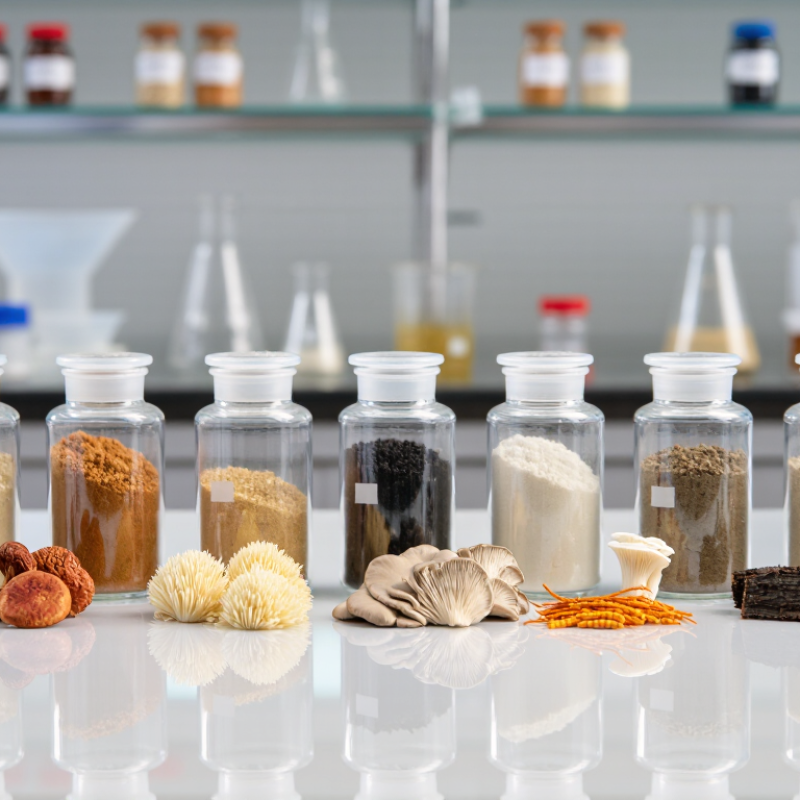
Organic mushroom extracts are concentrated ingredients made by separating selected compounds from dried fruiting bodies or mycelium. The raw material is identified, cleaned, dried, and milled before extraction. Hot water is commonly used to draw out water-soluble polysaccharides, while ethanol can help extract less water-soluble compounds. Some producers combine both methods. Not magic. The solvent, temperature, and extraction time affect the resulting profile, so buyers should request process details and batch specifications.
The extract is filtered, concentrated, and often dried into powder. Suppliers may report beta-glucan levels, but buyers should check the test method and confirm whether results refer to the extract or starting mushroom. Organic status depends on traceable certified inputs and compliant processing under the relevant market’s rules; a label alone is not proof. The Organic Trade Association’s 2024 Organic Industry Survey reported US organic sales of $69.7 billion in 2023, up 3.4% year over year. That is broad organic-market context, not mushroom-extract sales. For bulk purchasing, request current organic certificates, identity and contaminant testing, and a clear explanation of extraction ratios. A tidy specification sheet can still leave questions. Batch records matter.
How to Assess Suppliers for Bulk Purchasing
For bulk mushroom extracts, assess the supplier’s records before comparing price. Request a current organic certificate and confirm that its scope covers the product and processing site. Ask for a batch-specific certificate of analysis, not just a general sample report. It should identify the mushroom species and list relevant tests, such as microbial counts, heavy metals, and active-compound measurements. Check whether testing is performed by an independent laboratory. A neat PDF can still leave gaps. Follow up if methods, dates, or batch numbers are missing.
Ask how the extract is made and what the powder specifications mean. Extraction ratios alone do not prove strength, so compare measured beta-glucan content and the testing method across suppliers. Request a small sample, then check its aroma, color, solubility, and consistency against the written specification. Keep a retained sample for later comparison. Ask about minimum order quantities, production lead times, packaging, and how the supplier handles out-of-spec batches. Get answers in writing. Price matters, but a low quote may exclude testing or stable packaging. I would still treat one successful sample cautiously; larger production runs can vary, and a supplier’s process controls deserve close review.
Seven Organic Mushroom Extract Suppliers to Consider
Bulk buyers can compare seven supplier profiles when sourcing organic mushroom extracts: farm-integrated producers, multi-origin ingredient distributors, single-species specialists, fruiting-body extractors, mycelium-focused processors, water-extraction producers, and suppliers offering standardized blends. Each profile suits different needs. Farm-integrated suppliers may provide clearer growing records, while distributors can offer a wider selection. Ask how each supplier verifies organic status and identifies the mushroom material used.
Tips: Request a recent, lot-specific certificate of analysis. Check species, plant part, extraction method, beta-glucan testing, and contaminant results. Ask whether testing is performed by an independent laboratory. Details matter.
Compare samples under consistent conditions. Note aroma, color, solubility, and how the powder behaves in your intended formulation. Request minimum order quantities, lead times, and storage guidance in writing. A polished specification sheet is useful, but it cannot replace batch records or clear answers. One limitation: extraction methods and testing standards differ, so figures from two suppliers may not be directly comparable. Keep that in mind when reviewing quotes.
7 Organic Mushroom Extract Supplier Checks for Bulk Buyers
A practical checklist for comparing suppliers. Each bar represents one type of evidence to request—not a supplier rating or a claim about any company.
How to Compare Certifications, Testing, and Supply Capacity
A reliable bulk supplier should provide more than an organic certificate. Check that certification covers the exact mushroom species, extract, and processing site you plan to buy from. Confirm its validity directly with the issuing body. A certificate for raw material may not cover the finished extract. Details matter.
Tips: Request a recent, lot-specific certificate of analysis. Check species identity, beta-glucan results, heavy metals, microbial counts, and pesticide residues. Ask which test methods were used and whether an independent laboratory performed them. Compare results across several lots, not just one. I still find this easy to overlook: a polished sample report cannot show how consistently future shipments will match.
Supply capacity needs equally careful questions. Ask about monthly output, minimum order quantities, lead times, and packaging options. Find out whether the supplier can explain seasonal shortages or changes in sourcing. A steady quote is useful, but it is not proof of steady inventory. Request a sample production schedule and clarify how delays are communicated. If the supplier cannot share basic batch documentation, pause before committing to a large order. No checklist removes all uncertainty; use small trial orders to see whether paperwork, product quality, and delivery timing align in practice.
Steps for Vetting Suppliers and Placing a Bulk Order
Before requesting a quote, define the material you need: mushroom species, fruiting-body or mycelium source, extract ratio, and intended format. Ask suppliers for a current organic certificate, and confirm that it covers the specific product and processing site. A certificate alone is not enough. Request a recent certificate of analysis with lot numbers, assay methods, and results for identity, microbial counts, heavy metals, and relevant residues. Check whether the testing was performed by an independent laboratory. Small details matter.
Order a sample from the same production lot you may purchase, if possible. Inspect its color, aroma, solubility, and packaging, then compare the results with the supplier’s documents. Ask how batches are traced and how long retained samples are stored. Get the MOQ, lead time, payment schedule, shipping conditions, and procedure for handling rejected goods in writing. Keep it specific. A small trial order can reveal delays or inconsistent paperwork before a larger commitment. I once found a supplier’s sample convincing, but the bulk specification left one key assay undefined. That was my oversight, too. Agree on measurable acceptance criteria before paying a deposit, and keep a signed copy of the final specification.
FAQS
Options include farm-integrated producers, multi-origin distributors, species specialists, and extractors focused on fruiting bodies or mycelium. Some offer water extraction or standardized blends. Each profile has trade-offs.
Ask for a current certificate covering the specific product and processing site. A certificate alone is not enough. Check the details.
Request a recent, lot-specific certificate of analysis. It should show species identity, assay methods, microbial counts, heavy metals, and relevant residues. Ask whether an independent laboratory performed the tests.
Compare samples under consistent conditions. Check color, aroma, solubility, and how the powder behaves in your intended formulation. Small differences can matter.
Specify the mushroom species, fruiting-body or mycelium source, extract ratio, and intended format. Also ask about beta-glucan testing and extraction methods.
Confirm the minimum order quantity, lead time, payment schedule, shipping conditions, and storage guidance. Define how rejected goods will be handled. Keep it specific.
Not always. Extraction methods and testing standards can differ, so figures may not be directly comparable. Ask suppliers to explain their methods.
If possible, request a sample from the same lot you may buy. Review its documents and packaging, then test the sample before making a larger commitment. I once missed an undefined assay, too.
Conclusion
This guide explains what Organic Mushroom Extracts are, how they are made, and what bulk buyers should look for when choosing a supplier. It outlines key production considerations, including mushroom species, extraction methods, ingredient traceability, and consistency between batches. The article also presents seven types of suppliers to consider, without treating any one option as suitable for every buyer.
To compare suppliers, buyers can review certifications, independent testing, product specifications, minimum order quantities, production capacity, and lead times. The guide recommends requesting samples and documentation, clarifying packaging and shipping details, and confirming quality-control procedures before placing an order. A careful vetting process helps buyers assess whether an Organic Mushroom Extract supplier can meet their product requirements reliably and support future orders as demand changes.