Choosing a reliable Stevia Reb-A Powder supplier in 2026 requires more than comparing prices. Bulk buyers need consistent sweetness, verified purity, stable supply, and clear documentation. A useful supplier should explain the product’s rebaudioside A concentration, production origin, and recommended storage conditions.
Look closely at the details. A strong supplier can provide a current certificate of analysis, batch identification, allergen information, and relevant microbiological test results. Third-party verification adds confidence, especially when orders reach several hundred kilograms. Packaging also matters. Moisture-resistant bags, sealed liners, and readable labels can protect powder quality during transport and warehouse storage.
Small details matter.
Experienced buyers should examine minimum order quantities, lead times, sample policies, and response quality. Ask how the supplier manages batch variation and delayed shipments. Request a sample before approving a long-term contract. The powder may appear bright and fine, yet performance can change in beverages, tablets, or reduced-sugar formulations. Practical testing remains essential.
No supplier is perfect. Even a well-documented company may experience harvest changes, shipping delays, or communication gaps. That is why supplier assessment should include both evidence and realistic risk planning. Buyers should also confirm that specifications, labeling, and intended use meet the requirements of their destination market. Rules differ by region.
This guide compares important supplier qualities for bulk buyers seeking Stevia Reb-A Powder in 2026. It focuses on transparency, technical capability, quality consistency, and dependable commercial support. Cost matters, but trust is harder to replace.
What Is Stevia Reb A Powder and Why Does Purity Matter?
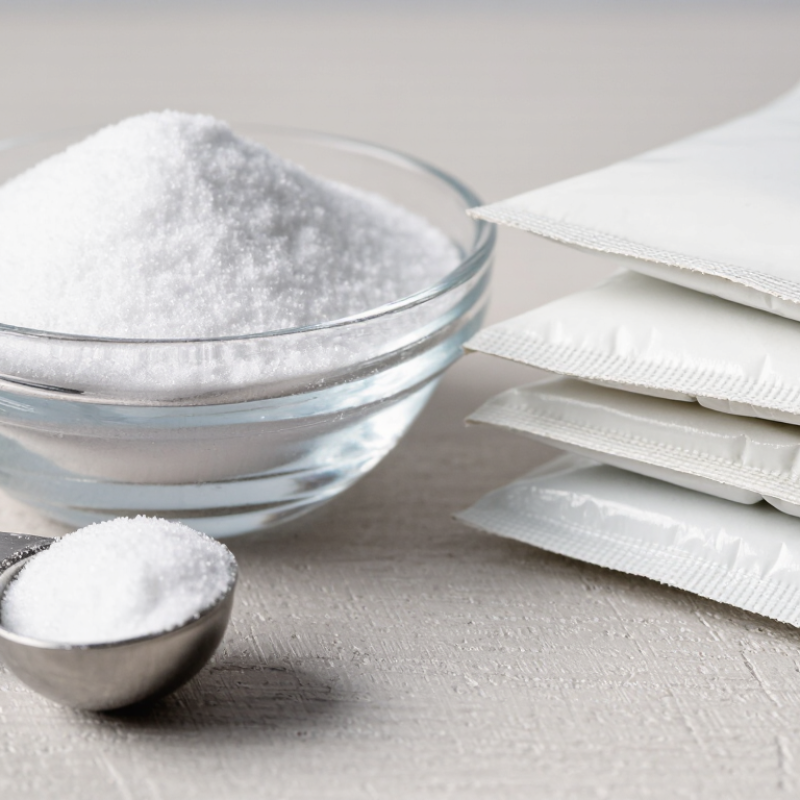
Stevia Reb A powder is a purified steviol glycoside extracted from stevia leaves. Reb A provides intense sweetness with almost no calories at normal use levels. Its taste is cleaner than many lower-purity stevia extracts, although bitterness can still appear in concentrated formulas. Small differences matter.
Purity matters because the powder’s composition affects sweetness, aftertaste, stability, and batch consistency. The Joint FAO/WHO Expert Committee on Food Additives established an acceptable daily intake of 0–4 mg/kg body weight, expressed as steviol equivalents. This value remains a practical reference for formulation teams. The Food Chemicals Codex also emphasizes identity, assay, moisture, and contaminant controls for steviol glycosides. A “95% Reb A” claim should therefore be supported by recent HPLC testing, not only a supplier declaration. HPLC, moisture, microbiological, heavy-metal, and residual-solvent results should match each lot. Ask for traceable certificates of analysis. Then verify them independently when the application is sensitive. I have seen specifications look perfect on paper, yet sensory trials reveal a sharp finish. That gap deserves attention. Storage conditions matter too: sealed packaging, low humidity, and protection from heat help preserve powder quality during bulk handling. Supplier evaluation should include sample testing, production records, and a clear method for investigating out-of-specification batches. Data can be persuasive. It is not infallible.
How to Evaluate Stevia Reb A Suppliers for Bulk Purchasing
2026 Best Stevia Reb A Powder Supplier for Bulk Buyers?
How to Evaluate Stevia Reb A Suppliers for Bulk Purchasing
Bulk buyers should evaluate Stevia Reb A suppliers through documents, samples, and repeated communication. A polished website is not proof of manufacturing capability. Request a recent certificate of analysis for every available batch. Check Reb A assay, moisture, particle size, microbiological limits, heavy metals, and residual solvents. The testing method should be clearly identified, such as HPLC. Ask whether an independent laboratory verified the results.
Traceability matters during long-term purchasing. The supplier should provide the stevia source, production location, lot number, and harvest or processing information when available. Review food safety certifications, allergen controls, sanitation procedures, and change-control policies. A factory audit or live video inspection can reveal storage conditions that documents may hide. Look for sealed packaging, dry pallets, and clear labeling. Small details matter.
Commercial terms deserve equal attention. Compare minimum order quantities, lead times, sample policies, payment terms, and shipping temperatures. Stevia Reb A powder can absorb moisture, so inner liners and humidity protection should be discussed before ordering. Request a pilot quantity before committing to a container. It may feel inefficient. It can prevent an expensive mismatch in sweetness, color, or solubility. Do not choose solely by price; unusually low quotes may reflect weaker testing or inconsistent specifications. I would still recheck every assumption, because even reliable suppliers can change raw materials, equipment, or production schedules.
Which Quality Standards Define a Reliable Reb A Powder Supplier?
A reliable Reb A powder supplier should prove quality before discussing price. The FAO/WHO JECFA evaluation sets the acceptable daily intake for steviol glycosides at 0–4 mg per kilogram of body weight, expressed as steviol equivalents. This makes accurate assay data essential, not optional. Numbers matter.
Bulk buyers should request HPLC identity and purity results for every production lot. A high-purity grade may claim 95% or 98% Reb A, but the specification must define the tested basis. Moisture, ash, residual solvents, heavy metals, microbiological limits, and particle size also need clear acceptance ranges. Vague certificates create avoidable risk.
Codex GSFA data identifies steviol glycosides under INS 960a and supports controlled food-use applications within permitted categories. A capable supplier should connect each shipment to a batch number, raw-material origin, processing record, and current certificate of analysis. ISO 22000-based food safety systems add useful structure, although certification alone does not guarantee consistent powder performance. That is an easy point to overlook.
Samples should be tested independently before a long-term contract. Check sweetness, aftertaste, dissolution, and stability in the buyer’s actual formula. A supplier may pass one audit and still disappoint during seasonal production changes. Real reliability comes from repeated results, transparent deviations, and prompt corrective action—not polished documents alone.
How Pricing, Supply Capacity, and Logistics Affect Bulk Sourcing
2026 Best Stevia Reb A Powder Supplier for Bulk Buyers?
For bulk buyers, the best Reb A supplier is not always the cheapest option. Pricing should reflect purity, testing, packaging, and order volume. A low quotation may exclude laboratory analysis, pallet fees, or export documentation. Ask for a recent certificate of analysis, batch number, moisture data, and traceability records. Reb A content should match your product specification, not just the sales description. Small details matter.
Supply capacity also affects real costs. A supplier may offer an attractive price for one shipment, then struggle with monthly production. Confirm available stock, annual output, minimum order quantity, and backup raw material sources. Request a written production schedule. Forecasts can be wrong, including mine. A trial order may reveal inconsistent color, slow responses, or unexpected packaging damage. Those problems are expensive after approval.
Tips: Compare landed cost, not unit price. Include freight, insurance, customs charges, inspection, and inland delivery. Confirm whether the quoted price is fixed or adjustable. For logistics, check lead time from production to port, pallet dimensions, temperature conditions, and moisture protection. Choose packaging that survives long transit. Keep at least one approved alternative supplier, even when the first shipment performs well.
How to Select the Best Stevia Reb A Supplier in 2026
2026 Best Stevia Reb A Powder Supplier for Bulk Buyers?
Selecting the best Stevia Reb A supplier in 2026 requires more than comparing prices.
Begin with a recent certificate of analysis for every production lot. Check Reb A purity, moisture, ash, microbiological results, and heavy metal limits. Ask whether testing uses validated HPLC methods. Small details matter.
A reliable supplier should provide clear traceability from stevia leaves to sealed bulk packaging. Request the harvest region, processing location, batch number, and storage conditions. Review food safety certifications, allergen statements, and contaminant-control procedures. Verify that documents match your destination market’s requirements. A sample should also perform consistently in your formula, not only in a laboratory report.
Speak directly with the technical team before placing a large order. Discuss minimum quantities, lead times, packaging liners, shelf life, and temperature exposure during shipping. Request retained samples and a written specification. I would not choose the lowest quotation automatically; unstable supply can cost more than a higher unit price. No audit is perfect. Still, a supplier that answers slowly or avoids specific evidence deserves caution. Run a small trial order first, record flavor, solubility, color, and delivery condition, then compare the findings with your internal standards.
Conclusion
Choosing the best Stevia Reb-A Powder supplier in 2026 requires more than comparing prices. Buyers should understand how Reb A contributes sweetness, why high purity affects taste and consistency, and how production controls help reduce unwanted flavors and batch variation. A reliable supplier should provide clear specifications, test reports, traceability, and consistent documentation for every shipment. Evaluating manufacturing practices, quality management systems, sampling procedures, and customer support can help confirm whether a supplier is prepared for long-term bulk cooperation.
Pricing should also be assessed alongside supply capacity, lead times, packaging options, storage conditions, and delivery reliability. The lowest quotation may not offer the best value if quality varies or shipments are frequently delayed. Bulk purchasers should compare suppliers using a balanced checklist covering purity, technical support, production scalability, logistics, payment terms, and communication. By reviewing these factors carefully, businesses can select a dependable Stevia Reb-A Powder partner that supports product consistency, cost control, and stable growth throughout 2026.