Demand for Dietary Fiber Ingredients is growing as food makers respond to interest in digestive health, fuller-feeling foods, and better-balanced diets. Fiber now appears in familiar products, from breakfast bars and yogurt to powdered drink mixes. A label may list inulin, psyllium, oat fiber, or citrus fiber, each with different properties. These ingredients are not interchangeable. Some dissolve readily and can add body; others contribute texture and structure.
The appeal is practical. Manufacturers can use fiber to adjust a recipe while offering shoppers another way to increase dietary fiber intake. Yet formulation takes care. A small change can affect a product’s thickness, taste, or stability, much like adding flour changes the feel of dough. The final result depends on the fiber source, the amount used, and the food around it. Simple on paper.
Interest also reflects a broader shift toward foods with recognizable ingredients and clear nutritional value. Still, “high fiber” does not automatically mean a product suits everyone. Tolerance varies, and a sudden increase in fiber may cause discomfort for some people. Product claims and nutrition details deserve careful reading. There is room for skepticism, too: market enthusiasm can move faster than clear evidence about how a specific ingredient performs in every recipe or diet. The strongest discussion of demand therefore considers consumer needs, manufacturing function, and reliable nutrition information together.
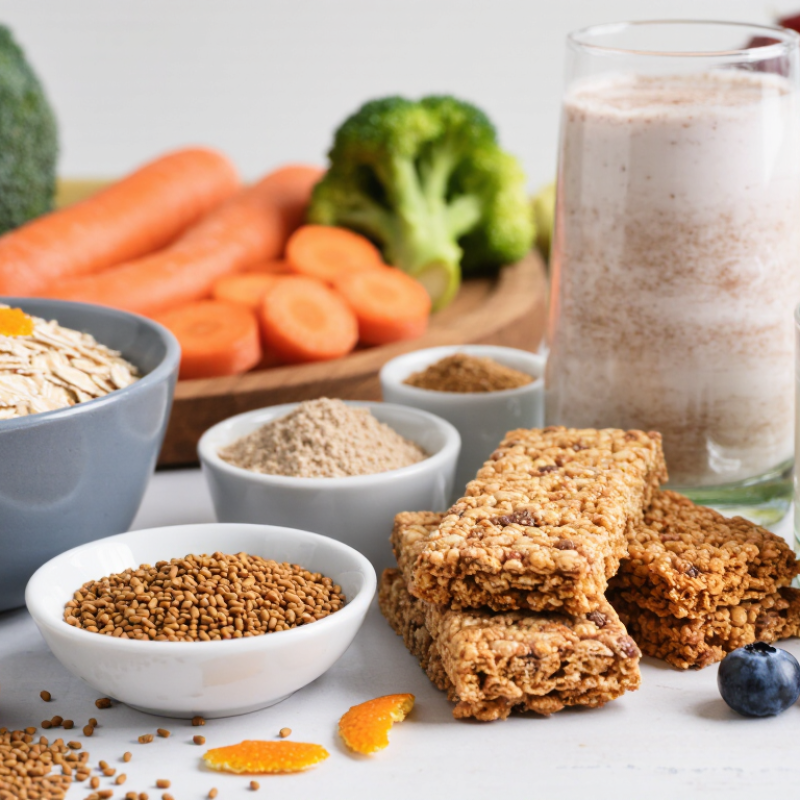
Dietary fiber ingredients are materials used to increase or restore fiber in foods. They can come from grains, pulses, fruits, vegetables, or purified plant components. In practice, a fine powder may blend into bread dough, while coarse bran remains visible in cereal. Processing affects texture and how an ingredient works in a recipe.
A common classification describes fiber as soluble or insoluble in water. Soluble fibers may disperse or form gels, helping thicken a drink or soften a food. Insoluble fibers generally retain more structure and can add bulk. The labels overlap. Fiber can also be classified by viscosity and fermentability. Some fibers are readily used by gut microbes; others are less fermentable. These traits do not fit a simple either-or split.
Ingredients may also be grouped by source, such as cereal or fruit fibers, or by function, such as thickening and bulking. One ingredient can fit several groups. That distinction matters. Classification describes properties, not a guaranteed health outcome; effects depend on factors such as intake, the food itself, and a person’s overall diet. Even the label “soluble” can hide important differences in behavior. That is easy to overlook.
Recommended daily fiber intake varies by age and sex, highlighting the role fiber-rich ingredients can play in helping people meet dietary targets.
What dietary fiber ingredients are: Carbohydrates that resist digestion in the small intestine. They are commonly classified as soluble or insoluble; other functional categories include resistant starch and fermentable fibers.
Values are Adequate Intake recommendations in grams per day for adults, based on National Academies Dietary Reference Intakes. Individual needs may vary.
Demand for dietary fiber ingredients is growing as people look for practical ways to support digestion and everyday health. Fiber adds bulk to stool, helping it move through the digestive tract. Some soluble fibers form a gel in water and can help moderate rises in blood glucose after meals. Others may support healthy cholesterol levels. Effects vary by fiber type and serving size.
Tips: Add fiber gradually. Stir oats or chia into breakfast, or choose beans at lunch. Drink enough fluids, especially as intake rises. A sudden jump can cause gas or bloating. Small steps are easier to maintain.
Fiber also feeds certain gut microbes, which produce compounds involved in gut health. That sounds promising, but it is not a cure-all. A single ingredient cannot replace a varied diet, and people respond differently. Check the label for fiber per serving, then consider how it fits into the whole meal. A useful target is consistency, not perfection; even food labels can make comparisons a little confusing.
| Fiber Type or Measure | Common Food Sources | How It Works | Health Relevance | Practical Considerations |
|---|---|---|---|---|
| Recommended daily intake for adults | Vegetables, fruits, legumes, nuts, seeds, and whole grains | Intake guidance is based on approximately 14 g of fiber per 1,000 kcal. | In the United States, the Adequate Intake is 25 g/day for women and 38 g/day for men ages 19–50; for adults over 50, it is 21 g/day for women and 30 g/day for men. | Individual needs vary with age, energy needs, and health circumstances. Increase intake gradually and drink adequate fluids. |
| Psyllium Viscous, soluble fiber |
Psyllium husk and products made with psyllium | Absorbs water and forms a gel, which can increase stool softness and bulk. | Can support bowel regularity; clinical evidence also supports psyllium’s role in modestly lowering LDL cholesterol when used as part of a suitable diet. | Take with sufficient liquid and follow product directions. People with swallowing difficulties or certain digestive conditions should seek medical advice before use. |
| Oat and barley beta-glucan Viscous, soluble fiber |
Oats and barley | Forms a viscous solution in the digestive tract and can affect the absorption of dietary cholesterol. | Consuming about 3 g per day of oat beta-glucan has been shown to help lower LDL cholesterol as part of a diet low in saturated fat. | The amount of beta-glucan varies among foods, so check nutrition information when comparing products. |
| Inulin and fructooligosaccharides Fermentable fibers |
Onions, garlic, asparagus, chicory root, and some legumes | Pass through the small intestine largely undigested and are fermented by gut microbes in the colon. | Can selectively support the growth or activity of certain beneficial gut bacteria; effects depend on the fiber and the person. | Rapidly increasing intake may cause gas, bloating, or abdominal discomfort, particularly in people sensitive to fermentable carbohydrates. |
| Resistant starch Fermentable starch |
Legumes, green bananas, and some cooked-and-cooled potatoes or rice | Resists digestion in the small intestine and can be fermented in the large intestine. | Contributes to total fiber intake and produces short-chain fatty acids during fermentation. Research into additional metabolic effects is ongoing. | Cooking and cooling can change the resistant-starch content of some starchy foods; the amount varies with food type and preparation. |
| Insoluble fiber Including cellulose |
Whole grains, wheat bran, vegetables, nuts, and seeds | Adds bulk to stool and helps support movement through the digestive tract. | Can help maintain regular bowel movements when consumed as part of a balanced diet. | Different foods contain different combinations of soluble and insoluble fiber; eating a variety of plant foods is a practical approach. |
| Fiber-rich dietary pattern Whole foods and varied fiber types |
A mix of fruits, vegetables, legumes, nuts, seeds, and whole grains | Provides fibers with different water-holding, bulking, and fermentation properties. | Higher-fiber eating patterns are associated with better digestive health and lower risk of several chronic diseases, including cardiovascular disease; associations do not guarantee an individual outcome. | Fiber works best within an overall nutritious eating pattern. Supplements can add fiber but do not replace the range of nutrients in whole foods. |
Consumers are seeking more fiber-enriched foods because fiber can fit familiar routines: oatmeal at breakfast, whole-grain bread at lunch, or beans in a weeknight soup. The USDA’s 2020–2025 Dietary Guidelines report that more than 90% of women and 97% of men in the United States do not meet recommended fiber intakes. That gap gives food makers a clear reason to add fiber to everyday products, rather than asking shoppers to rebuild their diets from scratch. Convenience matters.
The International Food Information Council’s 2024 Food & Health Survey tracks how health goals shape food choices, including interest in nutrients such as fiber. Yet interest is not the same as consistent intake. A cereal box may promise extra fiber, but shoppers still weigh taste, texture, price, and how easily it fits breakfast. Details matter. Some added fibers can change a food’s texture, and a sudden increase may cause discomfort for some people. That deserves more attention than a bold front-label claim. Clear ingredient information and realistic serving guidance can help consumers compare products without implying that one enriched snack solves a wider dietary gap.
Food producers use dietary fiber ingredients to improve both nutrition and product performance. In bread, added fiber can increase water absorption and change dough handling. A baker may need to adjust mixing time or add more water. In muffins, some fibers help retain moisture, while others can make the crumb feel dense. Texture matters. Small changes count.
In beverages, soluble fibers can add body, but too much may create a thick or slightly gritty mouthfeel. Formulators often test different fiber types and inclusion levels in small batches before scaling up. At pilot scale, a drink that pours smoothly from a cup may still behave differently after storage. That is easy to underestimate.
Fiber can also affect flavor release, color, and shelf stability, so testing should include realistic processing and storage conditions. Product claims need careful review; the amount and type of fiber should be verified in the finished food.
There is no single fiber that works equally well in every recipe. Sometimes a formula needs another round of adjustment, even when the first sample looks promising.
Dietary fiber ingredients are gaining attention as consumers look for foods that support digestive health and fit everyday eating habits. That demand is pushing manufacturers to improve how fiber works in real products. A fiber that blends smoothly into a drink, for example, is more useful than one that settles at the bottom or leaves a gritty finish. Small details matter.
Innovation now focuses on texture, solubility, taste, and reliable performance. Different plant sources and processing methods can produce fibers with distinct properties, giving food developers more options for breads, snack bars, beverages, and plant-based foods. Some ingredients can add body or help replace sugar’s bulk, though results depend on the recipe. There is no universal fix. Better testing is still needed, especially when a formulation changes during storage or heating.
Tips: Check the fiber amount per serving and increase intake gradually, with enough fluids. For product developers, test taste and texture after processing, not just in a fresh sample. A promising ingredient can behave differently on the shelf.
They are materials added to foods to increase or restore fiber. Sources include grains, pulses, fruits, and vegetables. Some appear as fine powders; others remain coarse.
They may be grouped by water solubility, viscosity, fermentability, source, or function. One ingredient can fit several groups. The labels overlap.
Soluble fibers may disperse in water or form gels, helping thicken drinks. Insoluble fibers often retain more structure and add bulk. Real behavior varies.
Processing can change texture and performance in a recipe. Fine powder may blend into bread dough, while coarse bran stays visible in cereal. Small details matter.
Food makers are seeking ingredients that work well in everyday products. They test solubility, taste, texture, and consistency in breads, bars, drinks, and plant-based foods.
Some fibers can help replace sugar’s bulk or add body. Results depend on the recipe. There is no universal fix.
Heating and storage may change how an ingredient performs. A drink that looks smooth when fresh might settle later. Testing only once may miss that.
No. Effects depend on intake, the food, and a person’s overall diet. I may be missing some nuance, but a label alone cannot promise an outcome.
Check the amount per serving and increase intake gradually. Drink enough fluids. Small steps help.
Dietary Fiber Ingredients are components derived from plant sources or produced through food-grade processes and commonly grouped by how they dissolve in water, ferment, and function in foods. Both soluble and insoluble fibers can support regular digestion, while some types also help nourish beneficial gut bacteria. Depending on the source and amount, fiber may contribute to fullness and help maintain healthy blood sugar and cholesterol levels as part of a balanced diet.
Interest in fiber-enriched foods is growing as consumers pay more attention to digestive wellness and everyday nutrition. Food producers use fiber ingredients to increase fiber content and, in some formulations, improve texture, moisture retention, or stability. These uses call for careful choices so that added fiber fits the product’s taste and purpose. Continued research, new ingredient sources, and demand for convenient, health-conscious foods are encouraging innovation and growth in the fiber ingredient market.