Standardized active pharmaceutical-grade extracts and functional dietary fibers validated through HPLC, LC-MS/MS, and rigorous heavy metal testing.
An authoritative analysis of botanical extraction chemistry, CE/EU quality compliance, and supply chain strategies for enterprise procurement officers.
Berberine Hydrochloride (C₂₀H₁₈ClNO₄, CAS No. 633-65-8) is a quaternary ammonium salt extracted from isoquinoline alkaloid-rich botanical sources, primarily Berberis aristata (Tree Turmeric), Phellodendron amurense (Amur Cork Tree), and Coptis chinensis (Goldthread). As a global supplier certified under strict EU CE guidelines, our factory utilizes environmentally closed-loop ethanol-water reflux extraction followed by crystallization in pharmaceutical-grade hydrochloric acid environments.
This process guarantees that the active alkaloid molecule achieves a minimum 97.0% to 98.5% assay via HPLC, effectively eliminating secondary protoberberine impurities while preserving structural integrity for downstream encapsulation, tableting, and synbiotic beverage manufacturing.
Widely designated as "Nature's AMPK Activator," Berberine HCL exerts profound physiological influence by upregulating Adenosine Monophosphate-Activated Protein Kinase (AMPK)—the master metabolic switch in human biochemistry. Research demonstrates that Berberine increases GLUT4 translocation, enhances insulin sensitivity, inhibits hepatic gluconeogenesis, and regulates mitochondrial respiration.
In modern nutraceutical formulations, Berberine HCL is increasingly positioned as a natural, non-prescription counterpart to metabolic therapies, driving an unprecedented surge in worldwide demand across North American and European dietary supplement sectors.
Every lot manufactured at our CE-certified facility undergoes rigorous multi-point validation to ensure full compliance with USP, EP, and FCC monographs.
| Analytical Parameter | USP / EP Monograph Standard | Sunland Factory Batch Testing Standard | Testing Methodology |
|---|---|---|---|
| Active Assay (Berberine HCL) | 97.0% – 102.0% (Dried Basis) | 98.2% – 99.5% | HPLC (High-Performance Liquid Chromatography) |
| Physical Appearance | Yellow Crystalline Powder | Bright Yellow Fine Crystalline Powder | Visual & Organoleptic Evaluation |
| Identification (IR / UV) | Conforms to Reference Spectrum | 100% Spectrum Match | FTIR / UV-Vis Spectrophotometry |
| Loss on Drying | ≤ 12.0% | 8.0% – 10.5% | Gravimetric Heating at 105°C |
| Residue on Ignition (Ash) | ≤ 0.2% | ≤ 0.1% | Muffle Furnace Ashing at 600°C |
| Heavy Metals (Total as Pb) | ≤ 10 ppm | ≤ 5 ppm | ICP-MS (Inductively Coupled Plasma Mass Spec) |
| Arsenic (As) / Lead (Pb) | As ≤ 2.0 ppm / Pb ≤ 2.0 ppm | As ≤ 0.5 ppm / Pb ≤ 0.5 ppm | ICP-MS Validation |
| Microbiological Count | Total Aerobic ≤ 1,000 CFU/g | Total Aerobic < 100 CFU/g | USP <2021> Microbial Enumeration |
| Pathogens (E. coli, Salmonella) | Absent in 10g / 25g | Strictly Negative | PCR / Culture Analysis |
| Residual Solvents | USP <467> Limits | Ethanol < 500 ppm, Methanol Nil | GC-FID Headspace Analysis |
Navigating regulatory shifts, bioavailability innovations, and synbiotic formulation trends in the botanical extract sector.
Traditional raw Berberine HCL exhibits low oral bioavailability (~5%) due to intestinal P-glycoprotein (P-gp) efflux pumps and rapid hepatic metabolism. Future brand leaders are increasingly procuring modified Berberine grades, including Liposomal Berberine, Berberine Phytosomes (Phospholipid complexes), and Dihydroberberine (DHB).
Factories capable of offering micro-encapsulation and micronized powder mesh sizes (up to 80-120 mesh) are capturing primary market share among contract manufacturers.
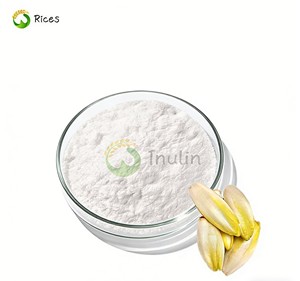
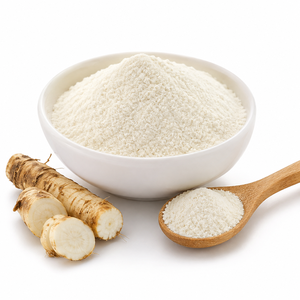
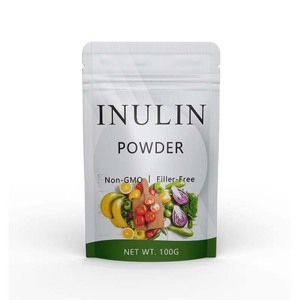
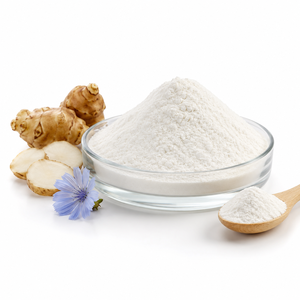
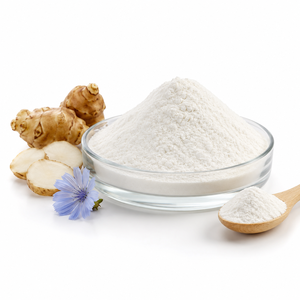
The convergence of metabolic health and microbiome science has created an immense market for synbiotic combinations. Formulators are pairing Berberine HCL directly with high-purity soluble prebiotic fibers like Chicory Root Inulin, Fructo-Oligosaccharides (FOS), and Isomalto-Oligosaccharides (IMO).
These fibers not only buffer digestive transit but also act as prebiotic substrates that amplify Berberine's modulation of gut microbiota (increasing short-chain fatty acid-producing bacteria such as Akkermansia muciniphila).
European regulatory bodies (EFSA) and North American authorities (FDA) have escalated scrutiny regarding botanical authenticity, ethylene oxide (EtO) residues, pyrrolizidine alkaloids (PAs), and heavy metal contamination. Enterprise buyers are shifting away from uncertified open-market brokers toward CE-certified, audit-ready manufacturing facilities capable of providing full supply chain traceability from raw root harvest to final drum packaging.
Combining US-based logistics, rigorous lab testing, and direct-from-mill scaling for seamless B2B raw material supply.
Headquartered in Aliso Viejo, California, Sunland Nutrition Inc maintains extensive domestic inventory positions. Standard catalog orders ship within 1 to 3 business days, drastically shortening lead times compared to traditional direct-import ocean freight timelines.
Every single shipment arrives with a comprehensive documentation package: batch-specific Certificate of Analysis (COA), Technical Data Sheet (TDS), Safety Data Sheet (SDS), Allergen Statements, Non-GMO verification, Kosher & Halal certificates, and heavy metal/microbiological screening data.
Over 13+ years, we have built audited relationships with specialized manufacturing mills across China, India, and North America. Every production site undergoes strict process control evaluations, ensuring lot-to-lot physical consistency, particle-size uniformities, and absolute compliance with international CE standards.
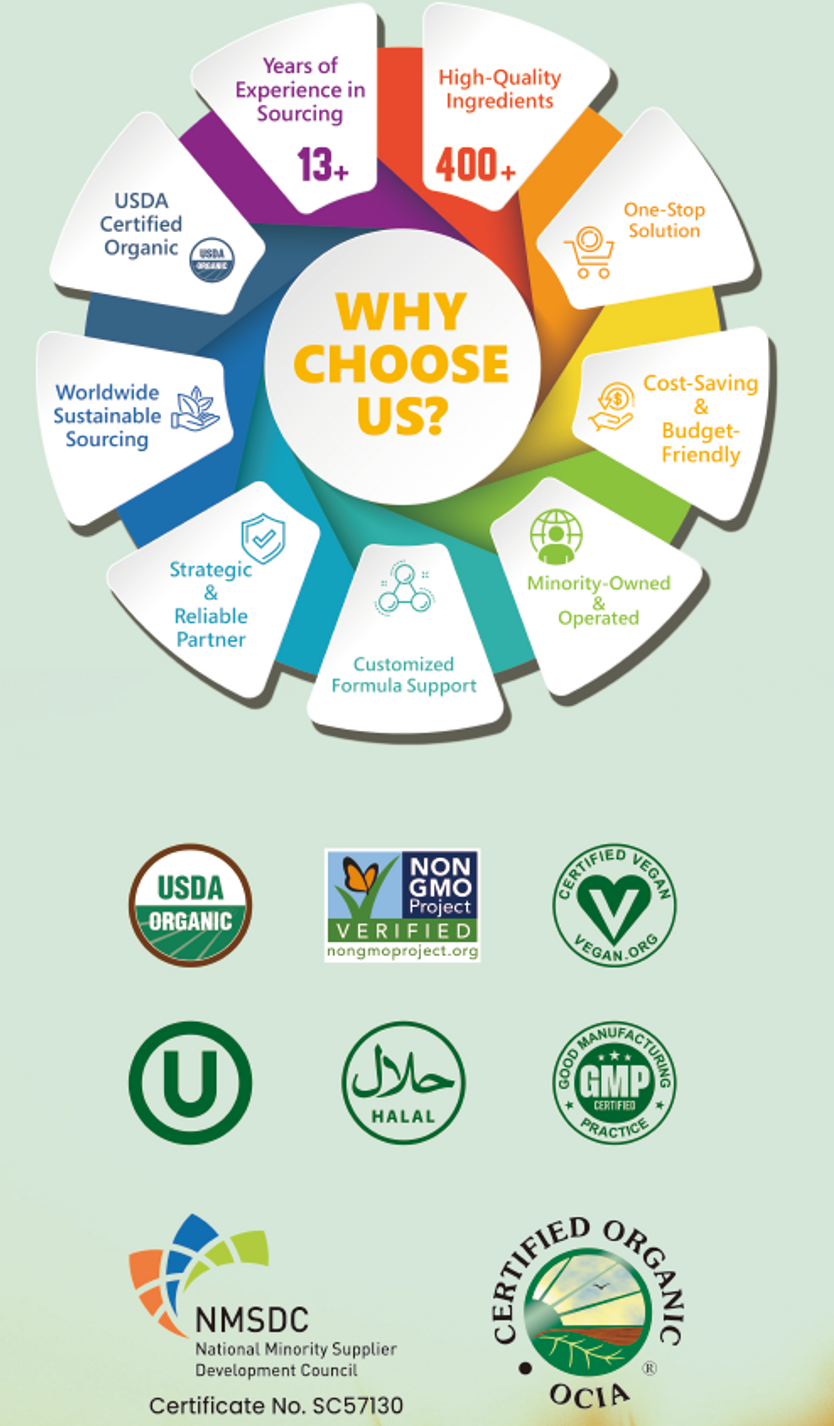
From raw botanical extracts to organic sweeteners, amino acids, and prebiotic fibers—streamline your vendor network under one trusted supplier.
Technical, logistical, and compliance answers for enterprise procurement teams.
Connect directly with our California ingredient specialists. Secure factory-direct pricing, custom micro-milling parameters, and guaranteed supply continuity for your production runs.