
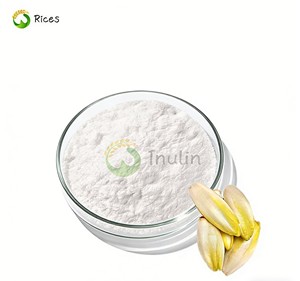


Direct factory supply of certified organic, high-solubility chicory root and Jerusalem artichoke dietary fibers tailored for nutraceuticals, functional beverages, and food manufacturing.
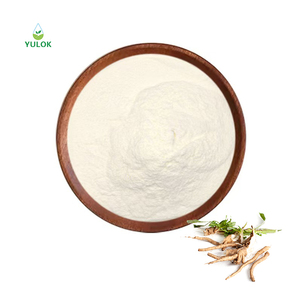
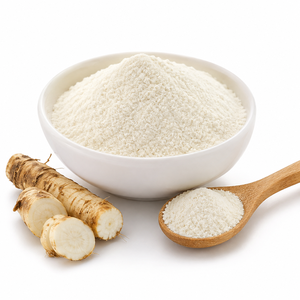
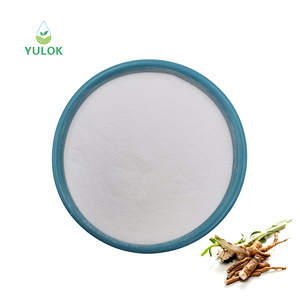
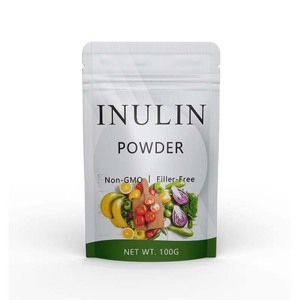
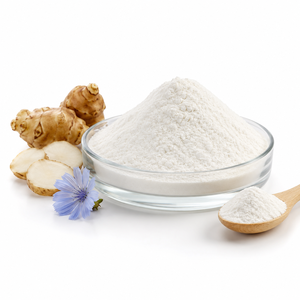
Combining US-based distribution accountability with direct audited manufacturing infrastructure to eliminate global supply chain fragility.
Every bulk shipment is fully certified according to European Economic Area (EEA) regulatory directives, featuring rigorous heavy metal screening, microbiological control, and pesticide residue verification.
Each container ships with complete QA validation packages: Certificate of Analysis (COA), Technical Data Sheets (TDS), MSDS, Allergen Statements, and NOP Organic documentation where applicable.
Maintain continuous production schedules through integrated distribution centers across North America and Asia-Pacific, offering flexible MOQs from 25kg pilot testing to full FCL shipments.
Inulin represents one of the most functionally versatile natural biopolymers in modern industrial food science and nutraceutical formulation. As a linear β-(2→1) fructan terminated by a glucosyl moiety, bulk inulin serves dual roles: a non-caloric soluble dietary fiber with high prebiotic efficacy, and a structural hydrocolloid capable of replacing fat and sugar without compromising organoleptic profiles. For procurement directors, formulation chemists, and quality assurance executives, evaluating CE certified bulk inulin suppliers requires a deep understanding of molecular chain lengths, plant source variations, thermal degradation kinetics, and global regulatory frameworks.
Not all inulin powders behave identically in industrial processing. The performance of bulk inulin is dictated entirely by its Degree of Polymerization (DP). Standard native chicory root inulin typically exhibits a DP ranging from 2 to 60 (average DP ≈ 10–12). High-Performance (HP) long-chain inulin, processed via specific thermal or enzymatic fractionations, removes short-chain oligomers (DP < 10) to yield an average DP ≥ 23. Understanding DP selection prevents processing bottlenecks like unwanted Maillard browning, premature hygroscopic clumping, or low thermal stability in UHT beverage operations.
Commercial bulk inulin is primarily extracted from two industrial crops: Chicory Root and Jerusalem Artichoke tubers. While both produce structurally chemically equivalent β-(2→1) fructosyl-fructose linkages, key functional nuances exist between the two raw material bases:
| Technical Parameter | Standard Chicory Inulin (90%+) | High-Performance (HP) Inulin | Jerusalem Artichoke Inulin |
|---|---|---|---|
| Degree of Polymerization (DP) | 2 – 60 (Avg: 10 – 12) | 10 – 60 (Avg: ≥ 23) | 2 – 45 (Avg: 8 – 10) |
| Relative Sweetness (Sucrose=100) | approx. 10% | 0% (Virtually Neutral) | 12% – 15% |
| Solubility in Water (20°C) | approx. 12% (120 g/L) | approx. 2.5% (Low Solubility) | approx. 15% (150 g/L) |
| Fat Replacement / Gelation Capability | Moderate (Forms soft cream-gel) | Excellent (Forms firm micro-gel network) | Low (Primarily bulking agent) |
| Thermal Stability (pH > 5.0) | Up to 140°C short time | Up to 160°C high stability | Up to 135°C short time |
| Primary Application Target | Dairy, Bakery, Fiber Fortification | Fat Replacer, Low-pH Liquids, RTDs | Organic Powders, Prebiotic Blends |
From a functional perspective, bulk inulin operates as a multi-functional ingredient. Its unique molecular architecture imparts distinct physical attributes when hydrated:
When high-purity inulin powder is sheared into water or liquid milk systems at concentrations exceeding 15–20%, it forms a three-dimensional particulate gel structure consisting of sub-micron inulin crystals. This micro-crystal network physically traps large quantities of water, mimicking the smooth texture, viscosity, mouthfeel, and lubrication properties of fat globules. This enables food engineers to reduce fat content in cream cheeses, dressings, spreads, yogurts, and ice creams by up to 50% without altering oral sensation or viscosity profiles.
Because human salivary and pancreatic enzymes (such as α-amylase and disaccharidases) lack the biochemical capacity to hydrolyze β-(2→1) glycosidic bonds, inulin passes through the stomach and small intestine structurally intact. Upon reaching the colon, it is selectively fermented by indigenous beneficial microbiota, notably Bifidobacterium and Lactobacillus species. This enzymatic fermentation produces short-chain fatty acids (SCFAs)—predominantly acetate, propionate, and butyrate—which drop luminal pH, enhance mucosal barrier integrity, improve mineral absorption (particularly Calcium and Magnesium), and modulate metabolic signaling. With a caloric value of only 1.5 kcal/g and a glycemic index of effectively zero, inulin is an essential tool for diabetic-friendly, keto, and weight-management formulations.
As the global functional food market shifts toward rigorous scientific validation and total clean-label transparency, several key trends are reshaping how procurement managers specify and contract bulk inulin supply:
Moving beyond basic single-ingredient fiber positioning, brand owners are formulating targeted synbiotics combining high-DP inulin with spore-forming probiotics (e.g., Bacillus coagulans). Inulin serves as a protected physical matrix and metabolic substrate, ensuring high survival rates during shelf storage and gastric transit.
International compliance standards are tightening. Enterprise buyers require suppliers to provide dual compliance: European CE marks for food safety management standards (ISO 22000 / FSSC 22000 audit verification) combined with NOP/EU Organic certification. Pure traceability from farm origin to micro-milling is now a mandatory vendor qualification metric.
Standard native inulin can present dispersion challenges in cold liquids, requiring high-shear mixing or thermal dissolution. The future market demands agglomerated, instantized inulin powders engineered for rapid cold-water dispersion, eliminating dusting in dry-blending facilities and preventing lump formation in instant beverage sachets.
Our manufacturing partners utilize state-of-the-art physical extraction processes to guarantee that the chemical integrity of the inulin molecule remains unaltered by harsh chemical reagents:
Direct technical answers to common questions raised by R&D scientists, quality assurance managers, and global supply chain officers.
Every lot shipped under our system includes a comprehensive lot-specific documentation package containing: an accredited Certificate of Analysis (COA), Technical Specification Sheet, Safety Data Sheet (SDS), Heavy Metal & Microbiological Assay Report, Allergen & GMO Free Statement, BSE/TSE Free Statement, and applicable CE / NOP Organic compliance certificates.
Inulin is highly stable in neutral-to-slightly-acidic media (pH 5.0 to 7.0) under standard thermal processing conditions (pasteurization, UHT, spray drying). However, in low-pH environments (pH < 4.0) exposed to high temperatures (> 80°C) over extended residence times, the β-(2→1) glycosidic linkages undergo partial acid hydrolysis into free fructose. For low-pH RTD beverages, we recommend High-Performance (HP) long-chain inulin or adjusting thermal processing profiles to minimize fructan breakdown.
Our standard bulk commercial packaging is 25 kg multi-wall paper bags with a food-grade PE inner liner, stacked and shrink-wrapped at 750 kg to 1,000 kg per pallet. For pilot formulation trials and R&D testing, sample quantities (1 kg to 5 kg) are available immediately. Production scale orders start at 500 kg, scaling up to 20-foot and 40-foot full container loads (FCL).
Yes. Under US FDA guidelines, inulin and inulin-type fructans (derived from chicory root or Jerusalem artichoke) are officially recognized as isolated or synthetic non-digestible carbohydrates that have physiological effects beneficial to human health, permitting them to be calculated toward total "Dietary Fiber" on Nutrition Facts panels. In the European Union (EFSA), inulin is classified as a recognized dietary fiber, and specific health claims regarding gut bowel function can be made when compliance conditions are satisfied.
Inulin possesses roughly 10% of the sweetness of sucrose but provides identical structural bulk, solids (Brix contribution), and mouthfeel. When formulated alongside high-intensity natural sweeteners like Monk Fruit Extract (Mogroside V) or Stevia (Reb-A / Reb-M), inulin restores the physical mass lost when sucrose is removed while masking the delayed sweetness onset and lingering aftertaste often associated with intense sweeteners.
When stored in its original unopened packaging in a cool, dry warehouse environment (temperature < 25°C, relative humidity < 60%), bulk inulin powder maintains a certified shelf life of 24 months from the date of manufacture. Because inulin is a hygroscopic powder, bags should be re-sealed immediately after sampling to prevent moisture uptake and caking.
Partner with an industry-trusted global supplier of CE certified bulk inulin. Connect directly with our technical team to discuss custom particle sizing, sample dispatch, or long-term contract pricing.