Direct from our state-of-the-art cGMP manufacturing facility. Standardized, allergen-free, and fully certified for global B2B nutraceutical & food formulations.
As global consumption patterns pivot decisively toward clean-label, hypoallergenic, and plant-based nutrition, Rice Protein Isolate (RPI) has established itself as a premier macro-nutrient alternative to dairy whey, soy, and pea proteins. China’s biotechnology and grain processing infrastructure leads the world in enzymatic fractioning of non-GMO brown and white rice (Oryza sativa). Modern industrial manufacturing has transcended outdated chemical extraction processes, adopting low-temperature enzymatic hydrolysis that preserves the delicate peptide structures, amino acid bio-availability, and neutral organoleptic profile required by demanding formulation scientists across North America, Europe, and Asia-Pacific.
Historically, rice protein was regarded merely as an agricultural by-product of starch syrup production. Today, through advanced micro-filtration, multi-stage centrifugal separation, and specialized enzymatic digestion (employing alpha-amylase and glucoamylase enzymes), Chinese export facilities produce Organic Rice Protein Isolate (80% and 90% protein levels on a dry basis) that delivers an amino acid spectrum exceptionally close to mother's milk and whey protein isolate.
Information Gain Benchmark: Unlike conventional pea protein isolate which often carries earthy, bitter off-notes and high sodium levels due to salt-precipitation manufacturing, enzymatic China Rice Protein Isolate maintains an ultra-low sodium profile (<0.1%), neutral taste, and exceptional digestibility without inducing gastrointestinal bloating or allergen reactions.
For brand owners, procurement heads, and R&D formulators, sourcing directly from an audited Chinese factory provides an unprecedented competitive edge in raw material cost control, batch-to-batch consistency, and custom physical specifications—ranging from 100 mesh standard powders to 300 micro-mesh cold-water dispersible instantized grades.
A central metric for evaluating plant protein efficacy is the Protein Digestibility-Corrected Amino Acid Score (PDCAAS) and the concentration of Branched-Chain Amino Acids (BCAAs: Leucine, Isoleucine, and Valine). BCAA content is vital for triggering muscle protein synthesis (MPS) via the mTOR signaling pathway.
Rice Protein Isolate contains approximately 8.0g to 8.6g of BCAAs per 100g of protein, with Leucine accounting for over 8.1%. When combined synergistically with soluble dietary fibers such as Chicory Root Inulin or Jerusalem Artichoke FOS, the resulting matrix delays gastric emptying, improves nitrogen retention, and fosters a healthy gut microbiome for enhanced nutrient absorption.
| Nutritional & Processing Parameter | Enzymatic Rice Protein Isolate (90%) | Pea Protein Isolate (80%) | Soy Protein Isolate (90%) | Whey Protein Isolate (90%) |
|---|---|---|---|---|
| Allergen Status | 100% Allergen-Free (Hypoallergenic) | Low Allergen (Requires warning in EU) | Major Allergen (FDA Top 9) | Major Allergen (Lactose & Dairy) |
| BCAA Concentration (per 100g) | ~18.2g / 100g Protein | ~16.0g / 100g Protein | ~17.1g / 100g Protein | ~22.0g / 100g Protein |
| Glutamic Acid & Arginine | Very High (~17.8g Glutamic Acid) | High (~16.5g Glutamic Acid) | High (~19.0g Glutamic Acid) | Moderate (~17.0g Glutamic Acid) |
| Digestibility Rate (PDCAAS) | 0.90 – 0.96 (High Digestibility) | 0.89 – 0.93 | 0.98 – 1.00 | 1.00 |
| Heavy Metal Risk Profile | Controlled (<0.05ppm Cd via process) | Moderate Sodium & Lectins | Phytoestrogens & GMO Risk | Hormone & Cholesterol content |
| Organoleptic Profile | Clean, cereal-neutral, low-flavor | Earthy, legumes, savory off-notes | Beany off-notes, high viscosity | Milky, fast oxidation |
As illustrated in the data visualization matrix above, Rice Protein Isolate provides an optimal compromise between high BCAA content and zero allergen risk. Formulators can easily blend Rice Protein (high in Cysteine and Methionine) with Pea Protein (high in Lysine) to construct a 100% complete protein matrix achieving a perfect 1.00 PDCAAS score.
Strategic procurement managers within major multinational food, sports nutrition, and dietary supplement enterprises are re-evaluating global supply chains. Three macro-trends dictate the immediate future of plant protein procurement from China:
Global food safety authorities (including California Proposition 65 and EU Regulation 2023/915) have enacted unprecedented limits on inorganic Cadmium, Lead, and Arsenic in plant-derived ingredients. Leading Chinese exporters utilize specialized grain selection from low-background geographical regions combined with physical enzymatic washing technology to guarantee Cadmium content below 0.05 mg/kg.
Traditional rice protein suffered from gritty mouthfeel due to insoluble starch-protein complexes. Modern factory trends emphasize high-pressure homogenization and jet-milling down to 300 mesh (<45 microns), allowing seamless incorporation into Ready-To-Drink (RTD) beverages, plant milk, and infant nutrition without sedimentation.
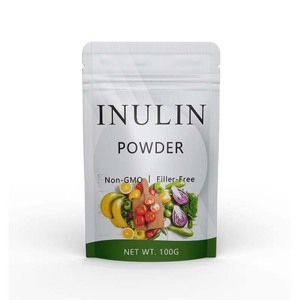
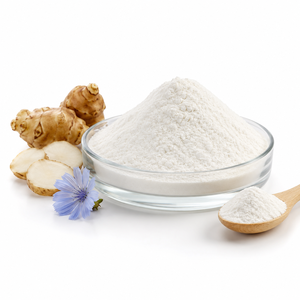
Procurement teams increasingly request co-processed or custom dry-blended mixtures of Rice Protein Isolate with Chicory Root Inulin (FOS/IMO). This dual functional matrix improves protein solubility, acts as a binder in protein bars, and enables dual front-of-pack claims: "High Protein" and "Supports Gut Health."
By establishing long-term contract manufacturing partnerships with verified Chinese exporters, brand owners ensure stable supply continuity, hedge against raw agricultural commodity price spikes, and gain direct access to customized OEM/ODM mesh sizes and organic certifications (USDA Organic, EU Organic).
As a flagship manufacturer and global exporter, our supply system operates under rigorous Quality Assurance frameworks aligned with international regulatory standards. Sourcing directly from our production base guarantees key structural advantages over intermediate brokers:
E-E-A-T Reliability Assurance: We offer comprehensive technical assistance, application recipe guidance for RTD drinks, meal replacements, vegan meat analogs, and sample kits accompanied by full analytical dossier packages for your internal QA approval team.
Find authoritative answers to technical, logistics, and quality assurance queries commonly raised by purchasing agents and product development scientists.
Answer: The percentage refers to the minimum protein concentration calculated on a dry-matter basis (N × 6.25). 80% Rice Protein Concentrate is typically utilized in protein powders, baking, and nutritional bars where cost efficiency is paramount. 90% Rice Protein Isolate undergoes additional enzymatic purification and filtration to remove residual carbohydrates and lipids, making it ideal for clinical nutrition, infant formula, and high-clarity RTD drink mixes requiring lower viscosity and minimal flavor impact.
Answer: Heavy metal accumulation in grains is tied to soil geochemistry and industrial exposure. Our facility implements a three-tier mitigation strategy: 1) Strict geographical sourcing from pristine, unpolluted paddy fields in northern China; 2) Raw grain testing prior to milling; 3) Patented physical micro-washing and enzymatic extraction steps that selectively isolate protein while leaving mineral residues in the soluble waste stream. Each batch complies with stringent EU Regulation (EU) 2023/915 and California Prop 65 thresholds.
Answer: Standard native rice protein is naturally water-insoluble. However, we manufacture specialized Hydrolyzed Rice Protein Peptides and Instantized Micro-Mesh Grades (300 mesh) processed with specific endo-peptidases. These specialized grades provide superior cold-water dispersion, reduced sedimentation rates, and low viscosity, enabling stable liquid formulations without gritty throat feel.
Answer: Every shipment is backed by a full document package including: Batch Certificate of Analysis (COA), Technical Data Sheet (TDS), Safety Data Sheet (SDS), Allergen Statement (confirming absence of Gluten, Soy, Milk, Nuts), Non-GMO Declaration, Heavy Metal & Pesticide Residue Test Reports, and USDA/EU Organic Certificates (where applicable).
Answer: Commercial production MOQ starts at 500 kg (20 bags × 25 kg per pallet). For pilot trials and R&D projects, lab-scale sample kits (1kg to 5kg) are available immediately. We offer extensive OEM/ODM customization including specific mesh sizes (100 to 300 mesh), custom protein/fiber ratio dry blends, private label packaging (super-sacks, 25kg multi-wall paper bags, or retail-ready pouches), and custom instantization with non-GMO sunflower lecithin.
Answer: Inulin acts as an exceptional functional hydrocolloid and prebiotic bulking agent. When blended with Rice Protein, Inulin masks residual cereal notes, enhances creamy mouthfeel, improves shelf-life moisture retention in protein bars, and feeds beneficial gut flora (Bifidobacteria), creating a complete synbiotic gut-and-muscle health solution.
Request batch-specific Certificates of Analysis, custom specification pricing, or reserve your R&D bench sample kit with our technical engineering team today.
Inquire Now