Explore our factory-direct, highly soluble non-GMO corn-derived resistant dextrin ingredients engineered for sugar-reduction, prebiotic fortification, and shelf-stable nutritional applications.
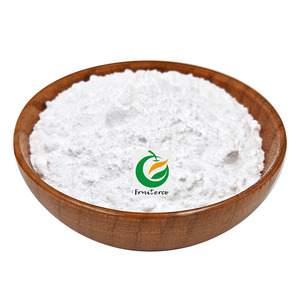
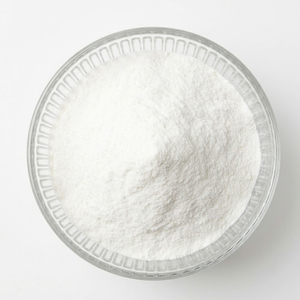
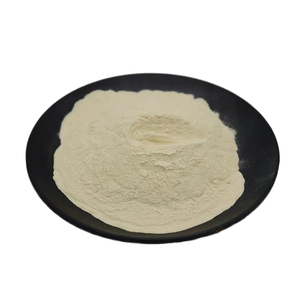
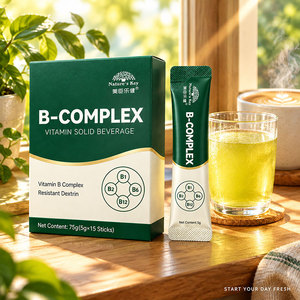
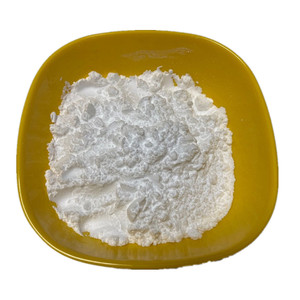

Resistant Dextrin (commonly designated under CAS 9004-53-9 and synonymous with Soluble Corn Fiber / Indigestible Dextrin) represents a sophisticated class of short-chain glucose polymers engineered to resist enzymatic breakdown in the human upper gastrointestinal tract. Unlike conventional corn starch or digestible maltodextrin—which undergo rapid hydrolysis by salivary and pancreatic α-amylase into free glucose—resistant dextrin undergoes a highly controlled dual-stage manufacturing process comprising thermal pyrolysis (acid-catalyzed dextrinization) followed by targeted enzymatic transglucosidation.
During this industrial modification of non-GMO corn starch, standard linear α-1,4 glycosidic bonds are partially cleaved and stochastically rearranged into complex indigestible linkages, including α-1,2, α-1,3, β-1,4, and β-1,6 bonds. Humans lack the digestive enzymes necessary to cleave these non-native glycosidic configurations. Consequently, over 85% to 95% of the high-molecular-weight polymer passes intact through the stomach and small intestine, reaching the large bowel where it serves as an ultra-clean prebiotic substrate.
From a structural standpoint, the unique branching degree prevents retrograde crystallization, giving Chinese-manufactured resistant dextrin an unprecedented stability profile across extreme pH conditions (pH 2.5 to 8.0) and severe thermal processing conditions (such as UHT pasteurization, retort sterilization, and high-heat extrusion baking).
For research scientists, product development managers, and commercial procurement leaders, resistant dextrin is prized not merely as an indigestible fiber, but as a multi-functional processing aid and sugar-reduction bulking agent. Below is an analytical performance summary comparing Resistant Dextrin against other commercial soluble fibers:
| Physicochemical Parameter | Resistant Dextrin (Corn Fiber) | Inulin (Chicory Root) | Fructo-Oligosaccharide (FOS) | Polydextrose |
|---|---|---|---|---|
| Caloric Density | 1.7 – 2.0 kcal/g | 1.5 – 2.0 kcal/g | 1.5 – 2.0 kcal/g | 1.0 – 1.2 kcal/g |
| Acid Stability (pH 2.5 - 4.0) | Excellent (No Hydrolysis) | Poor (Hydrolyzes to Fructose) | Moderate (Degrades in Acid) | Excellent |
| Thermal Resistance (>120°C) | Complete Structural Integrity | Maillard Browning & Breakdown | Thermal Degradation Risk | High Heat Resistance |
| Solution Viscosity (10% Conc.) | Ultra-Low (~ 1.5 - 2.5 mPa.s) | Moderate to High Gelling | Low | Low to Moderate |
| Digestive Tolerance (Gastro-Comfort) | High (>45g/day threshold) | Low to Moderate (Gas/Bloating) | Moderate (<15g/day limit) | Moderate (Laxation risk) |
| Clarity / Transparency in Water | 100% Crystal Clear | Slight Haze to Opaque | Clear | Clear to Light Yellow |
Because of its ultra-low viscosity (mirroring sucrose solutions) and zero hygroscopic clumping, Chinese resistant dextrin powder can be incorporated into RTD (Ready-To-Drink) functional beverages, clear protein waters, powder sachet sticks, and nutraceutical gummies without altering organoleptic texture or mouthfeel.
As global food and health supplement brands navigate aggressive sugar-reduction mandates and clean-label consumer demands, China has solidified its position as the premier international hub for high-capacity starch derivative processing. Sourcing managers analyzing the 2025–2030 ingredient landscape must evaluate several core market shifts:
A. Sugar Replacement Synergy with High-Intensity Sweeteners
Removing sucrose or high-fructose corn syrup from food matrixes leaves a critical solid void. High-intensity natural sweeteners like Organic Monk Fruit Extract or Stevia Reb-A/Reb-M provide intense sweetness but lack physical mass, mouthfeel, and freezing-point depression. Resistant dextrin serves as the ideal 1:1 sugar replacement bulking partner. It restores mouthfeel and body without adding glycemic sugar load or off-flavors.
B. Non-GMO Identity Preservation & Agricultural Traceability
Top Chinese manufacturers are investing heavily in identity-preserved (IP) Non-GMO maize sourcing from northeastern agricultural belts. Leading global buyers require comprehensive PCR (Polymerase Chain Reaction) testing verification, USDA Organic documentation, and batch-level origin certificates to satisfy North American and European compliance mandates.
C. Dual-Hub Logistics: US Warehousing + Mill-Direct Containers
To mitigate international shipping friction and port congestion, mature sourcing frameworks now utilize a hybrid procurement model. Strategic partners (such as Sunland Nutrition) maintain buffer stocks in domestic US logistics facilities (e.g., California warehouses) for 1-3 day dispatch of pilot batches, while simultaneously coordinating direct 20ft/40ft container ocean freight shipments from modern Chinese production mills for maximum cost optimization.
Aligning with Google's E-E-A-T (Experience, Expertise, Authoritativeness, and Trustworthiness) criteria, our manufacturing and distribution infrastructure operates under a multi-tier quality assurance protocol. We ensure that every metric ton of resistant dextrin shipped meets rigorous global pharmacopeial and food safety standards:
Direct answers to the most common questions raised by quality assurance, R&D formulators, and global supply managers.
Resistant dextrin derived from corn starch enjoys broad global regulatory acceptance. In the United States, it is recognized as a Generally Recognized as Safe (GRAS) dietary fiber under US FDA regulations and qualifies as dietary fiber under the FDA's updated nutrition labeling definitions. In Europe, it is classified as a non-novel food ingredient compliant with EFSA dietary fiber guidelines. Furthermore, it holds approved health claim frameworks regarding blood glucose attenuation and intestinal regularity.
Every lot shipped from our mills includes a lot-matched Certificate of Analysis (COA), Technical Specification Sheet, Safety Data Sheet (SDS), Allergen Statement, GMO Statement, and manufacturing flow chart. Certified Organic, Kosher, and Halal documentation is provided based on the specific grade requested. Heavy metal, micro, and residual solvent testing logs are fully accessible for vendor qualification audits.
Standard MOQ for factory-direct ocean container shipments starts at 1,000 kg (1 metric ton), scaling up to full 20ft (approx. 15-18 MT) or 40ft (approx. 25 MT) FCL loads. For North American customers requiring immediate pilot scale or emergency inventory, items stocked in our US warehouses (Aliso Viejo/California facilities) can ship in 25 kg bag increments within 1–3 business days. Direct mill programs run 4–6 weeks lead time.
Yes. Because the complex glycosidic bonds resist enzymatic cleavage in the stomach and small intestine, resistant dextrin exhibits a minimal Glycemic Index (GI < 15) and Insulimic Index. It does not cause rapid blood glucose elevation, making it fully compatible with Keto-certified snacks, diabetic dietary drinks, and low-calorie food products.
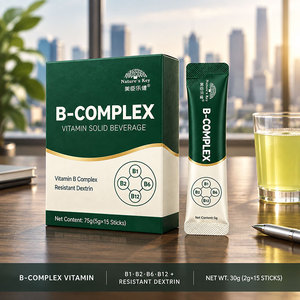
Absolutely. In addition to supplying bulk raw powders (70%, 90%, 95% purity), we offer full OEM/ODM contract manufacturing services. This includes dry-powder blending of resistant dextrin with active ingredients like Vitamin B complex, amino acids, natural sweeteners, and plant extracts, packaged directly into consumer-ready sachets, stick packs, or rigid tubs under private label agreements.
Unlike inulin or fructo-oligosaccharides (FOS)—which hydrolyze into free fructose under low pH or elevated heat—resistant dextrin maintains 100% structural stability across pH 2.5 to 8.0 and temperatures exceeding 120°C. It will not break down into simple sugars during baking, extrusion, or thermal pasteurization, ensuring that your calculated fiber claims remain accurate throughout shelf life.
Yes. Laboratory-scale samples (typically 250g to 1kg sample units) complete with batch COAs are available free of charge to qualified R&D scientists, formulators, and commercial procurement teams so sensory, solubility, and stability trials can proceed prior to commercial scaling.
Accelerate your product development with certified Non-GMO Soluble Corn Fiber. Contact our technical sales team for bench samples, full specification dossiers, and instant factory-direct price quotes.