
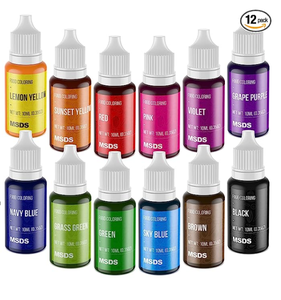


Explore our specialized portfolio of certified food dyes, edible pigment pastes, metallic micas, and silicone molding colorants engineered for global food processing and industrial manufacturing.
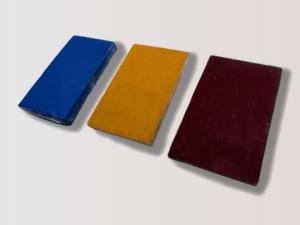
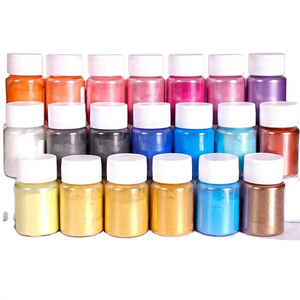
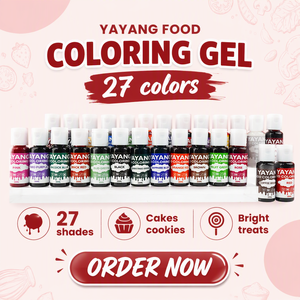
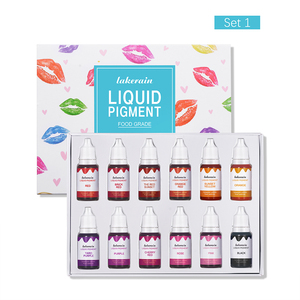
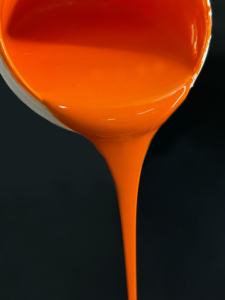
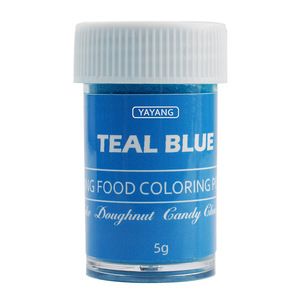
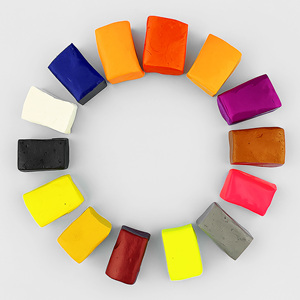
An authoritative review on the rheological, chemical, and physical parameters governing industrial food color manufacturing, matrix compatibility, and global compliance.
The industrial formulation of food colors requires meticulous balancing of hydrophilic and lipophilic properties depending on the destination food matrix. In aqueous systems, such as carbonated RTD beverages and confectionery gels, water-soluble dyes or micronized lake dispersions must maintain thermodynamic equilibrium without precipitation over extended shelf-life cycles.
Conversely, lipid-rich substrates like cocoa butter, compound chocolates, and oil-based bakery icings require hydrophobically modified colorants. Utilizing optimized emulsifier systems—such as polyglycerol polyricinoleate (PGPR) or lecithin-bound pigment complexes—our custom formulations prevent dye migration, lipid bloom, and graininess, delivering uniform optical density.
Industrial thermal processing—including ultra-high temperature (UHT) pasteurization, HTST processing, and high-heat bakery extrusion—exerts intense stress on chromophore molecules. Synthetic lakes traditionally provided robust heat resistance, but the rapid transition toward clean-label botanical extracts (such as Spirulina Phycocyanin, Beetroot Betalains, and Curcuminoids) has introduced significant stability challenges.
Through proprietary microencapsulation technologies and natural antioxidant co-factors (e.g., ascorbic acid esters and rosemary oleoresins), our OEM factory extends the degradation half-life of delicate natural pigments, ensuring color fidelity after high-temperature extrusion and extended retail lighting exposure.
In low water activity environments (a_w < 0.6), such as chocolate and fat-based fillings, water-soluble liquid colors induce sugar crystallization and fat blooming. Our specialized oil-based food color liquids and solid micro-dispersed silicone paste pigments eliminate free moisture, preventing clumping while ensuring hyper-vibrant color saturation without altering product viscosity.
Compare performance characteristics across primary colorant systems to optimize your product formulation and regulatory submission.
| Colorant Category | Primary Physical Form | Optimal Matrix Compatibility | Thermal Fastness (°C) | pH Range Stability | Regulatory Status (FDA / EU) |
|---|---|---|---|---|---|
| Hydrophilic Gel Colors | High-Viscosity Aqueous Gel | Icings, Fondant, Macarons, Doughs | Up to 180°C | pH 3.0 – 8.5 | Fully Compliant / 21 CFR Approved |
| Lipophilic Oil-Based Dyes | Liquid Oil Dispersion | Chocolate, Compound Coating, Buttercream | Up to 200°C | Broad pH Tolerance | FDA Approved / Halal Certified |
| Edible Mica Luster Dust | Sub-Micron Coated Powder | Confectionery, Liquors, Bakery Dusting | Up to 300°C | Stable (pH 2.0 – 10.0) | 21 CFR 73.350 / EU E172 Compliant |
| Silicone Molding Pastes | High-Density Liquid / Solid Paste | Food-Grade Silicone, Kitchenware, Teethers | Up to 250°C (Vulcanized) | N/A (Inert Polymer) | FDA 21 CFR 177.2600 / RoHS / REACH |
| Natural Botanical Lakes | Microencapsulated Powder | Plant-Based Meats, RTD Drinks, Dairy | Up to 140°C | pH 4.0 – 7.0 | Clean Label / USDA Organic Compliant |
Leverage Sunland Nutrition’s state-of-the-art US infrastructure, qualified global mill network, and strict analytical quality control for seamless supply chain scaling.
With strategically located warehousing in Aliso Viejo, California, we maintain robust inventory buffers on high-demand color pastes, gel dyes, and food-grade pigments. This enables rapid 1–3 business day domestic dispatch for pilot runs and emergency replenishment, eliminating foreign lead time friction.
Every single production batch undergoes rigorous HPLC chromatography, ICP-MS heavy metal screening (Pb, As, Cd, Hg), microbiological validation, and spectrophotometric color shade verification. Complete documentation—including batch-specific COAs, MSDS, Allergen Statements, and Non-GMO certifications—accompanies every delivery.
Our R&D laboratory utilizes advanced CIELAB color space spectro-colorimetry to match target Pantone, RAL, or customer-supplied benchmark samples with Delta E (ΔE) < 0.5 precision. We formulate custom liquid, gel, or powder concentrates tailored specifically to your plant’s dosing equipment.
Stay ahead of global market shifts, regulatory evolution, and consumer-driven clean-label demands.
The global food coloring market is undergoing a seismic transition away from synthetic Red 40, Yellow 5, and Blue 1 toward plant-derived and fermentation-based alternatives. Driven by stringent European Food Safety Authority (EFSA) warnings and shifting US consumer preferences, brands are reformulating with anthocyanins, paprika oleoresin, chlorophyllins, and fermentation-derived carotenoids.
Our OEM facility provides specialized stabilization solutions that solve the historical limitations of natural colors—such as thermal fading and light sensitivity—allowing food manufacturers to claim "No Artificial Colors" without compromising shelf-life aesthetics.
Regulatory scrutiny on skin contact and food contact materials has blurred the line between food additives and industrial colorants. Modern consumer demand for non-toxic silicone kitchenware, baby teethers, and cosmetic lip glosses requires pigments that comply with food additive safety standards.
Our FDA-compliant silicone molding pastes and cosmetic-grade liquid pigments undergo rigorous leaching tests, RoHS, REACH, and Halogen-Free testing to ensure total chemical inertness, heavy metal safety, and zero toxic migration under elevated thermal curing temperatures.
Global supply chain volatility has highlighted the risks of single-source overseas procurement. Leading food brands are shifting toward dual-sourcing strategies combined with domestic warehouse call-off contracts.
Sunland Nutrition’s hybrid operational model—combining direct-from-mill cost advantages with California warehouse safety stock—provides global brand owners with guaranteed lead times, shielding production schedules from port congestion and international shipping delays.
As specialty dietary segments (Keto, Vegan, Halal, Kosher, Organic) expand, manufacturers require customized colorant systems produced in smaller, flexible batch sizes. Mass-scale chemical suppliers often demand multiton MOQs that lock up capital and risk inventory expiration.
Our OEM factory offers flexible contract manufacturing programs, providing custom-blended, high-concentration gels, pastes, and powders starting at accessible minimum quantities for pilot trials, scaling seamlessly to full container loads.
From initial laboratory bench trials to commercial-scale cleanroom blending, our structured process ensures complete lot-to-lot consistency.
We analyze your target color, substrate matrix, pH, thermal exposure, and regulatory target (FDA/EU/Halal).
Our lab formulates 20ml–100g prototype samples matching your target Delta E, accompanied by a draft COA.
Accelerated heat, photolytic, and shelf-life testing is conducted to verify pigment stability and zero migration.
Upon sign-off, high-shear cleanroom blending produces your custom order with full lot-traceability coding.
Final analytical testing ensures compliance before fast dispatch from our US warehouse or direct ocean freight.
Our raw materials and manufacturing facilities strictly adhere to international quality benchmarks, supporting your brand’s label claims globally.
 USDA Organic
 ISO / cGMP Quality
 Industry Member
 SFA 2026 Partner
Get immediate clarity on minimum order quantities, compliance documentation, custom color matching, and global logistics.
Every shipment is accompanied by a batch-specific Certificate of Analysis (COA) detailing color value/assay, heavy metal concentration (Lead, Arsenic, Cadmium, Mercury), microbiological limits, and moisture content. Additionally, we provide Technical Data Sheets (TDS), Safety Data Sheets (SDS), Allergen Declarations, Non-GMO Statements, and applicable Kosher, Halal, or USDA Organic certificates upon request.
Water-based gel colors utilize hydrophilic carriers (such as glycerin, sorbitol, or water) that dissolve smoothly in aqueous matrices like fondant, macarons, icings, and beverage bases. Oil-dispersible colors (lipophilic pastes or lakes) are specifically engineered with fat-soluble carriers to color lipid-heavy substrates like chocolate, compound coatings, cocoa butter, and lip balms without causing seizing, sugar bloom, or graininess.
Yes. Our silicone liquid and solid paste colorants are engineered using food-grade inorganic pigments and inert silicone fluid carriers. They comply with FDA 21 CFR 177.2600 (Rubber articles intended for repeated use) as well as European RoHS, REACH, and Halogen-Free standards, making them completely safe for food-contact silicone molds, kitchenware, baby teethers, and medical-grade silicone components.
Absolutely. Our R&D laboratory utilizes CIELAB spectro-colorimetry to match precise Pantone, RAL, or physical benchmark samples provided by your technical team. We perform accelerated stability and photolytic fastness testing in your specific base matrix to ensure the color remains vibrant throughout your product's target shelf life.
Standard stocked products maintained at our California warehouse feature low MOQs (starting from 25 kg drums or standard kit cases) with domestic shipment in 1–3 business days. Custom OEM formulations or specialized mill runs typically require a 100 kg to 500 kg minimum depending on the raw material, with production lead times averaging 3 to 5 weeks.
Edible luster dusts are manufactured by coating natural potassium aluminum silicate (mica) platelets with food-grade titanium dioxide (E171 / 21 CFR 73.350) and/or iron oxides (E172). Light refraction through these microscopic layers creates shimmering metallic effects without using synthetic metals. They are non-toxic, heat-stable up to 300°C, and widely approved for beverage clarity, chocolate surface decorating, and confectionery coatings.
Whether you require custom color matching, clean-label natural pigment stabilization, or bulk FDA-compliant silicone color pastes, our technical sales specialists are ready to support your project.