Explore fully certified food-grade and pharmaceutical-grade soluble fiber powders, non-glycemic polyols, and custom functional ingredient options stocked in US warehouses.
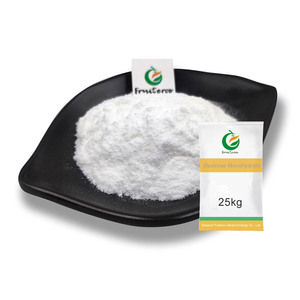
Evaluating vendor capability, degree of polymerization (DP), analytical documentation, and global supply chain resilience for enterprise food and supplement brands.
When enterprise procurement leads and technical R&D directors query search engines for "Top 10 Polydextrose Powder Supplier & Suppliers", their search intent extends far beyond a simple list of company names. Modern industrial buyers demand actionable information gain: strict analytical specifications, regulatory compliance status, supply reliability guarantees, and formulation compatibility.
Polydextrose (CAS registry number 68424-04-4) serves as a multi-functional bulk ingredient. It is a synthesized, highly branched soluble dietary fiber produced via the vacuum condensation of D-glucose, sorbitol, and a food-grade acid catalyst. Because of its complex 1,6-glycosidic linkages (along with 1,2-, 1,3-, and 1,4- bonds), it resists mammalian digestive enzymes, making it a low-calorie (1 kcal/g), non-glycemic bulking agent widely utilized in sugar reduction, calorie control, and prebiotic functional foods.
In accordance with Google's Search Quality Rater Guidelines, establishing Experience, Expertise, Authoritativeness, and Trustworthiness (E-E-A-T) requires rigorous qualification of raw material vendors. Sourcing high-purity Polydextrose powder requires verifying several critical parameters:
1. Analytical Assay Purity: Confirmation of ≥90% soluble fiber via AOAC 2000.11 or AOAC 990.26 methodology.
2. Monomer & By-Product Control: Maintenance of free glucose levels under 4.0% and free sorbitol under 2.0%.
3. Heavy Metal & Microbiological Safety: Strict limits on lead (≤0.5 ppm), arsenic (≤0.5 ppm), and zero tolerance for Salmonella or E. coli.
4. Global Certifications: Audit-ready documentation including USDA Organic, Kosher, Halal, ISO 22000, FSSC 22000, and Non-GMO Project verification.
Direct comparative benchmark of Polydextrose Powder Type I, Type II (Hydrogenated), and Neutralized Grades.
| Specification Parameter | Standard Powder (Type I) | Refined / Neutralized (Type II) | Hydrogenated Polydextrose | Analytical Test Method |
|---|---|---|---|---|
| Dietary Fiber Content (Dry Basis) | ≥ 90.0% | ≥ 90.0% | ≥ 90.0% | AOAC 2000.11 / HPLC |
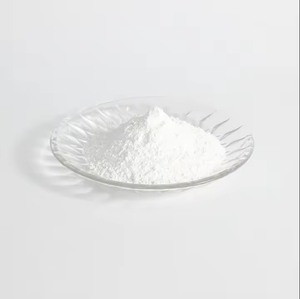
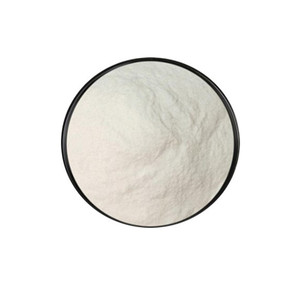
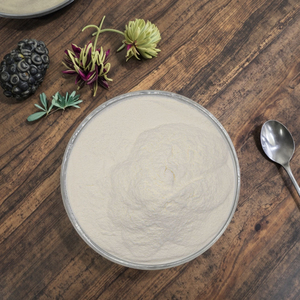
| Appearance | White to Off-White Powder | Pure White Powder | Fine White Powder | Visual Inspection |
| pH Value (10% Solution) | 2.5 – 3.5 (Slightly Acidic) | 5.0 – 6.0 (Neutralized) | 5.5 – 7.0 (Neutral) | Potentiometric pH Meter |
| Caloric Value | 1.0 kcal / gram | 1.0 kcal / gram | 1.0 kcal / gram | Atwater Factor Calculation |
| Free D-Glucose | ≤ 4.0% | ≤ 4.0% | ≤ 0.5% (Reduced) | High-Performance Liquid Chromatography |
| Free Sorbitol | ≤ 2.0% | ≤ 2.0% | ≤ 2.0% | HPLC |
| Moisture Content / Loss on Drying | ≤ 4.0% | ≤ 4.0% | ≤ 4.0% | Vacuum Drying 105°C |
| Residue on Ignition (Ash) | ≤ 0.3% | ≤ 2.0% (Sodium salts) | ≤ 0.3% | Muffle Furnace 600°C |
| Heavy Metals (as Pb) | ≤ 0.5 ppm | ≤ 0.5 ppm | ≤ 0.5 ppm | ICP-MS |
Key macroeconomic and scientific shifts influencing global supply chain decisions from 2026 to 2030.
Global public health initiatives targeting diabetes and obesity continue to drive clean-label sugar replacement. Polydextrose provides essential 1:1 solid weight replacement when removing sucrose, restoring solids, viscosity, and mouthfeel without compromising freezing point depression in frozen desserts or solids concentration in confectionery.
Scientific interest in short-chain fatty acid (SCFA) generation (specifically acetate, propionate, and butyrate) has positioned polydextrose as a premier low-gasser prebiotic soluble fiber. Formulators are increasingly blending polydextrose with resistant dextrin, FOS, and probiotic strains for synergistic digestive health product claims.
Procurement teams are moving away from single-source direct maritime shipments toward hybrid supply models. Maintaining US-based warehouse buffer inventory (e.g., California, Illinois, Texas) ensures 24-to-72 hour dispatch, mitigating international shipping volatility and mill production bottlenecks.
An overview of how top global suppliers, manufacturers, and stockists compare across crucial commercial capabilities.
Direct manufacturers operate massive continuous vacuum-polymerization plants. Key advantages include scale, competitive base pricing, and direct customization of degree of polymerization. However, minimum order quantities (MOQs) typically start at full container loads (FCLs 18–20 MT), with transit lead times stretching from 6 to 10 weeks.
Ideal for: High-volume global CPG brands with established 12-month rolling forecasts and dedicated import compliance departments.
Enterprise ingredient distributors—such as Sunland Nutrition Inc—bridge the gap between primary mills and brand operations. By maintaining audited US warehouse stock, providing lot-specific COAs with every pallet, offering 25 kg bag trial quantities, and supporting custom polyol-fiber system blending, they drastically lower supply disruption risks.
Ideal for: Fast-growing nutraceutical, beverage, and bakery manufacturers requiring rapid scale-up, zero stock-out risk, and immediate technical QA support.
How technical developers utilize polydextrose powder for fiber enrichment, sugar reduction, and structural stability.
In low-sugar cookies, cakes, and snack bars, sucrose removal causes significant volume loss and texture degradation. Polydextrose restores bulking weight, retains moisture due to high humectancy, and participates in controlled Maillard reactions to deliver desirable crust browning without scorching at temperatures up to 160°C.
When formulating keto-friendly or low-sugar ice creams and plant-based frozen desserts, polydextrose depresses the freezing point similarly to sugar, preventing ice crystal growth and maintaining a creamy, spoonable texture over shelf-life storage.
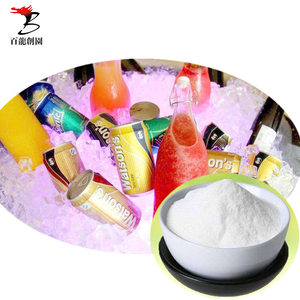
With an 80% solubility limit in cold water and high clarity in solution, Polydextrose Type II (neutralized grade) adds subtle body and viscosity to zero-sugar sports drinks, prebiotic sodas, and protein waters without altering flavor profiles or causing precipitation.
Follow this verification workflow before finalizing purchase orders with candidate suppliers.
Ensure your supplier’s Certificate of Analysis (COA) explicitly cites AOAC 2000.11 or AOAC 990.26. Inaccurate assay testing methods can overestimate dietary fiber content by counting non-fiber low molecular weight species.
Review free D-glucose and free sorbitol specifications. Excess residual glucose raises caloric content and blood glucose impact, while elevated sorbitol may trigger unexpected laxative thresholds in high-fiber foods.
Unneutralized Polydextrose (Type I) has a pH of 2.5–3.5, which can curdle dairy protein systems or clash with delicate vanilla notes. Verify whether your application requires Type II (Neutralized) or Hydrogenated material.
Confirm that the production facility maintains GFSI-recognized certifications (FSSC 22000, BRCGS, or ISO 22000) and provides complete traceability from starch feedstock to finished powder packaging.
Demand batch-specific ICP-MS heavy metal screening (Lead ≤0.5ppm, Arsenic ≤0.5ppm, Cadmium ≤0.1ppm, Mercury ≤0.1ppm) alongside negative screening for E. coli, Salmonella, and Staphylococcus aureus.
Inquire about local warehousing options, safety stock commitments, and lot-reservation policies so your manufacturing lines never face downtime due to port congestion or customs holds.
Clear, authoritative answers to common technical and commercial queries raised by ingredient buyers.
Delivering global sourcing excellence, audit-ready compliance, and localized supply security since 2012.