Executive B2B Sourcing Guide: Top 10 Stevia Powder Factories & Exporters
As consumer preference shifts decisively away from synthetic high-intensity sweeteners such as aspartame, acesulfame potassium (Ace-K), and sucralose, global food and beverage formulators are accelerating their transition toward natural plant-derived sweeteners. Stevia leaf extract (Stevia rebaudiana Bertoni) stands at the pinnacle of this revolution, offering zero-calorie sweetness with up to 350 to 400 times the intensity of sucrose (table sugar).
However, navigate the international supplier landscape requires rigorous analytical due diligence. Procuring stevia powder at enterprise scale involves far more than comparing price per kilogram. Procurement directors, R&D scientists, and Quality Assurance managers must evaluate steviol glycoside composition profiles (Reb-A, Reb-D, Reb-M, STV), extraction and purification technology, enzymatic modification capabilities, pesticide residue controls, heavy metal thresholds, and supply chain redundancy.
"The strategic selection of a Stevia factory determines not only your unit economics, but the exact sensory profile of your final formulation—specifically controlling linger, early-onset sweetness, and bitter off-notes." — Strategic Ingredient Insights, 2025.
Evaluating the Global Top 10 Stevia Manufacturing & Export Ecosystem
The global production of stevia extracts is heavily concentrated in specialized agricultural and technological hubs. Over 75% of raw stevia leaf extraction occurs within mainland China (principally Shandong, Jiangsu, Heilongjiang, and Anhui provinces), while secondary processing, biotransformation, and specialized formulation blending take place across North America, Europe, and Southeast Asia.
When shortlisting the Top 10 Stevia Powder Factories & Exporters, industry benchmarks categorize suppliers into three distinct operational tiers:
- Tier 1: Primary Agricultural Extractors & Refiners. Large-scale industrial processing facilities located near farming cooperatives. These facilities specialize in green-water solvent extraction, resin adsorption, and bulk crystallization yielding total steviol glycosides (TSG) ≥95% and Rebaudioside A (Reb-A) ranging from 60% to 99% purity.
- Tier 2: Enzymatic & Bio-Conversion Innovators. Advanced biochemical processors utilizing enzymatic transglycosylation or precision fermentation. These factories convert minor glycosides (such as Reb-D and Reb-M) to yield clean-taste profiles virtually indistinguishable from cane sugar.
- Tier 3: Integrated Formulation & Solution Providers (e.g., Sunland Nutrition Inc). US-anchored procurement and application partners that combine primary stevia extraction with functional bulk carriers (such as Organic Inulin, Allulose, Erythritol, and FOS). They maintain audited supply lines, domestic warehouse inventory, and full cGMP compliance files.
| Stevia Product Grade |
Typical Purity (HPLC) |
Sweetness vs. Sucrose |
Sensory Profile & Linger |
Best Application Fit |
| Rebaudioside A (Reb-A 60%–95%) |
60.0% – 95.0% TSG |
200x – 300x |
Moderate early sweetness; noticeable licorice/bitter linger at high dosage |
Bakery, low-cost beverages, dry mix blends |
| Rebaudioside A (Reb-A 97%–99%) |
97.0% – 99.0% Pure |
300x – 350x |
Clean initial hit; minimal off-notes when buffered with prebiotic fiber |
Dietary supplements, RTD sports drinks, dairy |
| Enzymatically Modified Stevia (EMS) |
Glucosyl Steviol Glycosides |
120x – 200x |
Significantly reduced bitterness; smooth sweetness onset curve |
Tabletop sweeteners, chocolate, high-acid juices |
| Rebaudioside M (Reb-M 95%) |
≥95.0% Reb-M |
350x – 400x |
Sugar-identical taste; instant onset; zero bitter or metallic linger |
Premium zero-sugar sodas, clear RTDs, functional nutrition |
| Stevia + Inulin Prebiotic Compound |
Custom Co-Processed |
1x – 10x (Tailored) |
Full mouthfeel restoration; non-glycemic bulking; fiber enrichment |
Keto baking, frozen desserts, meal replacement powders |
Product Development & Sensory Science: Overcoming Stevia Off-Notes
While standard Stevia Reb-A 60% or 80% offers an attractive cost-in-use metric, high addition levels in low-calorie beverages often lead to a lingering licorice or metallic aftertaste. This sensory phenomenon is caused by the binding of steviol glycosides to human bitter taste receptors TAS2R4 and TAS2R14.
To eliminate this bottleneck and achieve commercial formulation success, leading flavor chemist teams and ingredient exporters utilize two strategic methodologies:
1. Next-Generation Glycoside Fractionation (Reb-D & Reb-M)
Rebaudioside M and Rebaudioside D possess a bulkier molecular structure with additional glucose units attached to the steviol backbone. This configuration prevents deep binding to bitter taste receptors while delivering an instant, sucrose-like sweetness curve. Premier factories have invested heavily in enzymatic conversion technology (utilizing glucosyltransferase enzymes) to scale Reb-M output at commercially viable price points.
2. Synergistic Blending with Prebiotic Dietary Fibers (Inulin & FOS)
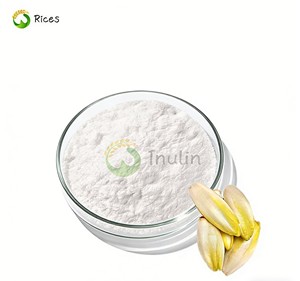
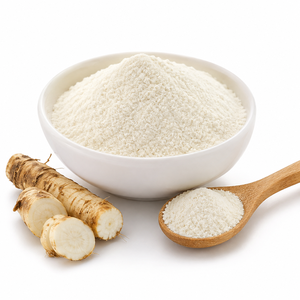
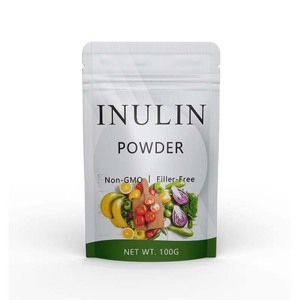
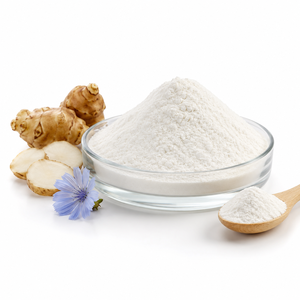
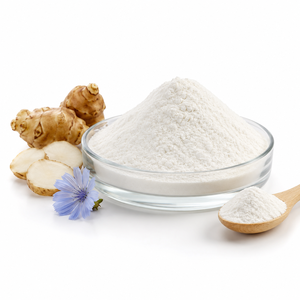
High-intensity sweeteners lack the physical volume, freezing-point depression, browning reaction (Maillard response), and viscosity of real sugar. Combining high-purity Stevia powder with Water-Soluble Chicory Root Inulin Powder (90% Purity) or Fructo-Oligosaccharide (FOS) solves both sensory and functional challenges simultaneously.
Inulin acts as a natural bulking carrier, providing mouthfeel and body while masking residual bitterness through physical matrix entrapment. Furthermore, this pairing allows brand owners to make dual front-of-pack claims: "Zero Sugar Added" and "Good Source of Prebiotic Fiber."
Future Procurement Trends in Stevia & Natural Sweetener Markets (2025–2030)
The global sugar-reduction industry is entering a sophisticated new era driven by regulatory pressures (sugar taxes in Latin America and Europe), clean-label consumer movements, and breakthroughs in synthetic biology. Strategic buyers must align their supply chains with the following macroeconomic trends:
1. Transition Toward Biotransformed & Fermented Reb-M
While classical leaf extraction remains essential for standard Reb-A, scaling pure leaf-derived Reb-M is constrained by natural plant yields (Reb-M accounts for less than 1% of dry leaf mass in traditional stevia cultivars). As a result, Tier 1 exporters are rapidly expanding bioconversion facilities that convert abundant leaf extracts into Reb-M using specialized enzymes. Furthermore, precision fermentation—producing steviol glycosides directly from engineered yeast strain fermentation tanks—is gaining significant regulatory approvals worldwide.
2. Organic NOP Compliance & Traceability Mandates
The USDA National Organic Program (NOP) and EU Organic regulations have tightened enforcement regarding extraction solvents. Exporters using synthetic chemical solvents or non-certified resins face rejection at customs. Procurement teams are prioritizing factories utilizing 100% water-only extraction processes and fully traceable, organic-certified agricultural farm groups.
3. Co-Crystallized Multi-Ingredient Sweetener Systems
Stand-alone high-intensity powders present handling challenges in commercial manufacturing, including dusting, static charge, and dispersion difficulties in cold water tanks. Future procurement contracts are shifting toward co-crystallized or spray-dried sweetener compounds—such as Stevia + Erythritol + Inulin or Stevia + Allulose—engineered with exact particle size matching (mesh sizes 60 to 100) to prevent separation during dry blending.
Corporate Partner Spotlight: Sunland Nutrition Inc Advantages
Sunland Nutrition Inc stands out as an industry-trusted US-based partner for functional raw materials, natural sweeteners, and prebiotic fiber systems. Founded in 2012 and headquartered in Aliso Viejo, California, Sunland Nutrition bridges the gap between Asian extraction mills and Western finished-product manufacturers.
- Vetted Manufacturing Base: Sunland Nutrition audits every primary extraction plant on critical quality parameters including ISO22000, FSSC22000, cGMP compliance, pesticide residue limits (USP/EP standards), and heavy metal thresholds (Lead <1ppm, Arsenic <1ppm, Cadmium <1ppm, Mercury <0.1ppm).
- Rapid Domestic Fulfillment: Maintaining extensive stock positions in US warehouses, Sunland dispatches sample requests and commercial order volumes (from 25kg drums to multi-pallet orders) within 1 to 3 business days.
- Formulation & Technical Support: Sunland’s technical specialists assist formulators in selecting the exact steviol glycoside profile, particle size, and fiber carrier combination to match your target sweetness level and mouthfeel requirements.
- Comprehensive Ingredient Catalog: In addition to Stevia Reb-A and Reb-M, Sunland supplies certified Organic Allulose, Organic Monk Fruit Extract, Organic Erythritol, Pure Sucralose, Chicory Root Inulin, FOS, IMO, Amino Acids, and Plant-Based Proteins.