Explore our certified non-GMO identity-preserved (IP) soy protein isolates, functional concentrates, and synergistic prebiotic fiber systems manufactured under strict ISO22000, BRCGS, Kosher, and Halal standards.
As global food manufacturers, nutraceutical formulators, and industrial meat processors shift toward sustainable plant-based nutrition, choosing a verified China soy protein manufacturer is a strategic decision that impacts product functionality, supply security, and unit cost structure. China produces over 60% of the world's functional Soy Protein Isolate (SPI) and Soy Protein Concentrate (SPC), backed by expansive agricultural infrastructure in Northeast China (Heilongjiang Province) specializing exclusively in non-genetically modified (Non-GMO) soybean cultivation.
Leveraging over 13 years of specialized raw ingredient export experience, advanced membrane filtration technology, and dual-location warehousing (combining large-scale direct-from-mill production with local US warehousing in California), our manufacturing ecosystem bridges global compliance standards with competitive Asian scale. Every batch of soy protein isolate, concentrate, and textured protein is produced under rigorous Quality Management Systems complying with ISO9001, ISO22000, BRCGS Grade A, HACCP, Kosher, and Halal certifications.
Full supply-chain integrity from farm to finished powder. Our non-GMO soybean crops are grown under strict Identity Preservation protocols, verified by PCR testing to ensure 0.00% GMO contamination for clean European and North American labels.
Every commercial lot is accompanied by a comprehensive Certificate of Analysis (COA), Technical Data Sheet (TDS), Allergen Matrix, Heavy Metals/Pesticide Screening, and Microbiological assay matching exact buyer parameters.
Balance cost efficiency and lead-time guarantees. Rely on ocean-freight direct-from-mill scale for contract volumes, or tap into our US warehouse inventory (Aliso Viejo, CA) for rapid 1-3 day spot dispatch.
Selecting the correct soy protein derivative requires understanding molecular modification, solubility indices, nitrogen solubility index (NSI), and gelation kinetics. Soy protein is categorized into three major commercial forms: Soy Protein Isolate (SPI), Soy Protein Concentrate (SPC), and Textured Soy Protein (TSP/TVP), alongside hydrolyzed soy peptides.
| Protein Category | Protein Content (Dry Basis) | Key Processing Method | NSI / Solubility Index | Primary Industrial Applications |
|---|---|---|---|---|
| Soy Protein Isolate (SPI) - Emulsifying Grade | ≥ 90.0% (N × 6.25) | Aqueous extraction & isoelectric precipitation (pH 4.5) followed by mild alkali neutralization & spray drying. | 85% - 95% (High NSI) | Emulsified sausages, frankfurters, processed meat, nutrition bars, dairy replacement. |
| Soy Protein Isolate (SPI) - Injection Grade | ≥ 90.0% (N × 6.25) | Ultra-low viscosity enzymatic modification & micro-filtration. | > 92% (Ultra-Low Viscosity) | Brine injection for ham, whole muscle poultry processing, canned meat products. |
| Soy Protein Isolate (SPI) - High-Gel Grade | ≥ 90.0% (N × 6.25) | Controlled thermal activation altering 7S/11S globulin subunit ratios. | 60% - 75% (Thermally Active) | High-elasticity surimi, vegetarian meat alternatives, structured sausage casings. |
| Soy Protein Concentrate (SPC) - Functional | ≥ 70.0% (N × 6.25) | Alcohol washing / acid leaching to remove soluble oligosaccharides (stachyose, raffinose). | 15% - 70% (Customizable) | Baked goods, extended meat products, calf milk replacers, aquaculture feeds. |
| Textured Soy Protein (TSP / TVP) | 50.0% - 70.0% | High-temperature continuous twin-screw cooking extrusion technology. | Insoluble (Fibrous Matrix) | Plant-based burger patties, meat nuggets, vegetarian dumplings, pet food. |
| Hydrolyzed Soy Protein (Soy Peptides) | ≥ 85.0% (Peptide basis) | Targeted enzymatic cleavage yields low molecular weight fraction (<1000 Da). | 100% (Acid-stable) | Sports nutrition RTD beverages, clinical enteral nutrition, hypoallergenic formulas. |
The functional efficacy of soy protein isolate in food systems is dictated by its major storage proteins: Glycinin (11S globulin) and Beta-Conglycinin (7S globulin). The 11S fraction contains disulfide bonds responsible for thermal gelation and structural elasticity, whereas the 7S fraction dominates interfacial tension reduction, facilitating stable oil-in-water emulsions.
SPI forms a amphiphilic steric barrier around lipids, preventing coalescence during thermal processing. High-emulsification grades absorb up to 1:5:5 (Protein : Water : Oil) ratios, preventing purge loss in cooked comminuted meats.
By exposing hydrophilic amino acid side chains through thermal modification, specialized SPI holds up to 6 times its dry weight in water, enhancing juiciness and reducing thaw-rigor drip loss in frozen food applications.
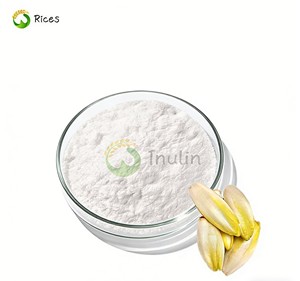
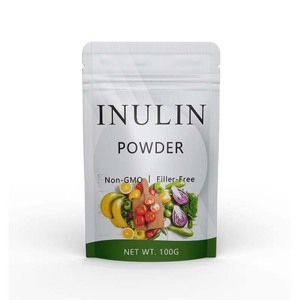
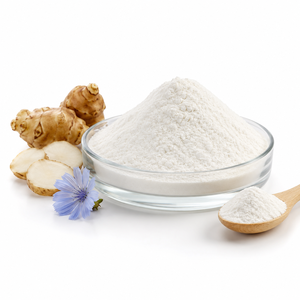
Combining soy protein isolate with soluble prebiotic dietary fibers (such as Inulin Powder 90% or Chicory Root Extract) creates structured hydrocolloid matrices that mimic animal fat feel while boosting digestive health claims.
Procurement directors and strategic sourcing managers must navigate evolving global regulatory shifts, sustainability metrics, and technological advancements. As we look toward 2026–2030, five key procurement trends are defining competitive advantage in the bulk soy protein trade:
Traditional soy proteins often carried grassy or beany notes caused by lipoxygenase oxidation of polyunsaturated fatty acids. Modern China manufacturing utilizes physical steam-deodorization combined with enzymatic masking, producing ultra-bland SPI ideal for dairy-free milks and delicate beverage matrices without artificial flavor additions.
Next-generation meat analogs rely on High Moisture Meat Analogs (HMMA) processing (>60% moisture content). Leading soy protein manufacturers now offer specialized TVP and SPI grades optimized for specific shearing dynamics, producing distinct fibrous muscle textures that closely replicate chicken breast and steak fibers.
Multinational food brands now mandate Scope 3 carbon emission accounting. Sourcing non-GMO soy protein from sustainable, non-deforestation agriculture in Northeast China offers significantly lower lifecycle carbon impacts compared to regions tied to land conversion, accompanied by verifiable EcoVadis and ESG audit reports.
Standard SPI contains sodium levels between 1.0% to 1.5% due to sodium hydroxide neutralization. Advanced membrane filtration yields ultra-low sodium soy protein isolate (<0.2% Na), enabling formulators to meet global health mandates for reduced-sodium meats and cardiac-healthy nutritional beverages.
Single-ingredient sourcing is giving way to pre-blended functional systems. Sourcing co-processed soy protein combined with soluble chicory root inulin fiber, pea protein, or hydrocolloids streamlines factory intake, reduces micro-weighing errors, and delivers optimized texture-plus-gut-health claims.
The global market for soy protein derivatives is projected to surpass $15 Billion USD by 2030, driven by its high Protein Digestibility-Corrected Amino Acid Score (PDCAAS = 1.0), which matches egg white and milk casein in biological value. China plays a central role in this expansion due to rapid technological scaling in processing machinery.
In China's primary soybean belt, non-GMO seed selection prioritizes high-protein cultivars (>42% natural protein in raw bean). Modern contract farming guarantees complete segregation from GMO grain channels. Combined with automated hexane extraction facilities operating under closed-loop recovery, crude soybean meal enters protein extraction facilities with minimal protein denaturation (keeping initial PDI values above 85%).
Processing plant technologies now utilize microfiltration, ultrafiltration, and multi-stage flash evaporators. Rather than producing a single multi-purpose SPI, leading manufacturers produce over 15 distinct functional SPI sub-grades tailored to specific shear conditions, gelation temperatures, salt sensitivities, and shelf-life stability requirements in acidic beverages.
Direct answers to essential technical, compliance, and commercial questions asked by procurement teams, quality control directors, and product development managers.
Partner with a trusted global supplier for high-purity Soy Protein Isolate, Functional Concentrates, Textured Proteins, and Synergistic Dietary Fibers. Request full product specifications, COA samples, or custom factory quotes today.