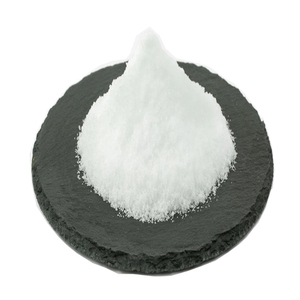
Taurine (2-aminoethanesulfonic acid, C₂H₇NO₃S) is a naturally occurring conditional amino acid essential for cardiac function, osmoregulation, neuromodulation, bile acid conjugation, and cellular membrane stabilization. Unlike standard proteinogenic amino acids, taurine contains a sulfonic acid group rather than a carboxyl group and exists as a free amino acid in animal tissues and synthetic crystalline forms.
As global demand escalates across energy beverages, infant formula, clinical nutrition, pet food, and agricultural aquafeed, China has consolidated its standing as the primary global hub for high-purity taurine synthesis. Producing over 85% of the world's commercial taurine supply, Chinese manufacturers leverage advanced chemical synthesis routes, integrated raw material upstream supply chains, and large-scale crystallization technologies to achieve unmatched cost efficiencies and lot-to-lot batch consistency.
Navigating the global taurine supply ecosystem requires B2B procurement managers, regulatory directors, and R&D formulators to understand chemical synthesis methodologies, quality standard variances (USP vs. EP vs. JP vs. GB), particle mesh physics, and supplier qualification framework. This industry benchmark report serves as a comprehensive guide for evaluating leading Chinese taurine manufacturers and optimizing procurement strategy.
Commercial taurine production relies predominantly on synthetic chemical routes rather than biological extraction due to yield constraints and purity demands. In China, two main chemical synthesis pathways dominate industrial manufacturing: the Ethylene Oxide (EO) process and the Monoethanolamine (MEA) process.
The EO route reacts Ethylene Oxide with Sodium Bisulfite to produce Sodium Isethionate, which undergoes ammonolysis under high pressure and temperature to yield Sodium Taurate. Acidification with Sulfuric Acid or Carbon Dioxide crystallizes pure Taurine.
Key Advantages: Superior atom economy, lower raw material input costs, scalable multi-ton batch processing, and reduced organic byproduct formation.
The MEA route esterifies Monoethanolamine with Sulfuric Acid to yield 2-Aminoethyl Hydrogen Sulfate, which is subsequently reacted with Sodium Sulfite under alkaline conditions to synthesize Taurine.
Key Advantages: Safer precursor handling compared to gaseous ethylene oxide, simpler capital machinery design, and absence of residual EO trace risks in sensitive application matrices.
Modern top-tier Chinese manufacturers have pioneered green chemical engineering solutions. By utilizing CO₂ acidification technology instead of H₂SO₄, factories co-produce Sodium Carbonate rather than high-salinity Sodium Sulfate wastewater, drastically reducing carbon emissions and environmental footprint.
Depending on the final product destination—be it pharmaceutical parenteral solutions, human dietary supplements, functional beverages, infant milk powder, or feline nutrition—specific chemical purity thresholds, heavy metal ceilings, and physical mesh sizes must be strictly maintained.
| Specification Parameter | USP Grade (US Pharmacopeia) | EP Grade (European Pharmacopoeia) | Food Grade (FCC / GB14759) | Feed Grade (Pet & Animal) |
|---|---|---|---|---|
| Assay Purity (Dry Basis) | 98.5% – 101.5% | 99.0% – 101.0% | 98.5% – 101.0% | ≥ 98.0% |
| Appearance | White crystalline powder | White or colorless crystals | White crystalline powder | White/off-white powder |
| Loss on Drying | ≤ 0.20% | ≤ 0.20% | ≤ 0.40% | ≤ 0.50% |
| Residue on Ignition (Ash) | ≤ 0.10% | ≤ 0.10% | ≤ 0.10% | ≤ 0.30% |
| Heavy Metals (as Pb) | ≤ 10 ppm | ≤ 10 ppm | ≤ 10 ppm | ≤ 20 ppm |
| Arsenic (As) | ≤ 1 ppm | ≤ 1 ppm | ≤ 1 ppm | ≤ 2 ppm |
| Chloride (Cl) | ≤ 0.011% | ≤ 0.011% | ≤ 0.05% | ≤ 0.10% |
| Sulfate (SO₄) | ≤ 0.014% | ≤ 0.014% | ≤ 0.03% | ≤ 0.05% |
| Anti-Caking Agent | None (Pure Crystalline) | None (Pure Crystalline) | Optional (0.5% SiO₂ / Tricalcium Phosphate) | Optional (Silicon Dioxide) |
Taurine is a essential functional constituent of energy drinks globally (e.g., Red Bull, Monster, Celsius). It acts synergistically with caffeine to enhance physical endurance, mitigate muscular oxidative stress, support mitochondrial adenosine triphosphate (ATP) synthesis, and reduce central nervous system fatigue. Formulators require high-solubility, rapid-dissolving crystalline taurine (typically 40-80 mesh) with clear aqueous clarity and zero off-taste or sulfur odor.
Unlike dogs and humans, cats lack the enzymatic capability (cysteine dioxygenase and sulfinoalanine decarboxylase) to endogenously synthesize taurine from precursor amino acids like methionine and cysteine. Consequently, taurine is a strictly essential dietary nutrient for all feline life stages. Taurine deficiency in cats leads to Central Retinal Degeneration (CRD), irreversible Dilated Cardiomyopathy (DCM), reproductive failure, and impaired immune function. Premium pet food manufacturers specify guaranteed anti-caking bulk taurine grades for uniform micro-blending into kibble, canned wet food, and liquid pet treats.
Human breast milk naturally contains high concentrations of taurine, whereas bovine milk contains significantly lower levels. To match the nutritional profile of human milk, international infant formula regulations (including EU Regulation 2016/127 and US FDA standards) mandate taurine fortification in infant formulas. Taurine plays a pivotal role in neonatal fat absorption through bile salt conjugation (taurocholic acid), auditory pathway development, and brain cell membrane expansion.
In clinical medicine, ultrapure pharmaceutical-grade taurine is utilized in oral cardiotherapy tablets, ophthalmic drops for corneal repair, hepatic support supplements, and total parenteral nutrition (TPN) intravenous infusions for premature neonates and patients suffering from short bowel syndrome.
Sourcing high-volume functional amino acids from overseas requires robust verification of corporate legitimacy, analytical capabilities, supply stability, and regulatory transparency. Operating with a dual footprint in California, USA and audited manufacturing bases across China, Sunland Nutrition Inc bridge the gap between Asian manufacturing scale and Western quality assurance standards.
Every single production batch undergoes rigorous 3rd-party independent laboratory testing. Standard shipping documentation includes batch-specific Certificates of Analysis (COA), HPLC purity assays, heavy metal ICP-MS screening, microbiological limits, allergen declarations, and non-GMO statements.
To eliminate international freight delays and supply chain volatility, we maintain strategically located warehousing inventory in California (Aliso Viejo / Los Angeles hubs). We offer 1–3 business day domestic dispatch alongside direct FCL/LCL ocean vessel shipments from China.
Our manufacturing partner sites operate under international quality systems: ISO9001, ISO22000, FSSC 22000, GMP, HACCP, Halal, Kosher, and NOP/USDA Organic certifications where applicable, ensuring complete acceptance by global brand auditors.
Strategic procurement planning requires analyzing macro trends shaping the taurine market. Over the next decade, three key structural shifts will influence buyer strategies:
1. Carbon Neutrality & Environmental Regulation Compliance: China's stringent "Dual Carbon" policies (peak carbon by 2030, carbon neutrality by 2060) are driving factory consolidations. Small-scale plants lacking advanced waste gas absorption and zero-liquid-discharge (ZLD) systems face regulatory shutdowns. Buyers are increasingly aligning with top-tier producers utilizing clean CO₂ carbonation synthesis.
2. Particle Mesh Tailoring & Anti-Caking Technology: As automatic high-speed powder blending equipment advances in nutrition packaging plants, standard crystalline taurine can suffer from hygroscopic clumping during sea transport. Demand is surging for micro-encapsulated taurine, granulate DC (Direct Compression) grades, and custom mesh cuts (e.g., fine 100-200 mesh vs. free-flowing 20-40 mesh) tailored for specific beverage or tableting lines.
3. Geopolitical Supply Chain Diversification & Contract Pricing: To buffer against shipping rate volatility and regional energy costs, multinational buyers are moving away from spot-market buying toward long-term annual framework contracts coupled with localized buffer stock agreements in North American and European warehouses.
Whether you require USP/EP pharmacopeial grade taurine for clinical nutrition, high-solubility mesh for beverage lines, or bulk feed-grade taurine for pet food manufacturing, our technical sales engineering team is ready to assist your procurement needs.