
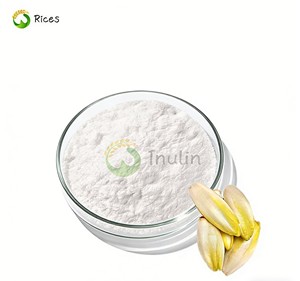


Standardized prebiotic fibers, water-soluble chicory root extracts, and natural Jerusalem artichoke powders optimized for livestock, poultry, swine, aquaculture, and pet nutrition.
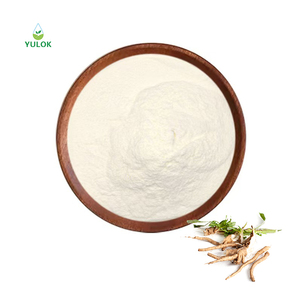
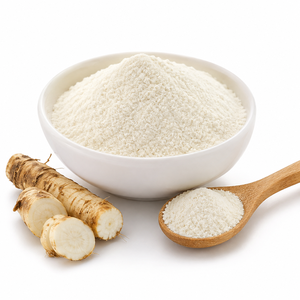
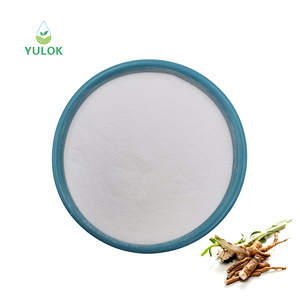
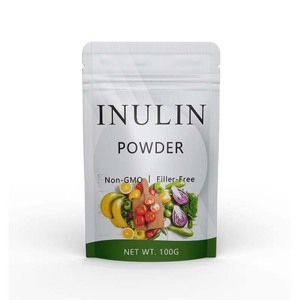
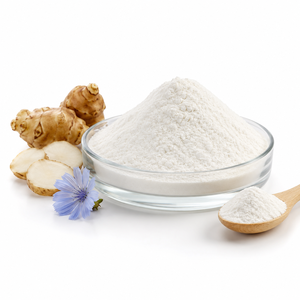
Mexico's commercial livestock, poultry, swine, and aquaculture sectors are undergoing a profound structural shift. Driven by stricter national regulatory frameworks enforced by SENASICA (Servicio Nacional de Sanidad, Inocuidad y Calidad Agroalimentaria), expanding export mandates under the USMCA (United States-Mexico-Canada Agreement), and changing global consumer demands for antibiotic-free animal protein, modern animal nutritionists across Mexico are re-engineering feed formulations. Central to this formulation revolution is the replacement of sub-therapeutic Antibiotic Growth Promoters (AGPs) with natural, science-backed functional ingredients—most notably high-purity fructan-type oligosaccharides such as Chicory Root Inulin (Cichorium intybus) and Jerusalem Artichoke Extract (Helianthus tuberosus).
As an established US-headquartered global supplier of premium nutritional raw materials based in Aliso Viejo, California, Sunland Nutrition Inc. provides Mexican feed integrators, premix manufacturers, and veterinary health producers with an audited, seamless supply chain of certified animal nutrition raw materials. With extensive experience navigating cross-border trade between the United States and Mexico, Sunland Nutrition delivers fully documented, lot-certified, high-purity dietary fibers, amino acids, botanicals, and specialized prebiotics directly to industrial hubs across Mexico—from the livestock heartlands of Jalisco and Sonora to the aquaculture centers of Sinaloa and Veracruz.
Inulin is a natural carbohydrate polymer consisting primarily of β-(2→1) fructosyl-fructose links terminated by a glucosyl unit. Because non-ruminant livestock—such as swine, broilers, layers, and shrimp—lack the endogenous enzymes (specifically β-fructofuranosidase) required to cleave β-(2→1) bonds, inulin passes unhydrolyzed through the upper gastrointestinal tract. Upon reaching the distal ileum and cecum, inulin acts as a highly selective substrate for beneficial anaerobic bacteria, primarily Bifidobacterium spp. and Lactobacillus spp.
Through the process of bacterial fermentation, inulin produces high concentrations of Short-Chain Fatty Acids (SCFAs)—predominantly acetate, propionate, and butyrate. Butyric acid serves as the primary energy substrate for colonocytes, stimulating epithelial cell proliferation, strengthening tight-junction proteins (such as Claudin-1 and Occludin), and significantly increasing the villus height to crypt depth ratio ($V:C$ ratio). A robust intestinal mucosa prevents luminal translocation of opportunistic enteric pathogens such as Salmonella enterica, Escherichia coli (ETEC strains), and Clostridium perfringens via competitive exclusion and luminal pH acidification.
| Ingredient Parameter | Chicory Root Inulin (≥ 90%) | Jerusalem Artichoke Inulin | Fructo-Oligosaccharides (FOS) | Isomalto-Oligosaccharides (IMO) |
|---|---|---|---|---|
| Degree of Polymerization (DP) | 2 to 60 (Long Chain Blend) | 2 to 40 (Medium Chain) | 2 to 8 (Short Chain) | 2 to 6 (α-1,6 linkages) |
| Thermal Processing Stability | High (Up to 140°C in Pelleting) | Moderate to High | Moderate (< 120°C) | High (Extrusion Tolerant) |
| Primary Fermentation Zone | Distal Colon & Cecum | Transverse to Distal Colon | Proximal Colon | Mid to Distal Colon |
| Target Animal Sectors | Poultry, Swine, Calves, Pets | Shrimp, Tilapia, Poultry | Piglet Creep Feed, Pets | Aquafeed, Companion Animals |
| FCR Optimization Impact | 3.5% – 6.2% Improvement | 3.0% – 5.5% Improvement | 4.0% – 6.8% Improvement | 2.8% – 4.5% Improvement |
Mexico's vast geographic diversity requires tailored feed additive strategies suited to distinct environmental microclimates, regional diseases, and production goals:
In high-density layer and broiler corridors like Los Altos de Jalisco, thermal stress frequently compromises gut tight junctions, leading to "leaky gut syndrome", reduced shell breaking strength, and spiked mortality. Incorporating 0.2% to 0.5% Chicory Inulin Powder enhances calcium and magnesium solubilization in the cecum, increasing mineral bioavailability for bone density and shell matrix calcification while mitigating heat-induced systemic inflammation.
Early-weaned piglets in Sonora face high stress during dietary transitions from maternal milk to dry vegetable-based diets. Feed-grade 90% Inulin acts as a non-antibiotic dietary intervention. By selectively nourishing beneficial Bifidobacteria, it lowers cecal pH below 5.8, inhibiting pathogenic E. coli colonization, dramatically reducing post-weaning diarrhea (PWD), and protecting average daily gain (ADG).
In the intensive Pacific shrimp farms of Sinaloa, Early Mortality Syndrome (EMS) and Vibrio parahaemolyticus present constant operational risks. Jerusalem Artichoke Extract and Soluble Inulin incorporated into extruded aquafeed act as potent immunostimulants. They activate phenoloxidase activity and hemocyte phagocytosis in Penaeus vannamei, fostering a resilient gut microbiome resistant to pond water pathogens.
Procurement managers and feed nutritionists across Mexico are re-evaluating supplier qualifications based on four critical macro drivers:
Clear answers on regulatory clearance, custom specifications, order quantities, and cross-border shipping parameters to Mexico.
Every shipment exported to Mexico by Sunland Nutrition includes a batch-specific Certificate of Analysis (COA), Technical Data Sheet (TDS), Safety Data Sheet (SDS/MSDS), Certificate of Origin (under USMCA rules), Non-GMO Statement, and Heavy Metal / Microbiological screening reports. For organic-certified shipments, an NOP Organic Certificate naming the certifier is provided to streamline SENASICA phytosanitary inspections.
Our standard feed-grade Chicory Root Inulin exhibits exceptional thermal stability due to its high proportion of long-chain fructan polymers (β-2,1 bonds). It remains stable up to 140°C (284°F) under standard conditioning and short-time steam pelleting processes without undergoing thermal degradation or caramelization. For high-temperature extrusion (e.g., pet food or floating aquafeed exceeding 150°C), we offer specialized long-chain inulin grades engineered to maintain prebiotic structural integrity.
For items stocked in our US warehouses, our standard MOQ starts at 25 kg (single fiber drum/bag) for pilot trials and formulation testing, with shipping lead times of 3 to 7 business days to major Mexican border crossings (e.g., Laredo or El Paso). Direct mill-to-container shipments (20 ft / 40 ft FCL) typically carry lead times of 4 to 6 weeks, providing optimized freight economics for large-scale integrators in Jalisco, Sonora, and Puebla.
Yes. We provide complimentary evaluation samples (typically 250g to 1kg) complete with batch-matched COAs to qualified Mexican feed manufacturers, premix blenders, and commercial nutritionists. Samples are dispatched via expedited international courier so that your laboratory can perform bench testing, solubility trials, and particle size verification prior to commercial commitment.
Our Chicory Root Inulin and Jerusalem Artichoke powders have a standard shelf life of 24 to 36 months from the date of manufacture when stored in their original unopened multi-wall paper bags with polyethylene inner liners. In humid Mexican climates—such as Veracruz, Sinaloa, or Tabasco—we recommend storing bags in a cool, dry warehouse below 25°C (77°F) and relative humidity under 60% to prevent moisture absorption and caking.
Absolutely. We offer OEM/ODM customization options including tailored particle size milling (from coarse granular to 100-mesh ultra-fine powder), custom packaging (25 kg bags, 500 kg super-sacks, or private-label drums), and dry-blend functional combinations with plant proteins, amino acids, or herbal extracts tailored to your exact premix specification.
Consult with our animal nutrition raw material specialists today to request technical dossiers, batch COAs, sample kits, or volume pricing for Mexico delivery.