Verified HPLC-Tested Microalgae Extract Powders, Softgel Capsules, & Water-Soluble Grades Engineered for Commercial Manufacturers & Formulators in Ethiopia
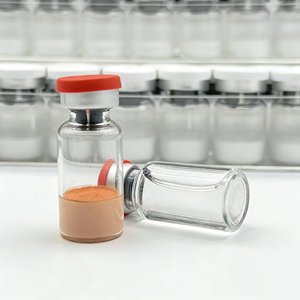
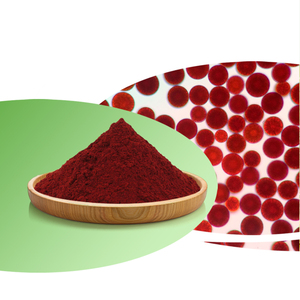
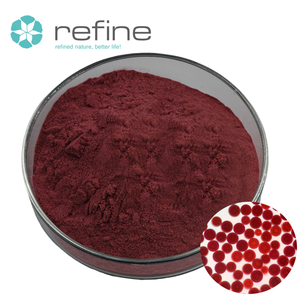
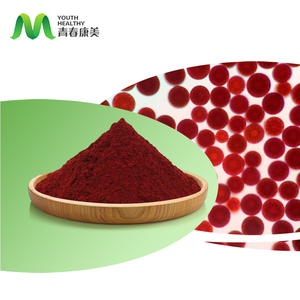
Astaxanthin (3,3'-dihydroxy-β,β-carotene-4,4'-dione) is a keto-carotenoid belonging to the xanthophyll class, naturally synthesized by the freshwater microalga Haematococcus pluvialis when exposed to environmental stress such as hyper-salinity, nitrogen deprivation, and intense ultraviolet radiation. Unlike synthetic chemical carotenoids or petrochemically derived substitutes, natural microalgal astaxanthin exhibits a unique stereoisomeric profile predominantly composed of the (3S, 3'S)-enantiomer, esterified with fatty acids, which provides vastly superior biological stability, cellular uptake, and antioxidant potency.
From a biophysical stance, the molecular structure of astaxanthin features a long conjugated polyene backbone terminating in polar ionone rings at both ends. This amphiphilic architecture allows the molecule to span the entire phospholipid bilayer of cellular membranes. While standard antioxidants such as Vitamin C function exclusively in cytosolic aqueous environments, and Vitamin E resides solely within lipophilic membrane cores, astaxanthin anchors across both the intracellular and extracellular membrane interfaces. This unique transmembrane positioning quenches singlet oxygen, neutralizes lipid peroxides, and shields mitochondrial DNA from oxidative damage without causing membrane disruption or pro-oxidant cellular toxicity.
Astaxanthin exhibits a singlet oxygen quenching rate constant that is 6,000 times greater than Vitamin C, 800 times greater than CoQ10, and 550 times greater than green tea catechins (EGCG).
By inhibiting mitochondrial ROS generation, astaxanthin protects ATP synthase complexes, preserving cellular respiration energy during intense physiological activity and high-altitude exertion.
Our specialized cold-microencapsulation technology shields the polyene double bonds from light-induced trans-to-cis isomerization, ensuring maximum shelf life under East African tropical climate conditions.
As one of East Africa's fastest-expanding economies, Ethiopia is undergoing a major structural transformation across its agricultural, aquaculture, pharmaceutical, and consumer healthcare landscapes. Sourcing high-purity microalgal raw materials like astaxanthin powder has transitioned from a niche luxury to a strategic industrial requirement. Several macroeconomic and localized factors are driving this surge in demand across Ethiopian commercial hubs, including Addis Ababa, Hawassa, Bishoftu, Bahir Dar, and Mekelle:
Tailored Industrial Formulations & Usage Parameters for Commercial Enterprises
In the cold-water trout hatcheries near Mount Gurage and warm-water tilapia farms surrounding Rift Valley lakes, water temperature fluctuations generate thermal stress. Incorporating 1.5% to 2.5% Feed-Grade Astaxanthin Powder into extruded floating pellets enhances juvenile survival rates, strengthens disease resistance against bacterial pathogens, and imparts the characteristic pinkish-red muscle flesh color required for premium hotel and supermarket retail sales.
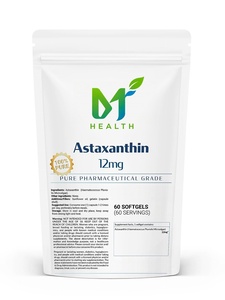
Training at elevations exceeding 2,500 meters in Bekoji and Addis Ababa exposes long-distance runners to elevated hypobaric hypoxia and oxidative muscle damage. Pharmaceutical encapsulators in Bishoftu formulate OEM 12mg Astaxanthin Softgels combined with Omega-3 fish oil or local sesame seed oil carriers, enhancing systemic bioavailability, reducing cardiac fatigue, and sustaining peak mitochondrial metabolic output.
Ethiopia's equatorial location and high solar irradiance expose skin to elevated UV radiation levels. Personal care manufacturers in Addis Ababa utilize Water-Soluble Astaxanthin CWD Micro-Powder & Freeze-Dried Lyophilized Extracts in anti-aging serums, sunscreens, and brightening face creams to neutralize photo-induced collagenase enzymes, prevent hyperpigmentation, and preserve skin elasticity.
Sunland Nutrition Inc (Headquartered in Aliso Viejo, California, USA) has been an industry-trusted global supplier of functional raw ingredients, microalgal extracts, amino acids, and plant proteins since 2012. We operate closed-loop photobioreactor (PBR) culturing systems for Haematococcus pluvialis microalgae, ensuring absolute control over purity, microbial safety, and heavy metal limits.
Every batch of astaxanthin powder destined for Ethiopian ports undergoes rigorous High-Performance Liquid Chromatography (HPLC) testing to verify active carotenoid concentrations. By bridging international supply chain networks with specialized local regulatory support, we ensure seamless import delivery for factories, contract formulators, and agricultural enterprises throughout East Africa.
Sunland Nutrition supplies multiple standardized grades of Astaxanthin derived from Haematococcus pluvialis to meet diverse application requirements across dietary supplements, functional foods, cosmetics, and animal nutrition.
| Product Grade | Active Specification | Physical Form | Key Application | Solubility / Carrier |
|---|---|---|---|---|
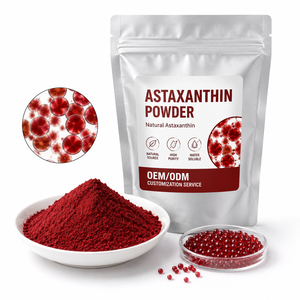
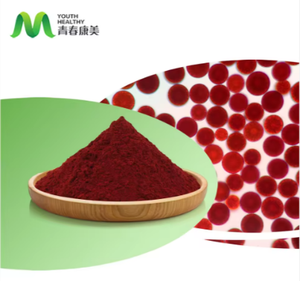
| Microalgae Powder (Natural) | 1.5% - 5.0% Astaxanthin (HPLC) | Fine Red/Dark Red Powder | Hard Capsules, Tablets, Pre-mixes | Dispersible / Insoluble in Water |
| Cold-Water Dispersible (CWD) | 1.0% - 2.5% Astaxanthin | Free-Flowing Micro-Granules | Functional Drinks, Sachets, Effervescent | 100% Water Soluble (Clear/Pink) |
| Astaxanthin Oleoresin | 5.0% - 10.0% Astaxanthin | Viscous Dark Red Liquid/Oil | Softgel Capsules, Oil-based Skincare | Lipophilic / Oil Soluble |
| Feed-Grade Microencapsulated | 1.0% - 2.0% Astaxanthin | Granular Micro-Beadlets | Aquaculture Feed & Avian Rations | Thermally Stable Feed Matrix |
| OEM Finished Softgels | 4mg, 6mg, 12mg per Softgel | Oval/Oblong Softgel Capsules | Retail Packaging / Private Label | Enclosed in Gelatin / Veggie Shell |
Fully Documented Compliance Supporting Ethiopian Food & Drug Authority (EFDA) Registration
 USDA Organic
 GMP / ISO22000
 AHPA Member
 SFA Verified
Clear Guidance on Customs Clearance, Storage, Shipping Routes, and Payment Terms
Every shipment of Astaxanthin Powder shipped to Ethiopia includes a comprehensive compliance dossier: Batch-Specific Certificate of Analysis (COA) detailing HPLC assay percentage, heavy metal testing (Lead, Arsenic, Cadmium, Mercury), microbiological panel (TPC, Yeast & Mold, E. coli, Salmonella), Residual Solvent Analysis, Non-GMO Statement, Allergen Declaration, Technical Data Sheet (TDS), and ISO22000/GMP facility certificates.
We offer two primary shipping routes: For urgent, high-value nutraceutical batches, air freight via Ethiopian Airlines Cargo delivers directly to Addis Ababa Bole International Airport (ADD) within 3 to 5 business days. For bulk feed-grade or industrial shipments, sea freight routes ship via the Port of Djibouti, followed by bonded container truck transport along the Djibouti-Addis Ababa logistics corridor.
Raw microalgal astaxanthin is sensitive to thermal degradation, oxygen exposure, and UV radiation. Our astaxanthin powders are vacuum-sealed inside double food-grade polyethylene inner bags, protected by aluminum foil oxygen-barrier bags, and packed within heavy-duty fiber drums (25 kg net weight). In Ethiopia, stock should be stored in a climate-controlled warehouse below 20°C (preferably 4°C–8°C for extended storage) away from direct sunlight.
Our standard Minimum Order Quantity (MOQ) for commercial bulk powder is 25 kg (1 full fiber drum). For pilot formulations, factory trial runs, and laboratory testing in Ethiopia, we supply 100g to 1kg evaluation samples accompanied by matching batch COAs upon request.
We work with established Ethiopian commercial entities, pharmaceutical manufacturers, and agricultural enterprises. Accepted payment methods include Irrevocable Letters of Credit (L/C at sight), Telegraphic Transfer (T/T), and Cash Against Documents (CAD) through authorized foreign exchange banks operating under National Bank of Ethiopia regulations.