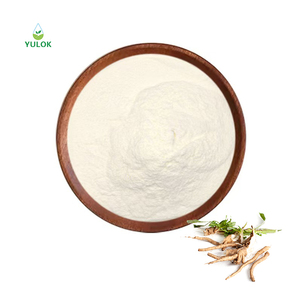
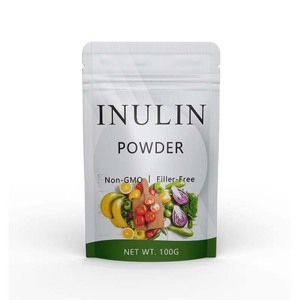
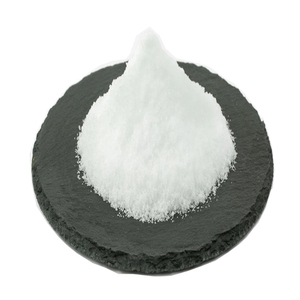
Direct factory bulk supplies of non-GMO, zero-calorie Monk Fruit extracts (Luo Han Guo) and high-purity soluble Chicory Root Inulin fibers engineered for Tokyo's clean-label formulations.
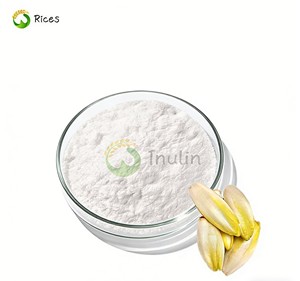
Analyzing search intent and industrial demand trends across Kanto's food manufacturing, RTD beverage, and functional nutraceutical sectors.
The Greater Tokyo Metropolitan Area, housing over 37 million consumers, represents Asia's most sophisticated market for functional foods and low-calorie nutrition. Driven by Japan’s Consumer Affairs Agency (CAA) framework for Foods with Function Claims (FFC) and the established FOSHU (Foods for Specified Health Uses) standards, Japanese food scientists are under intense pressure to eliminate sucrose and high-fructose corn syrup without compromising traditional mouthfeel, body, or umami balance.
Monk Fruit extract (derived from Siraitia grosvenorii or Luo Han Guo) has emerged as the premier natural sweetener for Japanese procurement managers. Unlike synthetic high-intensity sweeteners like acesulfame potassium or sucralose, Monk Fruit delivers a zero-calorie, zero-glycemic sweetness profile that fits seamlessly into clean-label packaging favored by Tokyo retailers such as 7-Eleven, Lawson, and FamilyMart.
Removing sugar from traditional Japanese food matrices—such as RTD green teas, canned black coffees, fermented dairy drinks, and delicate Wagashi sweets—creates a severe textural deficit. High-intensity sweeteners provide sweetness at micro-concentrations, but leave beverages feeling thin, watery, and astringent.
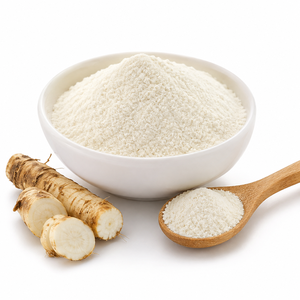
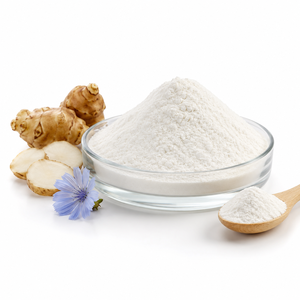
To overcome this, leading R&D laboratories in Chiyoda, Minato, and Shinjuku are standardizing on a Synergistic Matrix combining Monk Fruit Mogrosides with Soluble Chicory Inulin Fiber. Inulin provides the essential molecular structure, viscosity, and gut-healthy prebiotic fiber claim, while pure Monk Fruit extract elevates the sweetness profile up to 300 times that of sucrose with zero lingering metallic aftertaste.
How our Guilin production base leverages advanced extraction technology to guarantee batch-to-batch stability for Japanese buyers.
Our primary Monk Fruit plantations are located in the specialized micro-climates of Guilin, Guangxi—the native geographical origin of Siraitia grosvenorii. By maintaining direct farm contracts with strict GAP (Good Agricultural Practices) standards, we eliminate pesticide residue risks before raw fruits enter our extraction facilities.
We utilize continuous counter-current water extraction paired with multi-stage nanofiltration and macroporous resin chromatography. This proprietary low-temperature process isolated Mogroside V up to 60% purity grade while stripping away bitter off-flavor flavonoids and dark pigments.
Operating under ISO22000, FSSC22000, and cGMP protocols, every batch destined for Tokyo ports undergoes rigorous testing for heavy metals (Lead <0.5ppm, Arsenic <0.2ppm, Cadmium <0.1ppm) and zero-detectable pesticide screens aligned with Japan's Positive List System.
Information gain data designed for Tokyo R&D formulators evaluating thermal stability, glycemic impact, and taste profile.
| Ingredient Parameter | Monk Fruit Extract (Mogroside V) | Stevia (Reb-A / Reb-M) | Organic Erythritol | Chicory Inulin Powder | Sucrose (Standard) |
|---|---|---|---|---|---|
| Sweetness Intensity | 150× – 300× Sucrose | 200× – 350× Sucrose | 0.7× Sucrose | 0.1× Sucrose (Mild) | 1.0× (Baseline) |
| Caloric Value | 0 kcal / g | 0 kcal / g | 0.2 kcal / g | 1.5 – 2.0 kcal / g | 4.0 kcal / g |
| Glycemic Index (GI) | 0 (Non-glycemic) | 0 | 0 | Very Low (<15) | 65 |
| Thermal & Acid Stability | Stable up to 140°C, pH 2.5–8.0 | Stable up to 120°C | High Thermal Stability | Moderate (pH > 4.0) | Caramelizes at 160°C |
| Flavor Profile | Clean, fruity, zero bitter finish | Licorice note / bitter tail | Cooling effect on tongue | Neutral, fat-mimicking | Standard Sweet |
| Solubility in Water (20°C) | > 98% Ultra-Soluble | Moderate to High | 18g / 100ml | 12g / 100ml (Soluble) | 200g / 100ml |
| Primary Label Claim | Natural Sweetener / Zero Calorie | Natural Sweetener | Sugar Alcohol (Polyol) | Dietary Prebiotic Fiber | Added Sugars |
Proven formulation strategies tailored to Japan's consumer packaging and retail distribution standards.
Tokyo's vending machines and convenience stores demand pristine clarity and zero sediment in cold-served RTD green tea (Sencha, Hojicha) and vitamin waters. Standard Stevia often reacts with tea tannins, creating haze and astringency.
Solution: Spray-dried Mogroside V 25% or 40% dissolves instantly in cold liquid with complete transparency. Combined with 0.5% Inulin fiber, it softens tea bitterness while preserving natural botanical aromas without masking delicate Japanese green tea notes.
Artisanal bakeries and industrial dessert makers in Ginza and Yokohama face growing demand for low-GI Yokan (red bean jelly), Mocha, and Daifuku suitable for diabetic consumers and health-conscious youth.
Solution: Replacing sugar with a Monk Fruit + Inulin 90% blend allows manufacturers to maintain gelling properties, humectancy, and moisture retention in bean pastes, reducing caloric density by up to 80% while retaining traditional mouthfeel.
With over 29% of Japan's population aged 65 or older, Tokyo's medical care facilities require nutrient-dense, high-fiber, low-sugar enteral drinks and meal replacement powders that do not spike blood glucose.
Solution: Our food-grade Chicory Root Inulin combined with Monk Fruit provides a non-digestible prebiotic fiber base that feeds beneficial gut microbiota (Bifidobacteria) while delivering a mild, comforting sweet flavor ideal for geriatric nutrition formulas.
Fitness trends in Shibuya and Roppongi have accelerated demand for plant-based pea/rice protein isolate powders and pre-workout formulas that avoid artificial additives.
Solution: Monk Fruit Mogroside V 50% acts as a potent taste-masking agent against the earthy, vegetal notes of plant proteins. Paired with instantized Chicory Inulin, it yields smooth dispersibility in shaker bottles without foam buildup.
Navigating MHLW standards, Japan Food Sanitation Act, and customs clearance through Tokyo and Yokohama ports.
Importing raw food materials into Japan requires absolute compliance with the Ministry of Health, Labour and Welfare (MHLW) regulations under the Food Sanitation Act. Japanese customs officers require full transparency regarding plant taxonomy, processing aids, residual solvents, and pesticide compliance.
Every batch undergoes 500+ pesticide residue screens ensuring zero-detectable synthetic chemicals, fully compliant with Japan's stringent agricultural chemical standards.
Our USDA & EU organic certified Monk Fruit and Inulin grades are supported by complete transaction certificates for seamless JAS equivalency conversion in Japan.
Guaranteed Total Plate Count <1000 CFU/g, Yeast & Mold <100 CFU/g, and Negative tests for Salmonella, E. coli, and Staphylococcus aureus.
100% plant-derived, non-GMO, gluten-free, allergen-free certificates accompanying every shipping container to minimize customs hold times.
Why Tokyo's top food processors trust our factory-direct supply chain infrastructure.
Eliminate third-party trading markups. By purchasing directly from our China manufacturing base, Tokyo clients gain tier-1 pricing with flexible MOQs ranging from 25kg trial drums to 20FT full container loads.
Every shipment includes lot-specific Certificate of Analysis (COA), Technical Data Sheets (TDS), Safety Data Sheets (SDS), and complete process flowcharts required by Japanese QA departments.
Leveraging direct maritime routes from Shanghai/Qingdao ports to Port of Tokyo and Yokohama, we offer short sea transit times of 3 to 5 days, minimizing supply chain disruption for Kanto factories.
Addressing technical, regulatory, and logistics queries for Japanese food science and sourcing directors.
We supply standard Mogroside V 25%, MV 40%, MV 50%, and ultra-pure MV 60% extracts. For RTD tea and clear beverage applications in Tokyo, we strongly recommend our MV 40% or MV 50% de-colored grades, which offer maximum sweetness without imparting yellow tint or plant aroma to finished drinks.
Yes. Our high-purity Chicory Root Inulin powder (90% minimum dietary fiber) remains thermally stable up to 140°C in neutral to slightly acidic pH conditions (pH 4.5 – 7.0). It withstands HTST (High-Temperature Short-Time) and UHT pasteurization cycles typically employed in Tokyo beverage facilities.
We provide a comprehensive import clearance package prior to departure, including ingredient percentage breakdowns, non-irradiated declarations, plant origin certificates, processing flowcharts, and 3rd-party lab test reports verifying compliance with Japan's Food Sanitation Law.
Standard sample kits (100g to 1kg) ship via DHL/FedEx directly to Tokyo within 3 business days. Commercial production MOQs start at 25kg fiber drums, with full pallet (500kg - 1000kg) discounts available for large-scale production runs.
Absolutely. Our factory features automated dry-blending cleanrooms capable of producing uniform 1:1 sugar replacement systems, custom mesh sizes (80 mesh to fine 200 mesh), and private-label packaging tailored to your brand's precise specifications.
Connect with our senior ingredient specialists to evaluate batch COAs, request bench-trial samples, or discuss custom formulation support for your upcoming product launch in Greater Tokyo.