Certified Non-GMO, USDA Organic Options, and Custom Mesh Sizes for US Food & Beverage Brands
USDA Organic certified, rich in native beta-glucan and balanced amino acids. Ideal for functional bakery, cereals, and nutritional bars.
Send an Inquiry
Enzymatically processed for ultra-high cold water solubility, smooth mouthfeel, and zero grit in RTD protein shakes and non-dairy milks.
Send an Inquiry
Low molecular weight oat oligopeptides engineered for rapid bio-absorption, hypoallergenic sports nutrition, and clinical nutrition powders.
Send an Inquiry
Strictly batch-tested purity under FDA standards (<10 ppm gluten). Clean cereal taste for allergen-friendly plant protein blends.
Send an Inquiry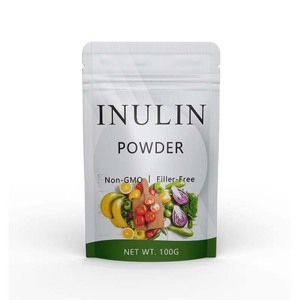
High emulsion stability, low viscosity index, and high temperature processing stability. Designed for UHT beverage pasteurization.
Send an Inquiry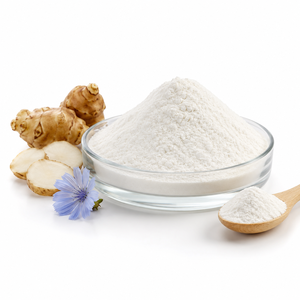
Combines 60% macro protein concentration with soluble oat dietary fiber (chicory-inulin synergy available) for digestive gut health formulations.
Send an Inquiry
Minimally processed, high-density grain protein preserves essential lipids, vitamin E, and natural oatmeal aroma for clean-label foods.
Send an Inquiry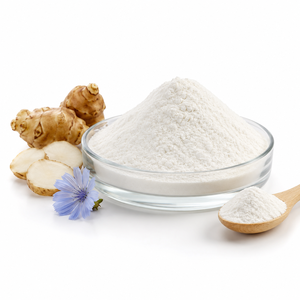
Ultra-fine 300-mesh particle distribution for flawless suspension in plant dairy, creamers, meal replacement powders, and sports nutrition.
Send an InquiryThe North American food and beverage landscape is undergoing a monumental paradigm shift. As American consumers move past first-generation plant proteins like soy and pea—driven by growing consumer concerns over soy allergenicity, chalky textures, earthy off-notes, and heavy metal accumulation—Oat Protein (Avena sativa) has emerged as the premier functional macro-ingredient for next-generation clean-label product formulation.
Derived from high-quality, non-GMO cereal grains through gentle physical and enzymatic fractionating processes, high-purity oat protein isolate (concentrated up to 85% protein content dry basis) delivers a uniquely balanced amino acid profile. Rich in essential Branched-Chain Amino Acids (BCAAs)—specifically Leucine, Isoleucine, and Valine—as well as Sulfur-containing amino acids (Cysteine and Methionine), oat protein bridges the nutritional gap left by traditional legume proteins.
As qualified Oat Protein Manufacturers & Exporters serving the United States market, our manufacturing partners employ low-temperature solvent-free aqueous extraction methods. This process preserves the native tertiary protein structure, maintaining high nitrogen solubility index (NSI) across the pH 3.0 to 7.5 spectrum. This makes our ingredient directly compatible with acidic RTD beverages, neutral plant milks, extruded meat alternatives, and high-protein sports nutrition powders.
To assist US research and development (R&D) directors, food scientists, and procurement teams in making data-driven ingredient selections, the matrix below details the physicochemical, nutritional, and organoleptic properties of our commercial oat protein isolates relative to soy, pea, and whey proteins.
| Specification / Attribute | Oat Protein Isolate (85%) | Yellow Pea Protein (80%) | Soy Protein Isolate (90%) | Whey Protein Concentrate (80%) |
|---|---|---|---|---|
| FDA Allergen Status | Non-Major Allergen (Gluten-Free certified options) | Non-Major Allergen | Major FDA Allergen | Major FDA Allergen (Milk) |
| Flavor & Sensory Profile | Mild, smooth cereal, slightly sweet, zero bitterness | Earthy, vegetative, slightly bitter, chalky finish | Beany, astringent, requires heavy flavor masking | Neutral dairy, slight milky aroma |
| Nitrogen Solubility Index (NSI %) | 78% – 92% (at pH 6.0 - 7.0) | 55% – 70% | 65% – 80% | 90% – 98% |
| Sodium Content (mg / 100g) | Low (< 150 mg) | High (800 – 1,200 mg due to NaOH process) | High (900 – 1,100 mg) | Moderate (180 – 250 mg) |
| Total BCAA Content (g / 100g) | 15.8 g | 14.2 g | 14.8 g | 21.5 g |
| Browning / Maillard Reaction | Moderate, desirable golden bake color | High, rapid darkening | High, variable caramelization | Moderate to high |
| US Market Position | Ultra-Premium Clean Label, Keto, Non-Dairy | Mass Market Vegan | Legacy Value/Bulk | Legacy Animal / Sports |
Oat protein consists primarily of globulins (approx. 70-80%) and prolamins (avenins, approx. 10-15%). Unlike wheat gluten (which is dominated by gliadins and glutenins), oat avenins are structurally distinct and do not elicit gluten sensitivity responses when sourced from clean, dedicated gluten-free supply chains. Our production facilities maintain rigorous physical separation, optical sorting, and ELISA batch verification to guarantee gluten levels below 10 ppm, far exceeding the US FDA threshold of 20 ppm for Gluten-Free labeling.
Why are top US fast-moving consumer goods (FMCG) brands reformulating with our oat protein raw materials? Our ingredients are engineered with proprietary physical modifications to solve classic formulation hurdles:
Instantized grades undergo micro-encapsulation and fluid-bed lecithinization, preventing clumping in cold shaker bottles and industrial beverage mixing tanks.
Enzymatic physical extraction eliminates aggressive caustic soda washes, allowing formulators to achieve clean "Low Sodium" front-of-pack consumer claims in North America.
High amphiphilic molecular structures bind lipids and water effectively, preventing syneresis (water separation) in dairy alternative ice creams, yogurts, and plant creamer systems.
Resists denaturation and precipitation during Retort, UHT (Ultra-High Temperature), and HTST pasteurization processes across high-acid fruit juices and neutral coffee drinks.
Works in harmony with native oat beta-glucan, chicory root inulin, and acacia fiber to create satisfying viscosity, rich mouthfeel, and prebiotic functional claims.
Fully compliant with NOP (National Organic Program) standards. Fully traceable from farm gate to warehouse with complete documentation support.
Our bulk oat protein raw materials are currently integrated into leading brand SKUs across US retail channels—including Whole Foods Market, Trader Joe's, Costco, and Sprouts Farmers Market. Below are the primary application categories where oat protein outperforms competing plant proteins:
The US oat milk market has seen unprecedented growth. However, standard oat milk typically contains only 1g of protein per 8 oz serving compared to 8g in dairy milk. By incorporating 3% to 5% of our Instantized Soluble Oat Protein Isolate 85%, beverage manufacturers can achieve equal protein parity (8g per serving) without altering the signature oat milk taste profile or causing feathering in hot coffee applications.
American fitness enthusiasts are increasingly seeking soy-free, dairy-free alternatives to traditional whey protein powders. Oat protein supplies 4.5g of BCAAs per 30g scoop. When combined with organic pea or pumpkin seed protein, it yields a complete amino acid profile with a PDCAAS (Protein Digestibility-Corrected Amino Acid Score) of 1.0, delivering a clean cereal-milk flavor that requires significantly less sweetener and flavor masking.
In high-protein cookies, keto bars, and extruded snack pellets, egg white and whey proteins often create a dense, rubbery texture over shelf life due to moisture migration. Oat protein exhibits excellent water-holding capacity and thermal fat retention, keeping baked goods moist, tender, and soft over a standard 12-month US ambient retail shelf life while promoting an appealing golden-brown Maillard reaction.
When used as a functional binder in high-moisture extrusion (HMEC) for plant-based burgers, breakfast sausages, and chicken alternatives, oat protein enhances fibrous muscle-like texture creation while retaining natural juices during grilling, reducing frying shrink rates by up to 14%.
Product developers and brand owners leveraging user intent mining and consumer search trends across North America will recognize three primary macro tailwinds driving oat protein search volume and commercial adoption:
Sourcing raw materials from overseas manufacturers can introduce supply chain vulnerabilities, port delays, and quality uncertainty. Sunland Nutrition Inc. bridges global manufacturing scale with local US operational reliability.
We maintain robust inventory positions of commercial-grade Oat Protein Concentrates, Isolates, and Organic Dietary Fibers in our state-of-the-art US warehouses. For North American brand owners, this offers several distinct operational advantages:
Every shipment of oat protein exported and distributed to the United States market is accompanied by a full QA compliance binder, including:
Below are authoritative technical answers to the most common questions posed by US purchasing managers, quality assurance supervisors, and product development scientists when evaluating our oat protein ingredients.
Our Gluten-Free Oat Protein Isolate is produced from raw oats harvested from dedicated non-gluten crop rotation fields. The grains undergo optical color sorting and mechanical grain separation followed by competitive ELISA batch testing. We guarantee gluten content below 10 ppm, which safely satisfies the FDA mandate (<20 ppm) for carrying front-of-pack "Gluten-Free" claims in North America.
For items stocked at our California warehouse, the MOQ is 1 standard multi-wall kraft paper bag (20 kg or 25 kg). US West Coast deliveries generally take 1–3 business days, while East Coast transit takes 4–5 business days. For direct-from-mill export shipments (full container loads), production and sea shipping cycles typically range between 4 to 6 weeks.
No. One of oat protein's primary functional benefits over pea or soy isolate is its naturally bland, mildly sweet, oatmeal-like sensory profile. It exhibits virtually no bitter alkaloids, earthy tones, or astringency, allowing formulators to reduce flavor masking agents and artificial sweeteners by up to 40% in RTD chocolate or vanilla protein formulas.
Yes. We provide 200g to 1kg complimentary laboratory samples complete with lot-specific COAs, technical data sheets (TDS), and safety data sheets (SDS) to qualified US manufacturers and R&D facilities so benchtop work can proceed immediately.
Yes. Our organic line includes USDA Organic / NOP certified oat protein concentrates and soluble powders. Each organic lot is backed by an official NOP Transaction Certificate detailing the certifying agency and supply chain traceability.
Our soluble instantized oat protein isolate is specifically engineered to remain thermally stable. Unlike egg whites or un-hydrolyzed whey which coagulate when heated, our oat protein maintains emulsification and low viscosity without forming gel networks during standard UHT processes (135°C–142°C for 4–6 seconds).
When stored in its original unopened multi-wall paper bags with inner polyethylene liners in a cool, dry ambient environment (below 25°C / 77°F and relative humidity below 60%), our bulk oat protein maintains a certified shelf life of 24 months from the date of manufacture.
Partner with a trusted ingredient exporter and US supply chain expert. Contact our California technical team today for specification sheets, sample kits, and real-time tier pricing for your upcoming production schedule.
Send an Inquiry