Vetted batch-consistent formulations engineered for stability, humectancy, and zero-sugar label claims across Canadian manufacturing facilities.
Engineered via bioconversion for rapid dissolution, crystal resistance, and 70% sucrose sweetness. Ideal for beverage and confectionery bases.
Get Catalog
NOP-certified organic liquid sweetener matrix offering dual benefits: clean sugar reduction and soluble gut-health dietary fiber claims.
Get Catalog
Custom-blended low-viscosity liquid carrier designed to rebuild mouthfeel and body in zero-calorie functional soda and energy drinks.
Get Catalog
High-humectancy liquid allulose tailored for commercial baking. Enhances Maillard browning, moisture retention, and shelf-life extension.
Get Catalog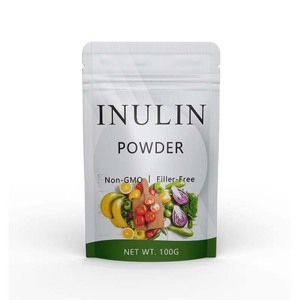
A 1:1 sugar-sweetness drop-in liquid system combining allulose bulk with high-intensity organic monk fruit to eliminate off-tastes.
Get Catalog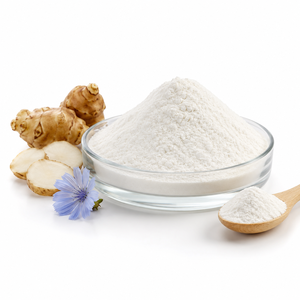
Clean-label OEM syrup base for nutrition bar binder systems, syrups, and keto sauces. Excellent binding without glycemic spikes.
Get Catalog
Naturally derived plant fiber extract co-processed with D-psicose syrup for premium organic and natural health food applications.
Get Catalog
Commercial bulk packaging options with complete technical documentation, batch COA, and custom density/Brix specs for Canadian buyers.
Get CatalogUnderstanding the molecular dynamics, crystallization prevention, and thermal behavior of liquid D-psicose for industrial formulation.
Liquid Allulose (D-psicose) is produced through precise enzymatic epimerization of D-fructose at the C-3 position, utilizing immobilized D-psicose 3-epimerase (DPEase) enzymes. This bio-catalytic process yields a high-purity monosaccharide that mimics the molecular weight (180.16 g/mol) and bulking properties of sucrose while remaining resistant to human metabolic breakdown.
Industrial liquid allulose is standardized at 71.0° to 73.0° Brix. At this concentration, the syrup maintains low viscosity (approx. 250–350 cPs at 20°C), making it easily pumpable in automated bottling and batching facilities across Canada. Higher Brix formulations prevent microbial growth while maintaining supersaturation resistance during cold transit.
Unlike sugar alcohols like erythritol or xylitol, liquid allulose contains a reducing ketone group that participates actively in Maillard browning reactions. When heated alongside amino acids or proteins, liquid allulose caramelizes at lower temperatures than sucrose, producing golden-brown hues and deep aromatic notes essential for bakery, syrups, and roasted glazes.
Strategic insights for Canadian food processors adapting to Health Canada directives, Front-of-Package labeling, and sugar-reduction trends.
Canada’s food manufacturing ecosystem—centered in key industrial corridors like Ontario (Greater Toronto Area), Quebec (Montreal region), British Columbia (Metro Vancouver), and Alberta (Calgary/Edmonton)—is undergoing a massive structural shift due to Health Canada's Front-of-Package (FOP) nutrition labeling regulations. Foods high in saturated fat, sodium, or sugars must display black-and-white warning symbols.
Because liquid allulose contributes only 0.4 calories per gram and does not spike blood glucose or insulin levels, Canadian formulators are using custom liquid allulose OEM blends to lower total sugar counts below FOP mandatory warning thresholds without sacrificing product viscosity or sweetness profile.
Search intent mining across Canadian consumer and B2B keywords reveals sharp growth in queries for "keto-friendly sweeteners Canada", "low-calorie RTD beverage formulation", and "non-glycemic bulking syrup wholesale". Liquid allulose is uniquely positioned compared to alternative sweeteners:
Benchmarking physical, functional, and physiological attributes for product development teams.
| Sweetener Attribute | OEM Liquid Allulose (72° Brix) | High Fructose Corn Syrup (HFCS 55) | Liquid Erythritol Solution | Maltitol Syrup (75% Solids) | Organic Agave Nectar |
|---|---|---|---|---|---|
| Sweetness (Sucrose = 1.0) | 0.70 (Clean, rapid onset) | 1.00 (Lingering high sweet) | 0.65 (Cooling finish) | 0.75 (Muted profile) | 1.30 (Intense fructose) |
| Caloric Density (kcal/g) | 0.4 kcal/g | 4.0 kcal/g | 0.2 kcal/g | 2.1 kcal/g | 3.9 kcal/g |
| Glycemic Index (GI) | GI = 0 | GI = 68 | GI = 0 | GI = 35 | GI = 15–30 |
| Crystallization Risk (at 4°C) | Extremely Low | Low | High (Precipitates easily) | Moderate | Low |
| Maillard Browning Capability | Excellent (High reactivity) | High | None (Non-reducing polyol) | Very Low | High |
| Freezing Point Depression | Superior (2x Sucrose effect) | Standard | High (Hard ice structure) | Moderate | Standard |
| Digestive Tolerance Threshold | High (> 0.55 g/kg body weight) | Standard | Moderate | Low (Laxative risks) | Standard |
How Canadian brands leverage OEM/ODM liquid allulose formulations across four key processing sectors.
Canadian craft beverage innovators in Toronto and Vancouver face growing demand for zero-sugar functional sparkling waters, iced teas, and botanical seltzers. Liquid allulose at 71.5° Brix acts as a flawless bodying agent and flavor carrier. When blended with high-intensity sweeteners such as Monk Fruit Mogroside V 50% or Stevia Reb-M, liquid allulose rounds out the mid-palate, eliminating the sharp metallic tail often left by isolated high-intensity sweeteners.
Dairy processors in Quebec’s rich agricultural corridor require non-sugar sweeteners that prevent ice crystal formation during frozen storage. Liquid allulose exhibits a freezing point depression coefficient approximately 1.9 times greater than sucrose. Replacing sugar with liquid allulose in soft-serve, keto gelato, and oat-milk frozen desserts produces a scoopable, soft texture even at negative freezer temperatures without hardening into solid blocks.
Commercial bakeries in Calgary and Edmonton producing keto breads, soft-baked cookies, and high-protein snack bars utilize OEM liquid allulose as a natural binder. It maintains crucial water activity control (aw < 0.65) to preserve freshness while contributing to golden crust formation during baking. It also prevents the dry, crumbly texture typical of polyol-based baked goods over shelf-life storage.
Confectionery brands creating functional vitamin gummies and zero-sugar pancake syrups depend on liquid allulose to achieve clean clarity and rapid gelling with high-methoxy pectin. Because liquid allulose does not readily crystallize out of liquid solution at 72° Brix, it allows stable room-temperature storage in clear PET bottles without cloudiness or sediment formation.
Combining rigorous global manufacturing standards, North American warehousing, and custom formulation expertise.
Building on over 13 years of raw material expertise, Sunland Nutrition Inc qualifies every fermentation mill on rigorous process controls, enzymatic yield consistency, and heavy metal mitigation before inclusion on our approved supplier list. Every production lot undergoes multi-stage testing for assay purity, microbiological safety, and residual solvents.
We eliminate regulatory delays for Canadian compliance officers. Every shipment of liquid allulose is accompanied by a batch-specific Certificate of Analysis (COA), Technical Data Sheet (TDS), Allergen Declaration, Non-GMO Project Verification, Kosher Certificate, Halal Certificate, and USDA/NOP Organic Documentation where applicable.
With strategic warehousing facilities headquartered in Aliso Viejo, California, and dedicated logistics pathways serving Canadian provinces (Ontario, Quebec, BC, Alberta), Sunland Nutrition maintains stocked positions on bulk drums and IBC totes. We mitigate supply chain disruptions through flexible release schedules and direct-from-mill container programs.
We provide custom tailoring for industrial clients requiring non-standard specifications:
Supplied in standardized industrial units engineered for food plants:
Direct technical answers addressing Health Canada compliance, logistics, minimum order quantities, and shelf life.
In Canada, D-allulose is classified as a novel food ingredient under Health Canada guidelines. While US FDA GRAS notices permit broad use in American food products, Canadian manufacturers sourcing liquid allulose for domestic or cross-border distribution must align with Health Canada novel food notifications or utilize allulose in products destined for export to markets with full regulatory clearance. Our technical compliance team provides complete documentation to support regulatory review.
Our commercial liquid allulose is standardized at 71.5° to 73.0° Brix, a concentration specifically engineered to maintain thermodynamic stability. Even when exposed to cold transit temperatures across Canadian provinces, high-purity liquid allulose resists crystallization and precipitation far better than liquid erythritol or high-solids sucrose syrups. If frozen in extreme sub-zero conditions, gentle heating restores full viscosity without thermal degradation or sugar carmelization.
Every shipment leaves our warehouse with a comprehensive Quality Assurance packet. This includes a batch-specific Certificate of Analysis (COA) detailing D-allulose assay percentage (≥ 99.0%), Brix level, pH, microbiological counts (E. coli, Salmonella, yeast/mold), heavy metals analysis (Lead, Arsenic, Cadmium, Mercury), allergen status, and Non-GMO verification statements.
For standard stocked positions (250 kg drums and 1,300 kg IBC totes), minimum order quantities start at 1 drum or 1 tote for pilot scale trials. Stocked orders ship from our North American distribution hubs within 1 to 3 business days, reaching major Canadian manufacturing centers in Toronto, Montreal, Vancouver, and Calgary within 3 to 6 transit days. Custom OEM Brix formulations or specialized liquid blends run on 3 to 5 week production lead times.
Yes. We specialize in OEM/ODM custom liquid co-processing. We can pre-blend liquid allulose with standardized Monk Fruit Mogroside V (25% to 50%) or Stevia Reb-M / Reb-A in precise ratios. This provides Canadian food manufacturers with a 1:1 sugar-sweetness drop-in liquid solution, eliminating the need for dual-dosing during high-speed batch manufacturing.
Liquid allulose is a rare monosaccharide that is not metabolized by the body as a traditional carbohydrate. In regulatory frameworks that recognize allulose, it is excluded from "Total Sugars" and "Added Sugars" counts on nutrition labels, despite providing the functional weight, mouthfeel, and browning properties of liquid sugar.
Yes. We provide qualified R&D formulators, food scientists, and procurement officers with 500g to 1kg bench-test sample bottles accompanied by matching COAs. This enables your research team to evaluate sweetness kinetics, solubility, density, and thermal reaction behavior in your pilot plant before commercial scale-up.
Bulk liquid allulose has a certified shelf life of 24 months from the date of manufacture when stored in original sealed containers between 15°C and 25°C (59°F to 77°F) away from direct sunlight. Containers should be kept tightly closed to prevent atmospheric moisture absorption or superficial dehydration.
Connect with our technical sourcing specialists to review sample availability, custom Brix formulations, and volume pricing for Canadian manufacturing operations.
Get Catalog