Standardized non-GMO corn-derived resistant dextrin powders, syrups, and functional Vitamin B-complex enriched dietary fiber drink premixes.
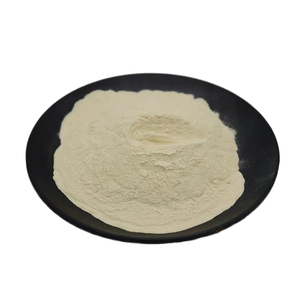

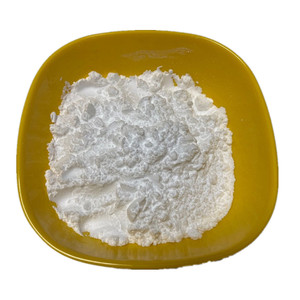

A deep-dive technical overview for German R&D scientists, food chemists, and regulatory compliance teams.
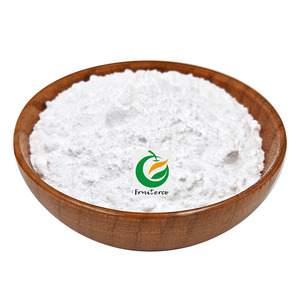
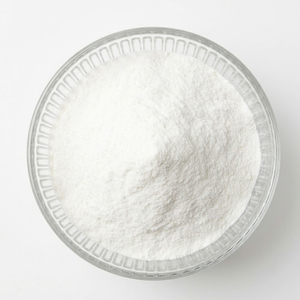
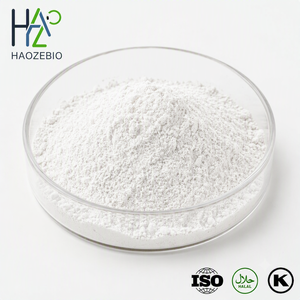
Resistant Dextrin (frequently catalogued under CAS 9004-53-9 and designated as Indigestible Dextrin or Soluble Corn Fiber) is a short-chain glucose polymer derived from non-GMO maize starch through controlled acid-thermal pyrodextrinization followed by multi-stage enzymatic hydrolyzation. During conventional starch digestion, human salivary and pancreatic α-amylases easily cleavage standard α-1,4 and α-1,6 glycosidic bonds into metabolizable glucose monomers. However, the proprietary thermal-enzymatic manufacturing process rearranges these linear linkages, introducing random α-1,2 and α-1,3 glycosidic bonds along with indigestible branched structures.
Because the human upper gastrointestinal tract lacks the specific enzymatic machinery required to break down α-1,2 and α-1,3 non-digestible linkages, over 90% of the ingested Resistant Dextrin passes intact into the large intestine. There, it undergoes slow, non-gassy microbial fermentation by beneficial gut microbiota (primarily Bifidobacterium and Lactobacillus species), releasing critical short-chain fatty acids (SCFAs) such as butyrate, propionate, and acetate without triggering osmotic diarrhea or severe meteorism.
How German food producers leverage Resistant Dextrin to satisfy stringent LMIV packaging rules, improve Nutri-Score grades, and reformulate for clean-label demand.
German consumers expect authentic texture in whole-grain breads (Vollkornbrot), rolls (Brötchen), and sugar-reduced pastries. Resistant Dextrin acts as a non-reactive bulking agent that retains moisture, delays starch retrogradation (staling), and increases dietary fiber content to allow front-of-pack claims such as "Hoher Ballaststoffgehalt" (High Fiber) under EU Regulation No 1924/2006.
With the German beverage sector actively reducing sugar in traditional fruit spritzers (Fruchtschorlen), near-water functional drinks, and dairy-free oat/almond milks, Resistant Dextrin provides a water-clear, low-viscosity solution (15 mPa·s at 10% solution). It withstands low pH conditions (pH 2.5–3.5) and high-temperature pasteurization (UHT/HTST) without hydrolyzing into simple sugars.
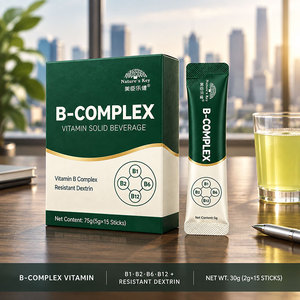
Formulated directly into Vitamin B-Complex sachets, instant BCAA powders, and endurance gels across Germany's expanding sports nutrition market. Resistant Dextrin acts as an ideal carrier for sensitive active ingredients, dampening blood glucose spikes (GI < 5) while delivering prolonged osmotic balance and prebiotic gastrointestinal support during intense physical exertion.
In sugar-reduced or sugar-free gummy candies (Fruchtgummis) and chocolates, replacing sucrose with sugar alcohols (polyols) often causes digestive distress. Blending 15%–30% Resistant Dextrin balances solids, restores mouthfeel and chewiness, reduces polyol laxative warnings, and lowers total caloric density to less than 2.0 kcal/g.
Used extensively in German clinical enteral formulas and senior nutrition products. Due to its minimal impact on postprandial insulin response, it serves as a safe carbohydrate alternative for diabetic-friendly formulations while maintaining bowel regularity in long-term care settings.
German consumers rigorously check product ingredient lists (Inhaltsstoffe). Our non-GMO corn-source resistant dextrin allows brands to declare "Maisfaser" (Corn Fiber) or "Dextrin", seamlessly complying with V-Label vegan standards and Bio-Siegel clean-label directives.
Comparative empirical data evaluated for stability, tolerance, and formulation performance under EU manufacturing conditions.
| Technical Parameter | Resistant Dextrin (Corn) | Inulin (Chicory Root) | Polydextrose | Fructo-Oligosaccharide (FOS) |
|---|---|---|---|---|
| Dietary Fiber Content (%) | ≥ 85.0% – 95.0% | 88.0% – 92.0% | ≥ 90.0% | 93.0% – 95.0% |
| Acid Stability (pH 2.0 – 4.0) | Extremely High (No breakdown) | Low (Hydrolyzes to Fructose) | High | Moderate (Acid Sensitive) |
| Thermal Tolerance (> 140°C) | Excellent (Up to 160°C) | Moderate (Browning/Degradation) | High | Moderate |
| Viscosity (10% Sol, 20°C) | Very Low (15 mPa·s) | High (Forms gel at high concentration) | Low-Moderate | Low |
| Max Laxative Threshold (g/day) | 45g – 50g / day (High tolerance) | 15g – 20g / day (Gas/Bloating) | 30g – 35g / day | 10g – 15g / day |
| Solution Clarity & Transparency | 100% Crystal Clear | Slightly Turbid / Hazy | Clear | Clear |
| Nutri-Score Benefit Score | Optimal (High Fiber/Low Cal) | Optimal | Good | Good |
Macroeconomic factors shaping B2B procurement decisions across Germany, Austria, and Switzerland (DACH region).
The German Federal Ministry of Food and Agriculture (BMEL) has adopted updated Nutri-Score calculation criteria that place stricter penalties on free sugar content while heavily rewarding high dietary fiber density (> 4.7g fiber per 100g product). Food formulators across Germany are actively substituting digestible maltodextrins and sucrose with Resistant Dextrin 95% Powder to systematically shift product ratings from C or D grades up to coveted A or B ratings on supermarket shelves (Edeka, Rewe, Aldi, Lidl).
Under European Food Safety Authority (EFSA) guidance, Resistant Dextrin qualifies for key health claims when validated in finished products:
German health consumers (especially patrons of Reformhaus and organic food stores) are intensely focused on gut microbiome health (Darmgesundheit). Peer-reviewed clinical trials confirm that daily intake of 10g Resistant Dextrin significantly shifts the intestinal gut microbiota ratio, elevating short-chain fatty acid concentrations (notably butyrate) which fortifies the mucosal gut barrier and enhances mineral absorption (Calcium and Magnesium).
Global manufacturing strength combined with rigorous quality control, verified certifications, and flexible logistics to German ports.
Every shipment bound for Europe is accompanied by a batch-specific Certificate of Analysis detailing HPLC molecular weight distribution, assay percentage (≥85% or ≥95%), heavy metal limits (Pb < 0.1 ppm, As < 0.1 ppm, Cd < 0.1 ppm, Hg < 0.05 ppm), pesticide residues, and strict microbiological clearing (Zero Salmonella, Zero E. coli).
We maintain continuous inventory positions in strategically located warehouses alongside direct-from-mill container shipment programs. Order sizes scale seamlessly from 25 kg pilot batches for trial formulations up to multi-container FCL shipments routed directly to Hamburg, Bremerhaven, or Rotterdam.
Our manufacturing facilities operate under stringent quality management systems including ISO 22000, FSSC 22000, IFS Food v8, and HACCP compliance. Certified options for USDA Organic / EU Organic compliance, Non-GMO Project Verification, Kosher, and Halal are available upon request.
Clear, authoritative answers regarding tariffs, regulatory status, minimum order quantities, and technical specs.