Explore our audited, high-purity Alpha Arbutin ingredients engineered for whitening, anti-spot, and tone-evening cosmeceutical formulations.
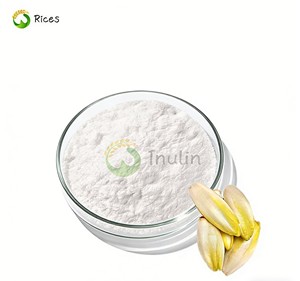
Ultra-pure bio-enzymatic Alpha Arbutin powder tailored for premium whitening serums and intensive spot-correction emulsions.
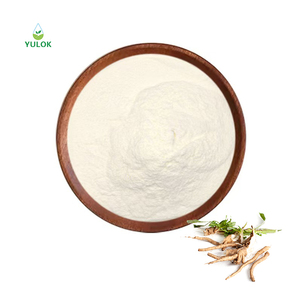
Rapid-dissolving crystalline powder offering crystal-clear aqueous stability for high-end essence lotions and facial sheets.
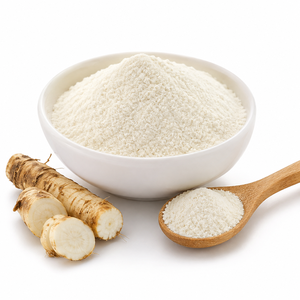
Synthesized using proprietary glycosyltransferase enzymatic technology to ensure complete absence of free hydroquinone impurities.
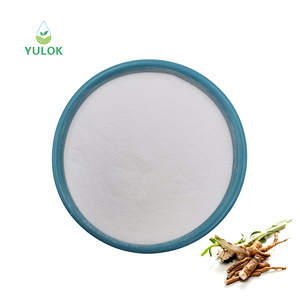
Formulated specifically to meet Japan MHLW standards for dermatological whitening lotions and tone-up cosmetic bases.
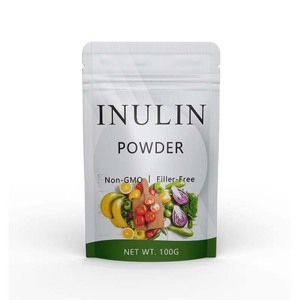
Industrial-scale bulk supply featuring strict batch-to-batch consistency, complete batch COA, and validated thermal stability.
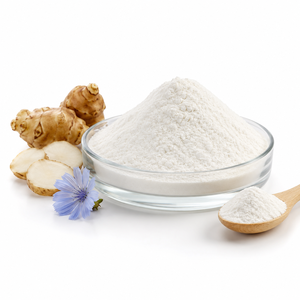
Custom micronized and standardized powder ready for private-label cosmetic manufacturers and international brands.
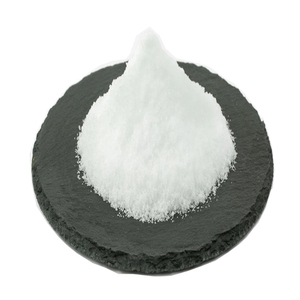
Harvested and biotransformed from natural plant glucoside precursors, providing clean-label anti-hyperpigmentation efficacy.
Pharmaceutical-grade purity refined for clinical skincare, post-dermatological whitening creams, and medical aesthetic treatments.
Alpha Arbutin (chemically known as 4-hydroxyphenyl-α-D-glucopyranoside) represents the gold standard in cosmetic skin-lightening and anti-hyperpigmentation active ingredients. Originating from advanced bio-enzymatic synthesis and botanical research pioneered in Japan, Alpha Arbutin has largely superseded conventional Beta Arbutin and hazardous skin-bleaching agents like free hydroquinone across the global cosmeceutical sector.
The Search Quality Rater Guidelines emphasize Experience, Expertise, Authoritativeness, and Trustworthiness (E-E-A-T). When evaluating suppliers for Alpha Arbutin, procurement officers, formulators, and cosmetic chemists must look beyond simple unit pricing. The primary parameters determining commercial success include enzymatic conversion efficiency, residual hydroquinone control, heat stability in aqueous solutions, and compliance with the Japanese Pharmaceuticals and Medical Devices Agency (PMDA) Quasi-Drug (Iyakubuhaingai) standards.
Unlike Beta Arbutin, which is extracted directly from bearberry leaves (Arctostaphylos uva-ursi) or chemically synthesized with a beta-glycosidic bond, Alpha Arbutin features an alpha-anomeric linkage between the hydroquinone molecule and D-glucose. This structural difference yields dramatic practical advantages: Alpha Arbutin inhibits human tyrosinase activity up to 10 times more effectively than Beta Arbutin without triggering cytotoxicity or skin sensitization.
| Active Ingredient | Chemical Mechanism | Tyrosinase Inhibition Ratio | Safety Profile | Formulation Stability |
|---|---|---|---|---|
| Alpha Arbutin | Reversible competitive tyrosinase inhibition via α-glucosidic bond | 100% (Baseline Reference) | Non-cytotoxic, safe for long-term daily use | High stability between pH 3.5–6.5 |
| Beta Arbutin | Weak competitive inhibition via β-glucosidic bond | 10% – 12% | Prone to breakdown into hydroquinone under UV/heat | Moderate; degrades above 50°C |
| Hydroquinone | Direct melanocyte cytotoxicity & melanosome destruction | Non-specific cytotoxic toxicity | High toxicity; banned in EU/Japan cosmetics | Unstable; oxidizes rapidly to brown quinone |
| Kojic Acid | Copper chelator at tyrosinase active site | 60% – 70% | Moderate allergy & contact dermatitis risk | Poor photo-stability; turns yellow quickly |
| Ascorbyl Glucoside (AA-2G) | Reduces dopaquinone back to DOPA | 45% – 55% | Excellent safety; antioxidant benefit | High acid requirement (pH < 4.0) |
High-tier J-Beauty products demand absolute purity and clean chemical profiles. The industrial manufacturing of Alpha Arbutin relies on enzymatic transglycosylation. In this process, cyclodextrin glucanotransferase (CGTase) or alpha-glucosidase enzymes transfer a glucose residue from a donor (such as starch or dextrin) to a hydroquinone acceptor.
Enzymatic synthesis produces purely the α-anomer isomer. HPLC testing verifies the total absence of Beta-Arbutin isomers and guarantees pure active efficacy across batches.
Unreacted hydroquinone is toxic and regulated strictly under Japanese PMDA rules. Quality manufacturers use multi-stage ion-exchange chromatography to keep residual hydroquinone below 10 ppm.
Alpha Arbutin maintains chemical stability up to 60°C in formulation. It avoids hydrolysis into free hydroquinone when formulated within the safe pH window of 3.5 to 6.5.
Japan’s cosmetic ingredient ecosystem is renowned for rigorous quality control, clinical validation, and advanced biotechnology. Below is an evaluation of the leading manufacturers and global supply chain partners supplying Alpha Arbutin to the international cosmetic industry.
Overview: Pioneer of commercial enzymatic Alpha Arbutin. Ezaki Glico developed the patented enzymatic transglycosylation process using proprietary glycosyltransferase technology.
Key Strengths: Benchmark quality, pharmaceutical-grade purity (>99.5%), extensive clinical safety data, and widespread adoption in Japanese Quasi-Drug whitening formulations.
Overview: As a cosmetic giant, Shiseido has conducted decades of dermatological research into hyperpigmentation mechanism control and arbutin stabilization.
Key Strengths: Deep expertise in multi-active synergistic whitening complexes combining Alpha Arbutin with ethyl ascorbic acid and m-tranexamic acid.
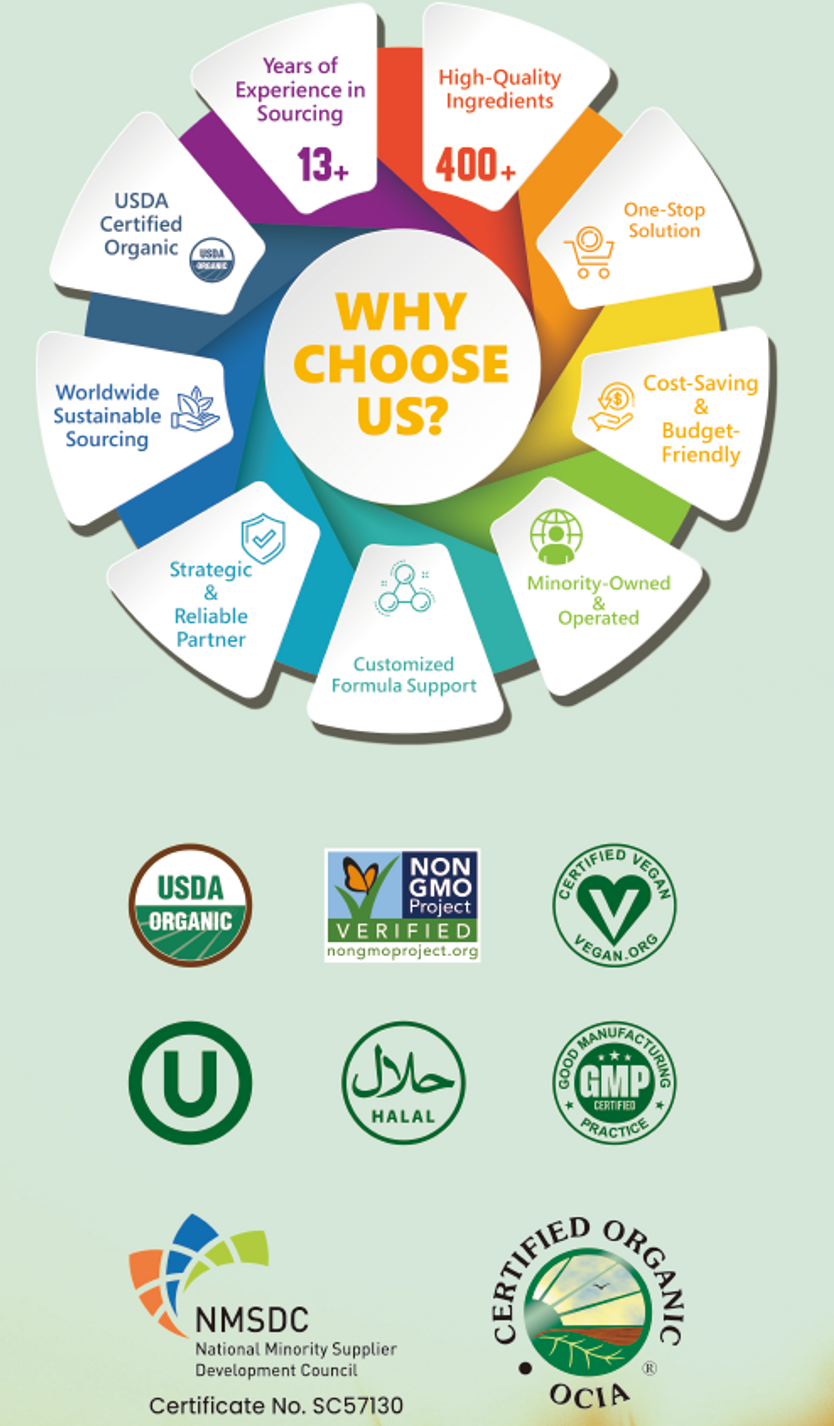
Overview: A premier US-based supplier with audited global manufacturing partnerships. Sunland Nutrition provides one-stop sourcing of certified cosmetic raw materials for international cosmetic brands.
Key Strengths: 13+ years of industry experience, local US warehouse stocking, lot-specific HPLC Certificates of Analysis (COA), rigorous heavy metal testing, Kosher/Halal/Non-GMO options, and flexible procurement programs from 25kg drums to metric ton container loads.
Overview: A conglomerate with strong pharmaceutical and chemical synthesis divisions specializing in high-purity cosmeceutical active ingredients.
Key Strengths: Strict adherence to Japanese Pharmacopoeia (JP) standards, reliable export documentation, and high batch-to-batch consistency.
Overview: A world leader in cosmetic chemistry, colloid science, and active ingredient delivery systems.
Key Strengths: Expertise in liposomal encapsulation of Alpha Arbutin to enhance transdermal penetration and protect actives from premature enzymatic degradation on the skin surface.
Overview: Renowned for hybrid peptide and botanical synthesis, SEIWA KASEI excels at creating active components tailored for clean beauty and J-Beauty formulations.
Key Strengths: Innovative combination raw materials and custom solubilization technologies for high-concentration whitening serums.
Overview: A global innovator in natural active ingredients and botanical skin-lightening complexes.
Key Strengths: Sustainable enzymatic extraction technologies, eco-friendly processing, and rich scientific documentation for international regulatory compliance.
Overview: Specialists in powder processing, micronization, and nanoparticle engineering for cosmetic applications.
Key Strengths: Ultra-fine micronized Alpha Arbutin powders engineered for superior cold-water solubility and immediate absorption in light serums.
Overview: Established fine chemical producer focused on high-purity specialty ingredients for personal care and pharmaceutical products.
Key Strengths: State-of-the-art analytical testing facilities, REACH compliance, and full traceability for European and North American markets.
Overview: Major Japanese cosmetic raw material distributor and manufacturer offering full OEM/ODM support across Asia-Pacific.
Key Strengths: Comprehensive ingredient catalog, regulatory support for Asian markets, and localized formulation guidance.
Procuring raw materials for high-performance cosmeceuticals requires absolute supply chain security, verified purity, and seamless QA documentation. Sunland Nutrition acts as your reliable global sourcing partner.
In Japanese (J-Beauty) and Korean (K-Beauty) cosmetic formulations, Alpha Arbutin is rarely used as a standalone single-active. Instead, formulators combine it with complementary skin-brightening actives, anti-inflammatory botanicals, and deep-penetration humectants to maximize efficacy while reducing potential irritation.
Standard J-Beauty treatment serums pair 2% Alpha Arbutin with 1% Low Molecular Weight Hyaluronic Acid. The hyaluronic acid creates a hydrating matrix that promotes even epidermic distribution and sustained release into the basal layer where melanocytes reside.
Combining 1.5% Alpha Arbutin with 2% Niacinamide (Vitamin B3) and 1% Ethyl Ascorbic Acid (Vitamin C Derivative). While Alpha Arbutin inhibits tyrosinase activity, Niacinamide prevents melanosome transfer to keratinocytes, creating a multi-stage hyperpigmentation block.
Alpha Arbutin is integrated into daily broad-spectrum sunscreens (SPF50+ PA++++). UV radiation triggers melanin synthesis via reactive oxygen species (ROS). Alpha Arbutin reduces UV-induced pigmentation spots during sun exposure.
The Japanese cosmetic market is undergoing key structural shifts driven by consumer demand for safe, clinically backed, and eco-friendly skin care:
Answers to essential technical and commercial questions raised by cosmetic procurement teams and R&D formulators.
Every shipment from Sunland Nutrition includes a batch-specific HPLC Certificate of Analysis (COA), Technical Data Sheet (TDS), Safety Data Sheet (SDS), Heavy Metal & Microbiological Analysis Report, Non-GMO Statement, and Allergen Declaration. Free hydroquinone content test results are included on every lot.
Our standard MOQ for commercial powder is 1 kg for trial batches and 25 kg (standard fiber drum) for production orders. In-stock orders from our US warehouses dispatch within 1–3 business days. Factory-direct scheduled import programs typically deliver in 3–5 weeks depending on custom packaging and certification requirements.
Alpha Arbutin is widely approved across global markets, including Japan, the EU, US, China, and ASEAN nations. Because Alpha Arbutin is far more stable against hydrolysis than Beta Arbutin, it complies more easily with international safety restrictions regarding residual hydroquinone limits.
Yes. We provide 50g to 100g laboratory evaluation samples complete with matching batch documentation to qualified brand owners, contract manufacturers, and research institutions prior to commercial commitment.
Alpha Arbutin powder should be stored in tightly sealed, light-resistant containers in a cool, dry, well-ventilated area (below 25°C). Avoid exposure to direct sunlight and high humidity to prevent moisture absorption and enzymatic degradation over time.
Contact Sunland Nutrition’s ingredient specialists today for technical specification sheets, HPLC purity documentation, formulation assistance, and competitive volume pricing.
Inquire Now