Vetted, high-purity soluble dietary fiber options customized for Algerian food & beverage manufacturers.
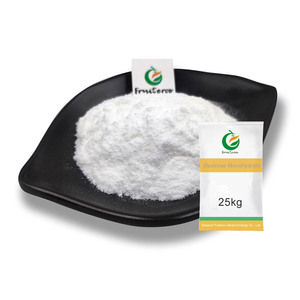
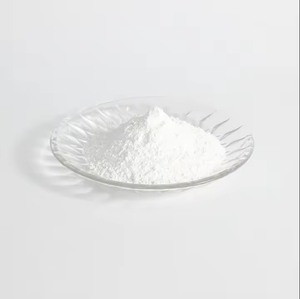
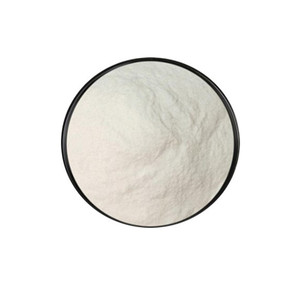
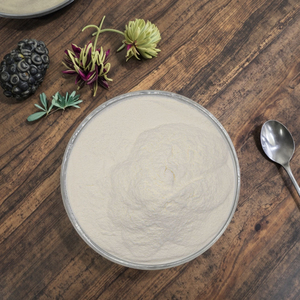
Polydextrose (CAS No. 68424-04-4, INS/E-number E1200) is a highly branched, synthetic soluble dietary fiber produced via the thermal condensation of D-glucose using small amounts of sorbitol as a plasticizer and food-grade citric acid or phosphoric acid as an acid catalyst. The resulting complex polymer features randomly bonded glucose units with all types of glucosidic linkages ($\alpha$- and $\beta$- 1,2, 1,3, 1,4, and 1,6), among which the 1,6-glycosidic linkages predominate.
Due to this highly randomized and non-linear chemical architecture, human digestive enzymes (such as $\alpha$-amylase, sucrase, and maltase) in the upper gastrointestinal tract are structurally incapable of hydrolyzing the bonds. Consequently, Polydextrose passes through the stomach and small intestine largely intact (~90% unabsorbed), reaching the colon where it undergoes slow, gradual microflora fermentation. This delivers an officially recognized caloric value of only 1.0 kcal/g (4.18 kJ/g)—a 75% reduction compared to standard sucrose or traditional carbohydrates.
| Physicochemical Parameter | Polydextrose Standard Grade | Polydextrose Type III (Purified) | Formulation Significance |
|---|---|---|---|
| Soluble Dietary Fiber Content | ≥ 90.0% (Dry Basis) | ≥ 90.0% (Dry Basis, Low Monomer) | Ensures high-fiber packaging claims per Codex & Algerian standards. |
| Free Glucose & Monomers | ≤ 4.0% | ≤ 0.2% (Deodorized & Decolorized) | Prevents unwanted Maillard browning and glycemic spikes in clear drinks. |
| Caloric Contribution | 1.0 kcal / gram | 1.0 kcal / gram | Enables significant calorie reduction in keto and diet food matrices. |
| Glycemic Index (GI) | 5 – 7 | 4 – 6 | Safe for diabetic formulations; zero insulinemic shock. |
| Thermal Stability | Stable up to 200°C (392°F) | Stable up to 200°C (392°F) | Withstands extreme thermal processing: HTST, UHT, and industrial baking. |
| pH Range Stability | pH 2.5 to 7.0 | pH 2.5 to 7.0 | Resists acid hydrolysis in low-pH carbonated beverages & fruit yogurts. |
| Average Degree of Polymerization (DP) | DP 12 (Range: 2 - 50) | DP 12 (Polydisperse) | Mimics sucrose viscosity without increasing osmolality or crystallization. |
From a functional standpoint, Polydextrose is not merely a bulking agent; it acts as a true prebiotic fiber. In vitro and clinical human trials demonstrate that daily consumption of 8–15g of Polydextrose selectively stimulates the proliferation of beneficial gut microbiota, specifically Bifidobacteria and Lactobacilli, while increasing the production of Short-Chain Fatty Acids (SCFAs), notably acetate, propionate, and butyrate. Butyrate serves as the primary energy substrate for colonocytes, reinforcing the intestinal epithelial barrier and promoting systemic metabolic health.
As Algeria enforces stricter public health regulations regarding dietary sugar reduction and combats growing obesity rates across urban centers like Algiers, Oran, Constantine, and Blida, local food manufacturers face the challenge of reformulating traditional recipes. Polydextrose serves as an indispensable tool for Algerian R&D food engineers due to its 1:1 replacement properties for sucrose bulk volume and rheological behavior.
In fermented milk products like traditional Lben and Rayeb, as well as modern fruit-layered yogurts, reducing sugar often causes loss of solids and watery mouthfeel. Polydextrose restores solids content (Brix level), controls water activity ($a_w$), and prevents syneresis (whey separation) during transport across warm North African climates without altering the native lactic fermentation profile.
Algeria's massive industrial biscuit and pastry market requires high thermal stability. Polydextrose acts as a humectant and bulking agent in sugar-reduced biscuits and cakes. It controls dough rheology, promotes desirable surface crispness, retains crumb moisture over extended shelf lives, and participates controlledly in color development without rapid charring.
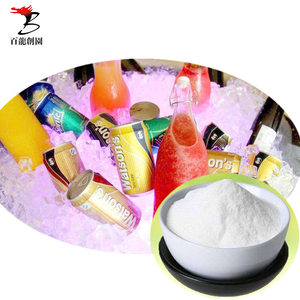
With rising costs of imported sugar and sucrose taxes in North Africa, beverage formulators utilize high-potency sweeteners (Stevia, Sucralose) combined with Polydextrose. Polydextrose replaces the physical mouthfeel, body, and viscosity of lost sugar in reconstituted orange, apricot, and peach nectars without adding undesirable off-flavors or cloudiness.
Polydextrose exhibits excellent glass transition temperatures ($T_g$), making it ideal for hard-boiled candies, chewy gums, and compound chocolate coatings. It depresses the freezing point in frozen desserts and prevents sugar recrystallization in confectionery coatings stored under Algerian summer humidity.
Navigating Algerian customs (Douanes Algériennes) and banking regulations requires zero-error documentation from Chinese exporters. Algerian food import regulations enforced by the Ministry of Commerce and the National Center for Quality Control and Certification (CACQE) mandate strict compliance.
All batches of Polydextrose exported to Algeria must carry verified Halal Certification issued by an internationally recognized Islamic certification body recognized by Algerian authorities (GAC/JAKIM/MUI aligned). Manufacturing lines are certified free from porcine derivatives or alcohol-based processing aids.
Under Algerian Central Bank regulations, international trade transactions rely heavily on Documentaries Credits (Crédit Documentaire / L/C) or Cash Against Documents (Remise Documentaire). We work directly with top-tier Algerian commercial banks (BNA, BEA, CPA, BADR) to ensure seamless L/C acceptance and smooth foreign currency transfers.
Every container shipment dispatched to Algerian ports (Port of Algiers, Port of Oran, Port of Bejaia, Port of Skikda) includes:
• Batch-specific Certificate of Analysis (COA) with heavy metal (< 1 ppm Lead, < 0.2 ppm Arsenic) & microbiological limits.
• Certificate of Origin (Certificat d'Origine) legalized by CCPIT China.
• Phytosanitary / Health Certificate & Non-GMO Statement.
• Free Sale Certificate (Certificat de Libre Vente).
Drawing upon over 13+ years of specialized global food raw material manufacturing and supply chain coordination, our network combines Chinese manufacturing scale with rigorous international QA standards.
Our standard Minimum Order Quantity for direct export shipments to Algeria starts at 1 FCL (20-foot Full Container Load), which holds approximately 15,000 kg to 18,000 kg on palletized packaging, or up to 20,000 kg unpalletized. LCL pilot batches (1,000 kg to 5,000 kg) can also be arranged for new industrial formulation trials.
Polydextrose I is the standard food-grade soluble fiber powder suitable for general bakery and dairy applications. Polydextrose III is a refined, decolorized, and deodorized grade with minimal free glucose and sorbitol content. Polydextrose III is specifically recommended for clear beverage lines, delicate flavor profiles, and sensitive nutraceutical formulations where zero off-color or Maillard browning is required.
Polydextrose powder is hygroscopic in raw form. However, once incorporated into dry mixes or finished food matrices, it exhibits exceptional chemical stability. To protect raw stock prior to manufacturing, our bags are sealed in double-layer moisture-proof PE liners within multi-wall craft paper sacks, ensuring a 24-month stable shelf life when stored in cool, dry conditions.
Yes. We regularly process trade contracts under Algerian Bank L/C (Letter of Credit) terms. We supply pre-shipment Proforma Invoices with exact HS Codes (HS 391390 or HS 170290 based on custom declaration preference), detailed specification sheets, and batch production schedules required by your bank for currency validation.
Yes, we provide 250g to 1kg laboratory-scale samples dispatched via DHL/FedEx directly to your R&D facility in Algeria. Samples come complete with a matching Certificate of Analysis (COA) so your technical team can verify assay, pH, solubility, and sensory characteristics prior to commercial commitment.
Request technical specification sheets, HPLC test reports, Halal certificates, and competitive CIF Port of Algiers / Oran price quotes from our expert team.