
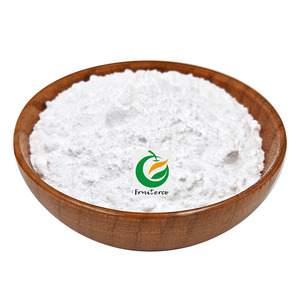
Wholesale Food Additive Corn Fiber Resistant Dextrin Powder
High-purity soluble corn dietary fiber powder (>90% fiber content). Exceptional thermal stability and rapid cold-water dispersion for beverage and dairy applications.
Send an Inquiry


Explore our industrial-grade Resistant Dextrin (CAS 9004-53-9), Non-GMO Soluble Corn Fiber, and custom functional ingredient premixes engineered for Colombian food, beverage, and dietary supplement manufacturers.
High-purity soluble corn dietary fiber powder (>90% fiber content). Exceptional thermal stability and rapid cold-water dispersion for beverage and dairy applications.
Send an Inquiry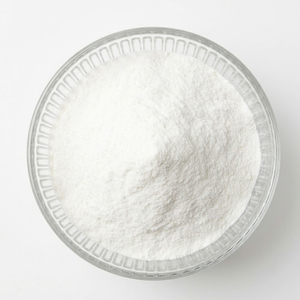
Low Dextrose Equivalent (DE 8–12) white dextrin. Provides body, viscosity control, and humectancy without adding undesirable sweetness or altering flavor profiles.
Send an Inquiry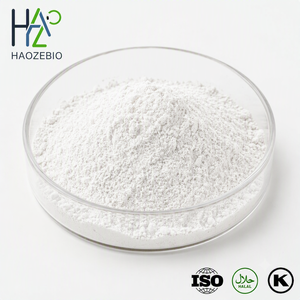
Concentrated indigestible dextrin (70%, 90%, 95% grades). Ideal for calorie reduction, prebiotic health positioning, and glycemic index management in functional snacks.
Send an Inquiry
Custom private-label nutritional stickpack formula combining metabolic B-vitamins with soluble fiber carrier for smooth flowability and clean dissolution.
Send an Inquiry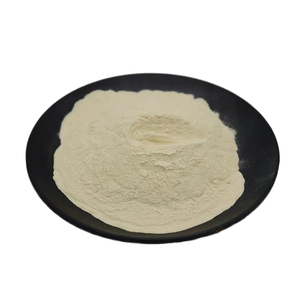
Ultra-pure water-soluble fiber packed in multi-ply 25kg kraft bags. Non-hygroscopic powder designed for commercial-scale automated dry-blending systems.
Send an Inquiry
Ready-to-formulate nutraceutical blend containing B1, B2, B6, B12, and resistant maltodextrin for anti-fatigue and digestive balance positioning.
Send an Inquiry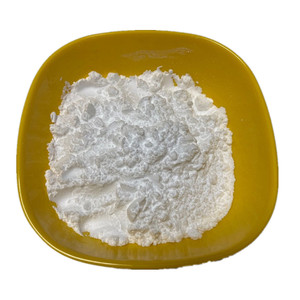
Synergistic bulking ingredient optimized for blending with intense natural sweeteners (Stevia Reb-M, Monk Fruit, Allulose) to rebuild sucrose mouthfeel.
Send an Inquiry
High-solubility energy supplement base engineered for high-speed automated packaging, sachet filling, and sports hydration drinks.
Send an InquiryResistant Dextrin (also designated as Indigestible Dextrin or Soluble Corn Fiber, CAS 9004-53-9) is a short-chain glucose polymer derived from the controlled enzymatic hydrolysis and thermal dextrinization of non-GMO corn starch. During this specialized process, standard α-1,4 glycosidic linkages undergo transglucosidation, converting into digestive-resistant α-1,2 and α-1,3 glycosidic bonds.
Because the human upper gastrointestinal tract lacks the specific enzymatic machinery to cleavage these rearranged bonds, Resistant Dextrin passes virtually intact through the stomach and small intestine. Upon reaching the large intestine, it undergoes gradual fermentation by indigenous microflora (specifically Bifidobacteria and Lactobacilli), producing short-chain fatty acids (SCFAs) such as acetate, propionate, and butyrate.
Unlike conventional plant fibers (such as coarse wheat bran or insoluble cellulose), Resistant Dextrin exhibits complete water solubility (>99% at 20°C), ultra-low viscosity (1.5–2.5 mPa·s at 10% solution), a clear transparent appearance in liquid systems, and high thermal stability up to 160°C. It imparts no off-tastes, visual cloudiness, or gritty mouthfeel, making it the premier bulking fiber for sugar-reduced foods.
To assist Colombian product developers in selecting the optimal dietary fiber for their formulations, the following technical comparison contrasts Resistant Dextrin against other commercial soluble fibers:
| Physicochemical Parameter | Resistant Dextrin (Corn) | Chicory Inulin | Polydextrose | Fructo-Oligosaccharide (FOS) |
|---|---|---|---|---|
| Dietary Fiber Content (%) | 85.0% – 95.0% | 88.0% – 92.0% | 90.0% | 93.0% |
| Caloric Value (kcal/g) | 1.7 – 2.0 kcal/g | 1.5 kcal/g | 1.0 kcal/g | 1.5 – 2.0 kcal/g |
| Digestive Tolerance Threshold | High (>45g/day without distress) | Moderate (10–15g/day) | Moderate (15–20g/day) | Low to Moderate (10g/day) |
| Thermal Stability (up to 160°C) | Excellent (No degradation) | Poor (Hydrolyzes at high heat) | Excellent | Moderate (Degrades under acid + heat) |
| pH Stability Range | pH 2.5 – 10.0 (Ultra-stable) | pH 4.0 – 9.0 | pH 2.5 – 10.0 | pH 4.0 – 8.0 |
| Solution Clarity (10% Conc.) | Crystal Clear (<10 NTU) | Turbid / Opaque | Clear to Slightly Yellow | Clear |
| Viscosity Impact (10% at 25°C) | Very Low (1.5 – 2.5 mPa·s) | High (Gels at higher conc.) | Low to Medium (3.5 mPa·s) | Low |
Colombia’s food and beverage industry is undergoing a structural transformation driven by stringent public health legislation, shifting consumer wellness priorities, and intense competitive pressures across major urban industrial nodes including Bogotá D.C., Medellín (Antioquia), Cali (Valle del Cauca), and Barranquilla (Atlántico).
Colombia’s Ministry of Health (Ministerio de Salud y Protección Social) implemented mandatory Front-of-Package Nutritional Labeling (FOPNL) featuring high-contrast black octagonal warning seals: "EXCESO EN AZÚCARES", "EXCESO EN GRASAS SATURADAS", and "EXCESO EN SODIO". Colombian brands are racing to reformulate recipes. Replacing refined sugars with Resistant Dextrin allows manufacturers to remove the black octagon while simultaneously claiming "Excelente Fuente de Fibra Dietaria" (≥6g fiber per 100g serving under Invima standard).
Under Law 2277 of 2022, Colombia introduced a progressive tax on ultra-processed beverages and food products containing added sugars. Starting at 10% in 2023, the tax escalated to 15% in 2024 and reaches 20% in 2025. Food processing giants (such as Grupo Nutresa, Alpina, Postobón, and Colombina) are aggressively utilizing Resistant Dextrin as a low-cost, non-taxable bulk sugar replacement to protect operating margins.
Socioeconomic trends in major metropolitan areas show expanding consumer expenditure on functional nutrition. Urban consumers actively seek low-glycemic index (Low-GI) bakery goods, keto-friendly energy bars, and prebiotic digestive health drinks. Resistant Dextrin provides a non-digestible fiber matrix that dampens postprandial blood glucose spikes.
In traditional Colombian caramel spread (Arequipe / Dulce de Leche) and sweetened yogurt formulations, sucrose reduction often destroys viscosity, body, and solids content. Resistant Dextrin acts as a direct 1:1 total solids builder. It withstands prolonged high-temperature boiling without browning prematurely or crystallizing, preserving smooth spreadability while cutting sugar content by 30% to 50%.
Colombian fruit beverage manufacturers facing sugar taxes rely on Resistant Dextrin's exceptional aqueous solubility (>99%) and crystal-clear transparency. It stabilizes cloudiness in passionfruit (maracuyá) and lulo fruit nectars while preventing sedimentation. Because it exhibits neutral taste and low viscosity (<2.0 mPa·s), beverages maintain a refreshing, non-gummy mouthfeel.
Industrial bakeries and corn-flour (Harina de Maíz) processors in Antioquia and Valle del Cauca utilize Resistant Dextrin for moisture retention and crispness control. Due to its resistance to high baking temperatures (up to 160°C–200°C), it does not break down into simple sugars during baking. It increases dough yield, extends shelf life, and provides certified fiber claims on pre-packaged corn tortillas and baked goods.
As a carrier in instantized vitamin stickpacks and sports rehydration powders, Resistant Dextrin provides superior anti-caking properties compared to traditional maltodextrin. It flows freely through automated packaging machinery, dissolves instantly in ambient water without clumping, and acts as a mild binder in compressed nutraceutical tablets.
As a leading US and China-integrated ingredient enterprise, our manufacturing base combines state-of-the-art enzymatic processing technology with rigorous international quality systems. Sourcing directly from our audited production facility delivers measurable competitive advantages to Colombian importers:
Elevate your food, beverage, or dietary supplement portfolio in Colombia. Reduce sugar tax liabilities, eliminate front-of-package warning octagons, and deliver clean-label fiber nutrition with factory-direct pricing and full Invima compliance support.